Table of Contents (click to expand)
The lymphatic system is a network of lymphatic vessels, lymph nodes and lymph glands. Lymph nodes or lymph glands are small glandular structures located along the lymph vessels in the regions of the elbow, axilla, knee and groin. You can think of the lymphatic system as a purification center or the garbage disposal system of our body.
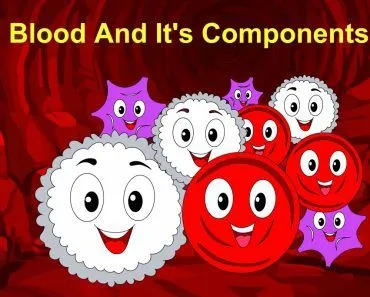
You surely know about the circulatory system in our body, and we have spoken extensively about blood and its components in another article, but did you know that there are actually two circulatory systems in our bodies? The first one is generally considered more important—our blood vascular system—but the other one is the lymphatic system. The vascular system is essential for the sustenance of life, but even though the lymphatic system is often given second-class status, it is also extremely crucial for our survival and health!
Recommended Video for you:
How Is The Lymphatic System Different From The Blood Vascular System?
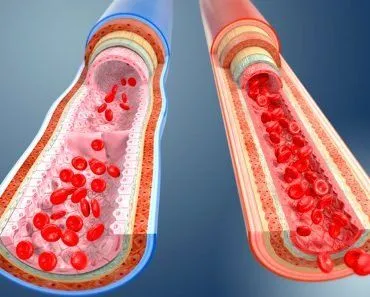
Although the lymphatic system and the blood vascular system share a lot in terms of structure, function and anatomy, they each play very distinct roles in our bodies. While the blood circulatory system transports blood, nutrition and oxygen to tissues, the lymphatic system transports lymph—an interstitial fluid rich in proteins, lipids and immune cells. The blood system is generally a “closed” circulatory system, with the starting and ending point of this transport channel being the heart, i.e., blood is pumped out of the heart through the arteries, arterioles, capillaries, venules and veins, and ultimately returns to the heart. On the other hand, the lymphatic system is more of a blunt-ended “linear” system, in which lymph is transported from the interstitial tissue spaces to the lymphatic capillaries, and then on to thicker lymphatic vessels embedded with lymph nodes; the lymph is eventually returned to blood circulation via the thoracic or lymphatic duct.
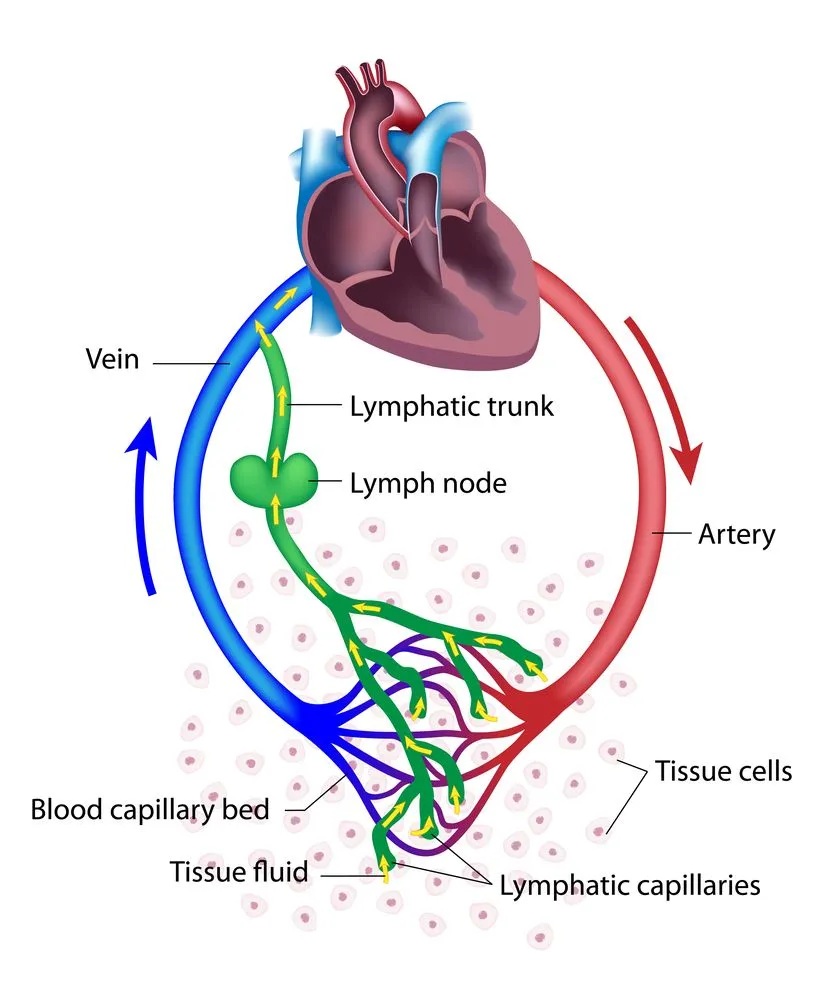
There are a number of other differences between the two systems that will become apparent as we dig deeper into the lymphatic system.
Lymphatic System Overview
The lymphatic system is a one-way network of lymphatic vessels, lymph nodes and lymph. You can think of the lymphatic system as a purification center or the garbage disposal system of our body! The lymph nodes in the lymphatic system act as spot purification centers where the fluid (in this case, “lymph”) that passes through them is filtered and made toxin-, bacteria- and virus-free. However, before we can talk about its filtration capabilities, where does this lymph come from in the first place?
Formation and function of lymph
Getting back to the basics, the lymphatic system runs parallel to the blood system. The blood system transports oxygen and nutrition to tissues; however, at the capillary level, there simultaneously happens to be a net leakage of fluid outward to the interstitial spaces between tissues. This leakage of fluid takes place because the walls of blood capillaries are leaky, which allows permeation of the aqueous component of blood, along with some proteins. This leakage also serves an important function of hydration and nutrition for the interstitial tissues. Now, this fluid that has leaked out needs to be returned to blood circulation in order to maintain fluid balance in our body, which is where the lymphatic nodes and vessels come into play. Lymph consists of 96% water and 4% solids; these solids include organic substances like proteins, lipids, carbohydrates, amino acids, urea and creatinine, as well as inorganic substances and cellular contents like lymphocytes, monocytes, macrophages, and plasma cells. Some of the important functions of lymph include:
- Redistribution of fluid in the body.
- Return of proteins from interstitial tissue to the blood.
- Transport of lymphocytes, which contributes to overall immunity.
- Help in the elimination of bacteria and toxins by passing through lymph nodes where filtration occurs.
- Absorption of fats and fat-soluble vitamins from the digestive tract. Specialized lymphatic capillaries called lacteals in the small intestine absorb dietary fats, forming a milky fluid called chyle.
Lymphatic vessels
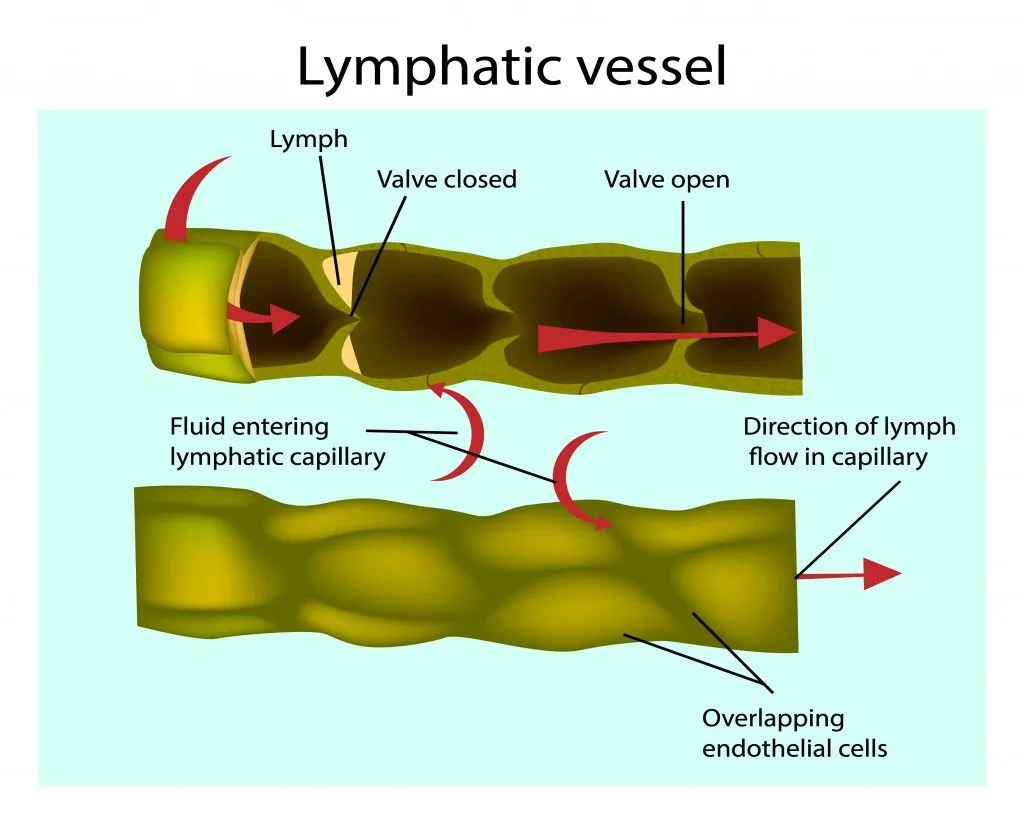
A crucial part of the lymphatic system are the vessels that actually do the job of transporting the fluid in question–lymph! Lymph is first collected by the lymph capillaries, which contain valves that help in maintaining a unidirectional flow of lymph. The lymph capillaries are lined by endothelial cells and are slightly more porous and permeable than blood capillaries. These capillaries unite to form larger lymph vessels, which ultimately form the right lymphatic duct and thoracic duct. The thoracic duct drains lymph from roughly three-quarters of the body and opens into the left subclavian vein, while the right lymphatic duct drains the right upper body into the right subclavian vein. Unlike the blood circulatory system, the lymphatic system has no central pump. Lymph is propelled through the vessels by skeletal muscle contractions, breathing movements, and smooth muscle contractions in the walls of larger lymphatic vessels. One-way valves prevent backflow. Lymphatic vessels are present in almost all regions of the body, barring a few places like the cornea, bones, lung alveoli and superficial layers of the skin. (The brain was long thought to lack lymphatic drainage entirely, but in 2015 researchers discovered meningeal lymphatic vessels lining the brain's outer membrane, overturning decades of conventional wisdom.)
Lymph nodes
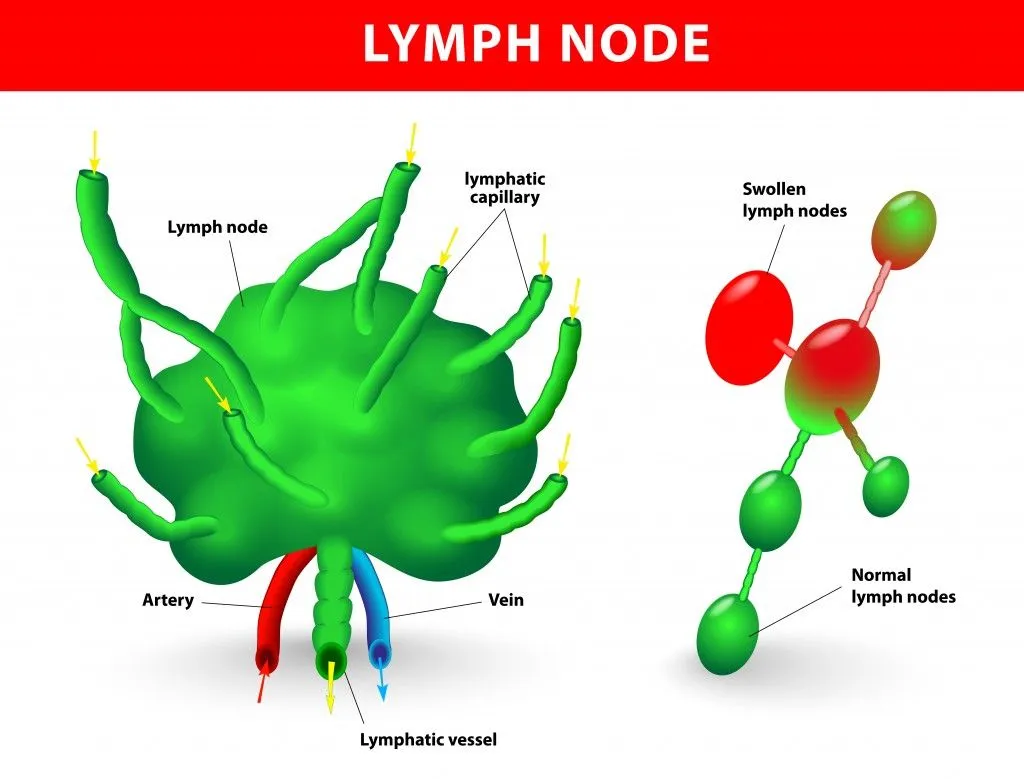
Lymph nodes or lymph glands are small glandular structures located along the lymph vessels in the regions of the elbow, axilla, knee and groin. Lymph nodes are also commonly found in certain regions of the abdomen, thorax and neck. Structurally, lymph nodes are made of lymphatic tissue and are covered by a dense connective tissue capsule. Each lymph node consists of a cortex, paracortex and medulla.
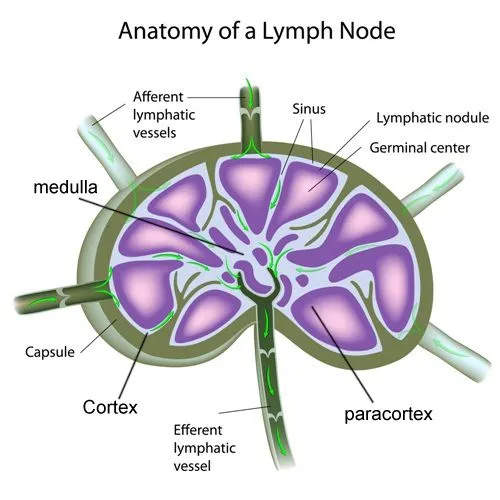
The cortex of lymph nodes consists of primary and secondary lymphoid follicles, along with macrophages and B lymphocytes. The paracortex is the region of lymph nodes lying between the cortex and medulla and contains T lymphocytes. The medulla is at the core of the lymph nodes and consists of B and T lymphocytes, as well as macrophages. Lymph enters the lymph nodes via afferent lymphatic vessels and leaves the lymph nodes via efferent lymphatic vessels. While lymph is circulating through the lymph nodes, the following functions are carried out by the lymph nodes:
- Filtration of lymph, causing the removal of water and electrolytes, while retaining proteins and lipids in the lymph.
- Destruction and elimination of bacteria and toxins, carried out by the macrophages in lymph nodes. Lymph nodes act as defense barriers and help in strengthening our immunity.
- Lymph nodes are also indicators of infection in our bodies. When our body is fighting an infection, the lymph nodes go into overdrive; this increase in activity of the lymph nodes causes them to swell. This swelling usually occurs in lymph nodes located near the area of infection; once the infection subsides, the swollen lymph nodes go back to their original size in a week or two.
Other Key Lymphatic Organs
Beyond the lymph nodes, several major organs form part of the lymphatic system:
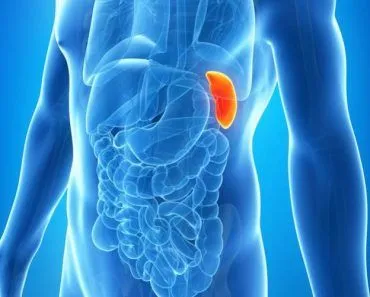
- Spleen: The largest lymphatic organ, located under the left ribs. The spleen filters blood (rather than lymph), removing old or damaged red blood cells and storing platelets and white blood cells.
- Thymus: Located in the upper chest behind the breastbone, the thymus is where T-cells mature and become capable of fighting infections. It is most active before puberty and gradually shrinks with age.
- Tonsils: Clusters of lymphatic tissue in the throat that trap germs entering through the mouth and nose, forming a first line of defense.
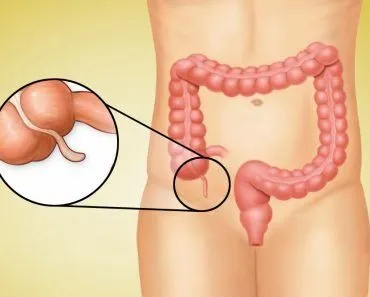
- Mucosa-associated lymphoid tissue (MALT): Found lining the tonsils, airways, small intestine and appendix, MALT monitors incoming material for potential threats.
Conclusion
Although the lymphatic system has not always been given its due, recent times have seen a paradigm shift in our understanding of it. The 2015 discovery of meningeal lymphatic vessels in the brain, and the ongoing research into the brain's glymphatic waste-clearance system, have shown that the lymphatic system's reach is even greater than previously thought. From maintaining fluid balance and absorbing dietary fats to powering immune defenses and clearing waste from the brain, a disrupted lymphatic system can lead to painful lymphedema, impaired immunity or even contribute to neurodegenerative disease. It is certainly not a system we should ever take for granted!
References (click to expand)
- Sembulingam K.,& Sembulingam P. (2012). Essentials of Medical Physiology. JP Medical Ltd
- Choi, I., Lee, S., & Hong, Y.-K. (2012, January 25). The New Era of the Lymphatic System: No Longer Secondary to the Blood Vascular System. Cold Spring Harbor Perspectives in Medicine. Cold Spring Harbor Laboratory.
- Anatomy, Lymphatic System - StatPearls.
- Moore, J. E., Jr., & Bertram, C. D. (2018, January 5). Lymphatic System Flows. Annual Review of Fluid Mechanics. Annual Reviews.