Table of Contents (click to expand)
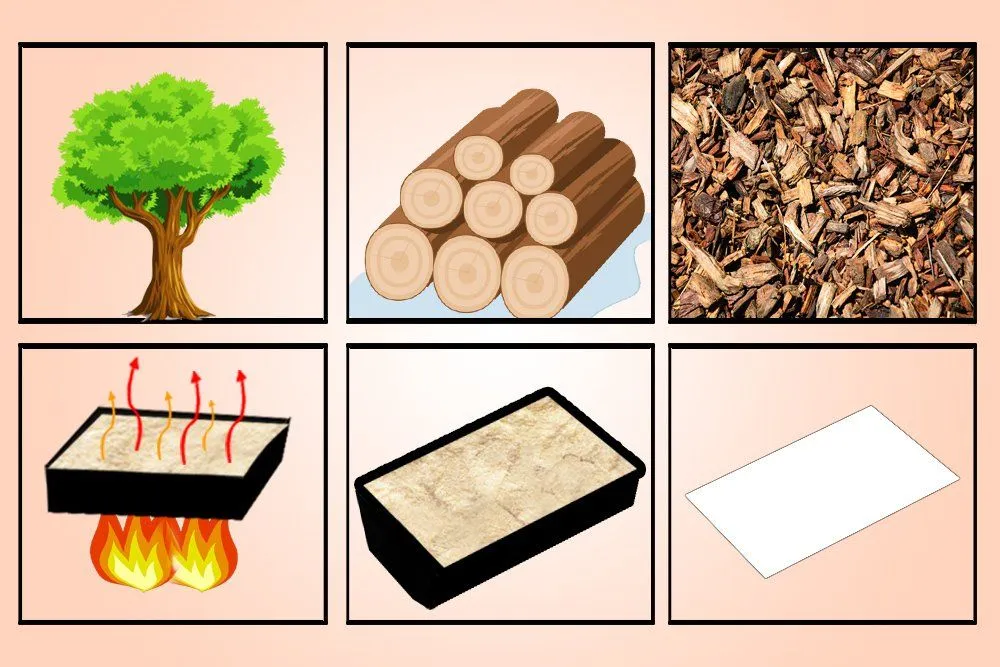
Paper is made from trees. The bark is peeled off the logs and the wood is diced into small chips. The chips are then cooked in an alkaline chemical solution (the kraft process) to dissolve lignin and separate cellulose fibers, forming a pulp. The pulp is then washed and bleached with chemicals like chlorine dioxide or hydrogen peroxide to remove residual lignin and brighten it. The pulp is then passed through a series of blades to flatten the fibers and eliminate inconsistencies. Finally, the paper is dried by pressing it through narrow gaps between rotating rollers and felt belts.
Paper is one of mankind’s most revolutionary inventions. The invention of paper finally put an end to the cumbersome task of carving on wood or stone. In fact, the scope of information mankind could now limn was so enlarged that paper wasn’t merely used to catalogue the details of trade, but of daily events, to express feelings, wisdom, to write poems, to write stories we tell ourselves to transcend or escape the mundanity of life or stories that nature whispers to the ones who are keen to listen.
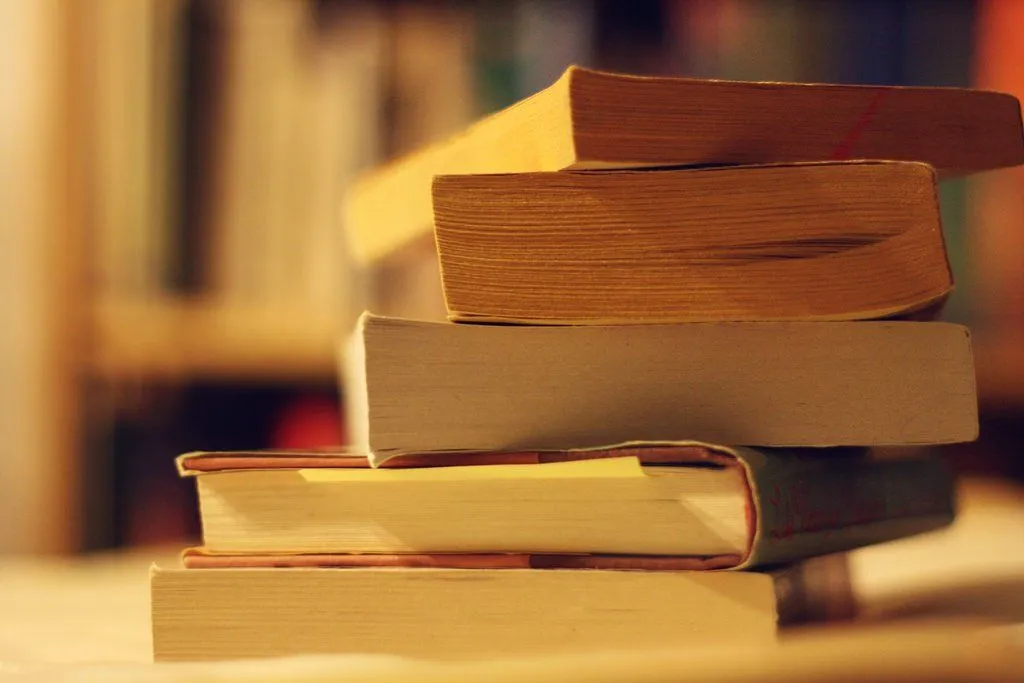
The invention of paper is traditionally credited to Cai Lun, a Chinese court official, around 105 AD, although archaeological evidence suggests that crude forms of paper existed in China as early as the 2nd century BC. From China, papermaking knowledge spread through the Islamic world and eventually reached Europe by the 11th century. But how did the Chinese first create it?
Recommended Video for you:
Trees
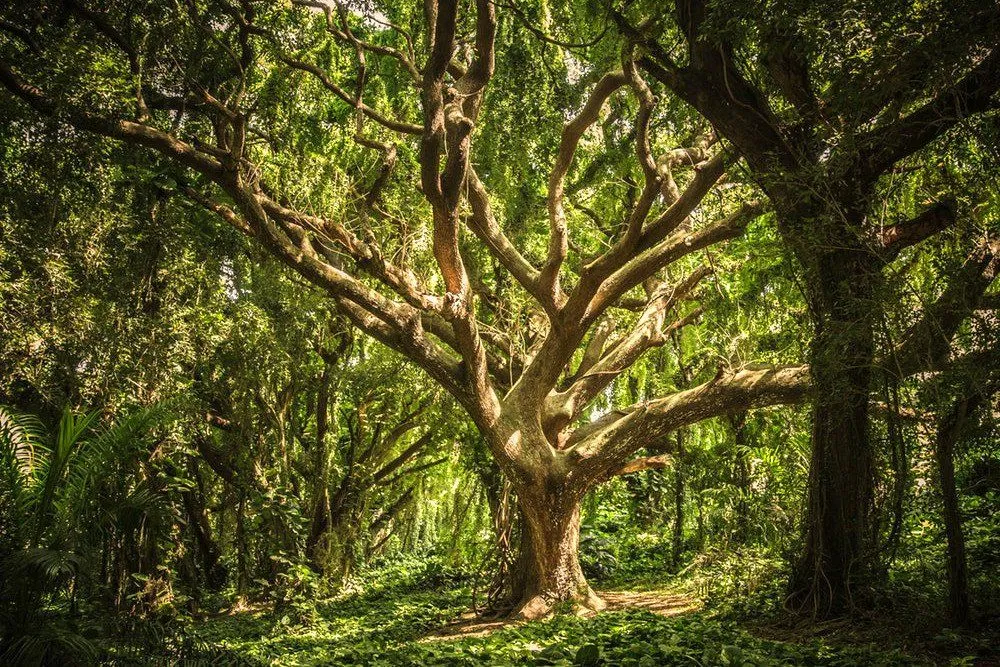
Surely, everyone is aware that paper is made from trees, but you’d be surprised to know that it is not made from their thin and soft leaves but rather their hard and rugged logs! A logical question, of course, is how does a rigid, inflexible log bear something as flexible and foldable as paper?
What the Chinese first did was soak plant fibers — from materials like mulberry bark, hemp, and old rags — in water. These fibers were then pounded with a wooden tool until they broke down into a soft pulp. The pulp was mixed with water and poured onto a flat, woven screen, allowing the water to drain through while leaving a thin mat of interlocked fibers behind. This mat was then pressed and left to dry. What materialized was a thin, rectangular sheet of paper.
However, the paper obtained, due to the primitivity of the prevalent technology, was coarse and crude. What’s more, the paper would eventually turn yellow due to the presence of lignin, an organic polymer that comprises the intricate structures of plant tissues. As technology flourished, we figured that we could produce papers of a more refined quality. However, these papers would not only be smooth and velvety, but also wouldn’t be blemished yellow with age.
The Paper Mill
The way we make paper today is not very different from how the Chinese did it centuries ago. What differs is the modern technology, which makes the process exponentially more efficient. It also allowed us to meticulously refine or regularize the inconsistencies in the dried, flattened pulp. We also identified certain chemicals that, when dribbled into the cauldron, would alter the paper’s texture in accordance with our desires.
Today, the logs are first fed into a drum-shaped machine called a ‘debarker’ that, as the name suggests, separates the bark from the logs. The wood is then diced into small chips and cooked in a hot alkaline solution of sodium hydroxide and sodium sulfide — a method known as the kraft process — to dissolve the lignin and separate the desirable cellulose fibers. This is by far the most common chemical pulping method, accounting for about 90% of global pulp production. The resulting pulp is then described as wood-free because it consists primarily of cellulose fibers. This pulp is washed and then bleached using chemicals such as chlorine dioxide (in elemental chlorine-free, or ECF, processes) or hydrogen peroxide and oxygen (in totally chlorine-free, or TCF, processes) to remove residual lignin and brighten the fibers. This bleaching process gives the pulp the white color that is characteristic of paper.
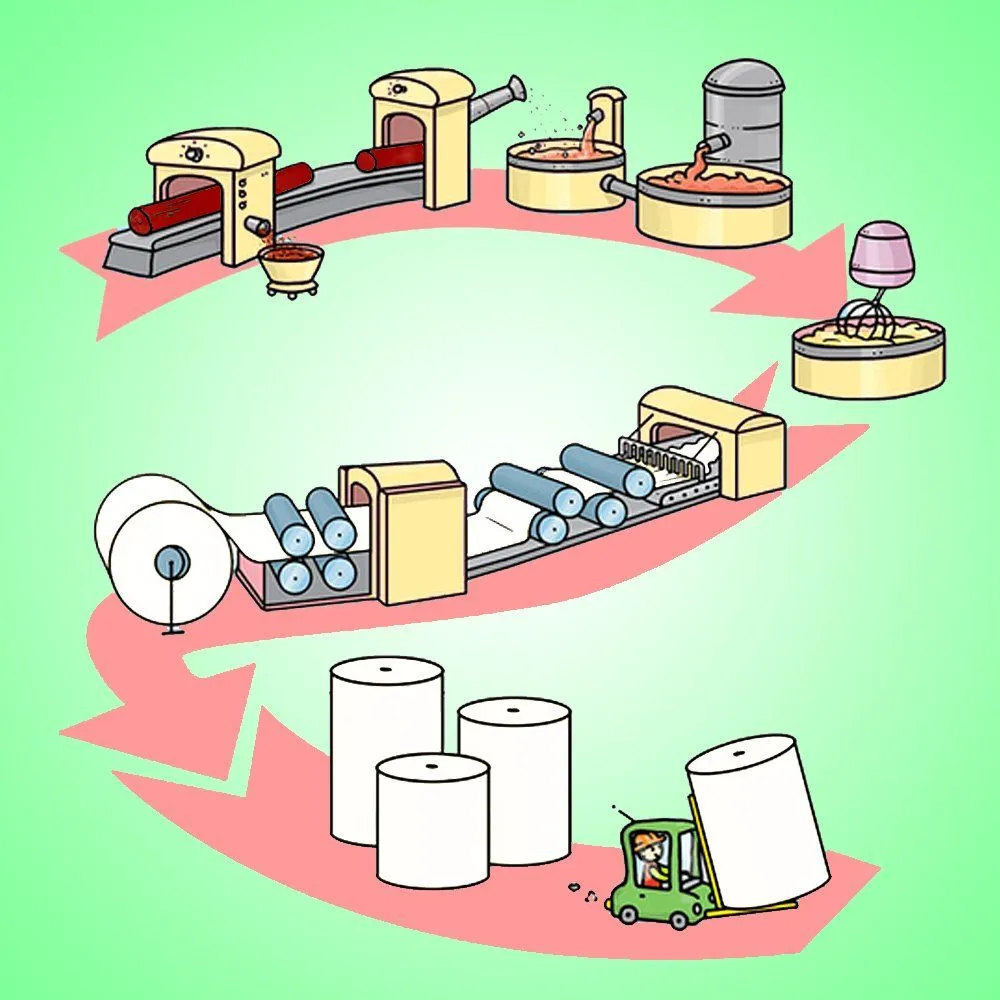
Apart from the wood itself, water is the most important ingredient of the process. At least 100L of water is required to make 1kg of paper. However, engineers have devised clever ways to ensure that very little water is wasted. Almost 90% of the water is recycled by soaking or recirculating it on a mesh of pipes throughout the long process. In fact, a majority of the wood chips used are actually the waste products of sawmills! Most modern mills use elemental chlorine-free (ECF) bleaching with chlorine dioxide, or totally chlorine-free (TCF) bleaching with oxygen and hydrogen peroxide, significantly reducing the environmental impact compared to older chlorine-based methods.
Next, the pulp is passed through a series of adroitly placed blades to flatten the fibers, which were entangled like earphones in your pocket. Other than eradicating inconsistencies, this process also gives the fibers fibrillated ends, which facilitate fiber bonding with adjacent fibers, making the paper much stronger. Manufacturers also add calcium carbonate to the pulp to enhance its density and opaqueness, as well as starch or dyes to color it based on the buyer’s requirement, and optical brighteners to further improve the paper’s appearance.
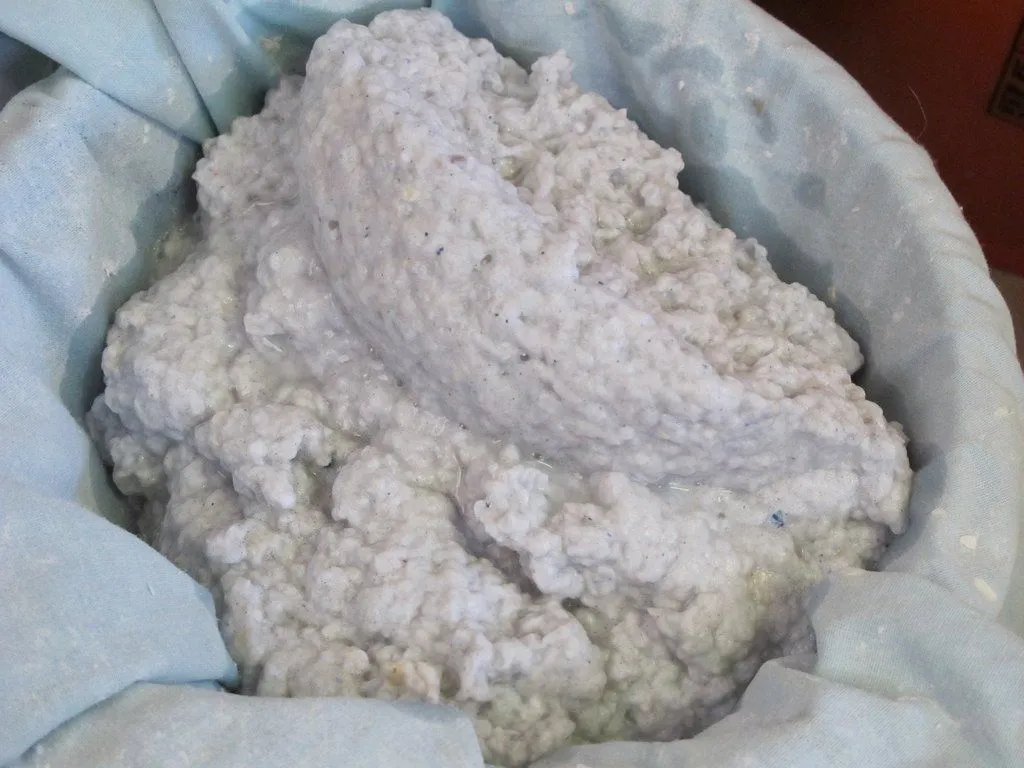
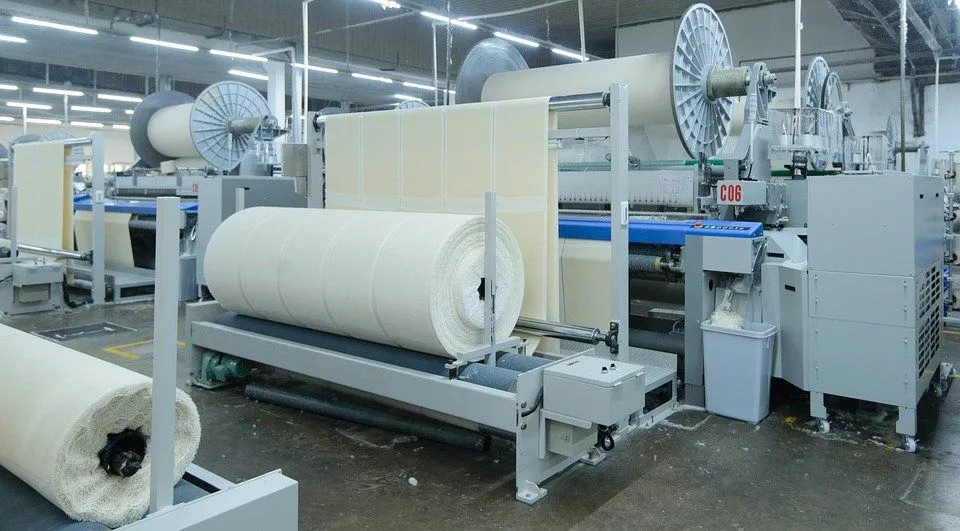
The pulp is now ready to dry. To eliminate the water, the pulp is fed into the paper machine, the heart of a paper mill. The paper machine is a conglomeration of different, smaller machines that simultaneously perform a variety of chores. Essentially, the diluted pulp is first spread onto a moving wire mesh screen, where much of the water drains away by gravity and suction. The wet sheet then passes through press rollers covered with absorbent felt, which squeeze out more water. Finally, the paper is passed over a series of steam-heated cylinders (called dryer cans) that evaporate the remaining moisture, producing a finished sheet of paper.
The paper is then meticulously reviewed by experts who might send it for further refining to eliminate any inconsistencies that might have been spared in the previous processes. Modern paper machines can produce sheets up to 8 meters wide, and the jumbo rolls they produce can weigh several tons each. That is a lot of paper. Finally, the paper is divided into smaller lengths, which are loaded in cardboard boxes to be sold in the market.
The pulp is also treated with different chemicals to create different kinds of paper, such as the craggy paper on which the content of a novel is printed, the smooth paper that forms its cover, tissue papers, and let’s not forget the most valued paper with which we buy every other paper: money! So, try not to take this most ubiquitous of materials for granted and appreciate the prudence and stringent labor that goes into making it.