Virgin birth is the layman’s term for parthenogenesis. It is a process in which a female can develop an embryo without the help of sperm. Scientists have found parthenogenesis in reptiles, amphibians, fish and birds, but not in humans.
Generally, when we speak of procreation, we first think of sexual reproduction. This is obvious, as it is the most common form of reproduction in animals and plants. On the flip side, there is asexual reproduction, like in bacteria. They undergo division to form daughter cells through binary fission.
However, there is another method of reproduction—a “Virgin Birth.” The most well-known account of a “virgin birth” in humans is the birth of Jesus Christ, though similar narratives appear in many ancient mythologies.
Scientists have observed cases of female animals from various species reproducing without mating—and the list keeps growing, with new vertebrate examples documented as recently as 2025.
Recommended Video for you:
Parthenogenesis: What Is A “Virgin Birth”?
A virgin birth is the layman’s term for parthenogenesis. It is a process in which a female can develop an embryo without the help of sperm. Several species of insects, plants, birds, and fishes can reproduce via parthenogenesis. The individual resulting from an unfertilized egg is known as parthenogenone or parthenogen.
Is Parthenogenesis Asexual Reproduction?
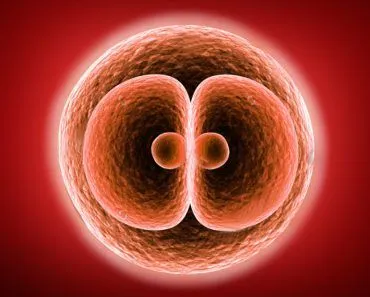
Parthenogenesis is a distinct form of asexual reproduction. In asexual reproduction, cell division of non-sex cells (or, in scientific language, mitosis of the somatic cells) of the parent produces a new individual. On the other hand, parthenogenesis requires the formation of egg cells. In a way, it is an incomplete form of sexual reproduction.
Parthenogenesis Vs. Hermaphroditism
Hermaphroditism can sometimes be confused with parthenogenesis. Hermaphrodites are organisms that have both male and female sex organs. Some hermaphrodites are capable of self-fertilization. However, contrary to parthenogenesis, self-fertilization occurs due to the fusion of male and female gametes.
How Does Parthenogenesis Work?
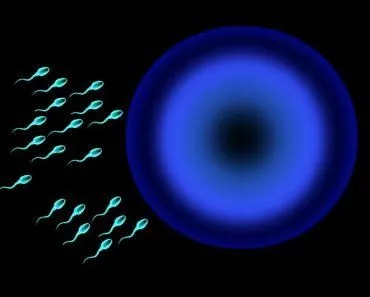
Coming back to the basics of reproduction, there are two main ingredients required to produce offspring by sexual reproduction: a sperm and an egg cell. The egg and the sperm are haploid, containing half the genetic information needed to create a new individual.
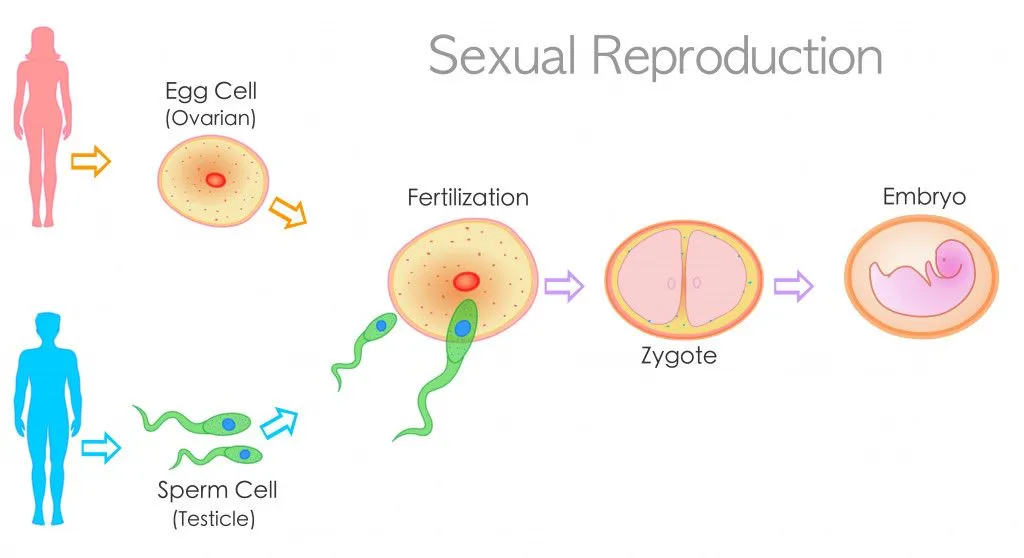
The ovaries produce egg cells through a form of meiosis called oogenesis to form four daughter cells. One of them is a mature, haploid egg cell (ovum). The remaining three smaller cells are polar bodies. The sperm fertilizes the ovum to form an embryo. However, in the case of parthenogenesis, the body comes up with new ways to replace the genes provided by the sperm.
Pathways Of Parthenogenesis
There are two ways in which parthenogenesis can occur: Apomictic and Automictic parthenogenesis.
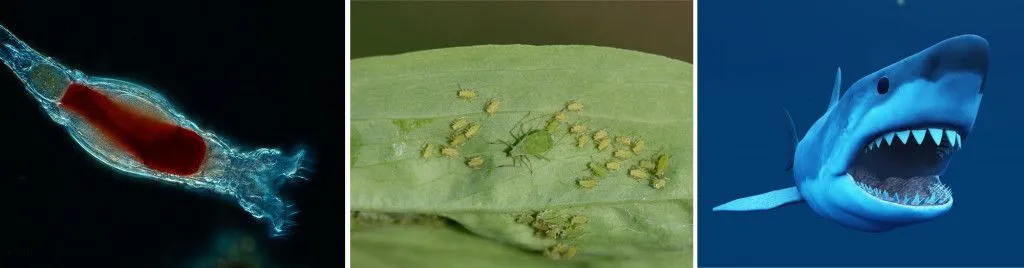
In apomictic parthenogenesis (apomixes), the unfertilized egg produces offspring via mitotic cell division. The offspring produced by apomixes is genetically identical to the parent, almost like a clone. It is commonly seen in invertebrates like rotifers and major groups of arthropods.
In automictic parthenogenesis (automixis), the egg fuses with the polar bodies to restore its diploidy, meaning that the cell returns to having two sets of chromosomes. In this process, the offspring is a “half-clone,” as they are similar, but not exact clones of the mother. This is commonly found in plants and sharks.
Types Of Parthenogens
A parthenogenetic species will either be an obligate or facultative parthenogen. In obligate parthenogenesis, individuals reproduce only asexually. This is rare among vertebrates—the brahminy blindsnake is the only snake species known to be obligately parthenogenetic, while around 50 lizard species (including whiptails of the genus Aspidoscelis and Caucasian rock lizards of the genus Darevskia) reproduce exclusively this way. When a female can reproduce either sexually or via parthenogenesis, it is known as facultative parthenogenesis—the form most often observed in pythons, Komodo dragons, sharks, and birds.
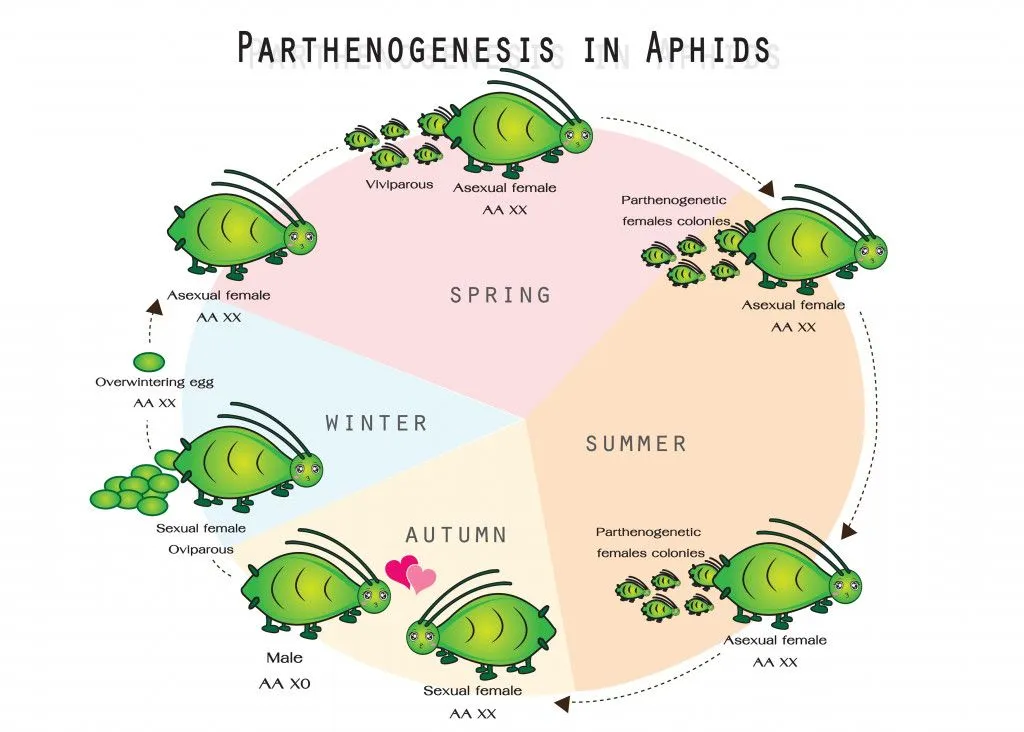
Organisms like aphids or trematodes can alternatively reproduce by parthenogenesis, followed by sexual reproduction. Such species display cyclic parthenogenesis.
Why Do Some Animals Undergo Parthenogenesis?
The reason why some animals display parthenogenesis isn’t necessarily the absence of a male. A 2021 study from the San Diego Zoo Wildlife Alliance discovered parthenogenesis in two California condors, even though both females had access to fertile males of their species.
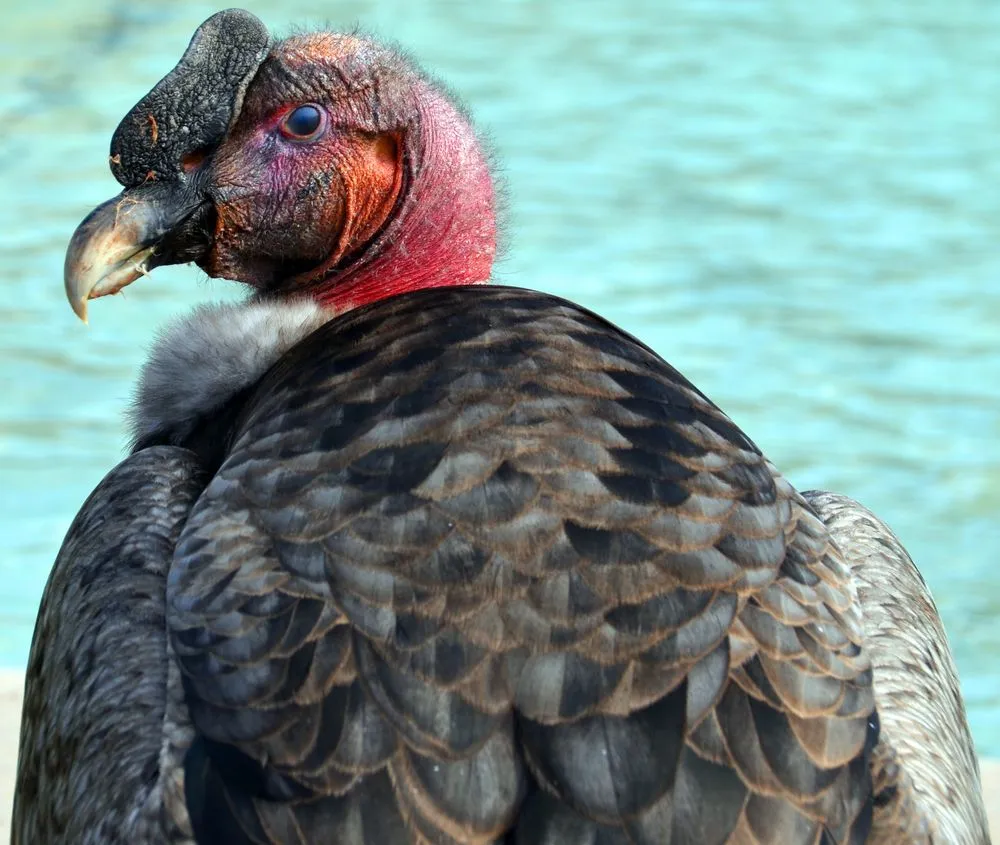
Parthenogenesis is a pretty rare event in birds. It is mostly observed in domesticated turkeys and chickens separated from males. However, in this case, the condor females had access to fertile male condors, yet they displayed parthenogenetic reproduction. The scientists found two female Californian condors that gave birth to offspring with no male genetic DNA. All genetic markers were inherited only from the mother.
On the contrary, a captive yellow-bellied water snake gave birth to offspring despite having no contact with a male of the same species in eight years. Her body might have decided to take matters into its own “hands” and reproduce by parthenogenesis.
Although the snake’s baby didn’t survive, this occurrence disproved the existing theory of such birth during captivity. The theory had been that female animals could reproduce by parthenogenesis, despite being away from males, due to their ability to store sperm. However, in this case, the water snake was isolated for far too long to be able to store sperm.
There are several cases of such behavior in captive animals. Two separate instances of crocodile and a round stingray were found pregnant even though neither animal had shared their respective enclosures with a male from their species for several years.
The catalog of vertebrate “virgin births” has continued to expand. A 2024 study in Scientific Reports documented the first case of recurrent parthenogenesis in the endangered common smooth-hound shark (Mustelus mustelus), with two captive females alternating producing pups year after year. In 2025, a casque-headed iguana at a UK wildlife park gave birth to eight offspring with no male contact, and a baby swell shark named Yoko hatched in a Louisiana aquarium where the only adults were two females housed together for over three years. Researchers have also described Dysdera parthenogenetica, a newly identified spider that reproduces entirely through thelytokous parthenogenesis.
Is Parthenogenesis Possible In Humans?

Most mammalian embryos created by artificial parthenogenesis have died during the gestation period. An experiment on mice suggests that paternal contribution is crucial for an egg to develop into an embryo in mammalian species.
Both sperm and egg cells have a unique set of genetic imprints—a phenomenon called genomic imprinting. Through chemical tags placed during sperm or egg formation, certain genes are switched on only when inherited from the father, and others only when inherited from the mother. More than 200 imprinted genes have been catalogued in humans, and many of them are essential for embryonic and placental development. Because a parthenogenetic embryo would carry only maternal copies, paternally-expressed imprinted genes would be silent and the pregnancy would fail. This imprinting barrier is the main reason parthenogenesis does not occur naturally in mammals.
The barrier is not absolute, however. In a landmark 2022 paper in PNAS, Chinese researchers used targeted DNA-methylation editing to rewrite seven imprinting control regions in unfertilized mouse eggs and produced live, fertile parthenogenetic mice—the first viable offspring derived from a single unfertilized mammalian oocyte. The work is far from a roadmap for human virgin birth, but it shows that imprinting is a chemical lock rather than a permanent one.
Even if parthenogenesis were possible in humans, conceiving a son is impossible. Females have XX sex chromosomes. The mother cannot transmit the Y chromosome essential to form a male offspring because she does not have a Y chromosome. It would be daughters all the way down.
Conclusion
In cases where a species experiences a rapid population decline or has been isolated from fertile males, parthenogenesis is the last hope for the species’ survival.
Scientists are still not sure how the “virgin birth” phenomenon originated or how many species can display such natural “miracles.” There is still a lot to be discovered about parthenogenesis, but there are plenty of great minds on the case!
References (click to expand)
- Mittwoch, U. (1978, June 1). Parthenogenesis. Journal of Medical Genetics. BMJ.
- SIMON, J.-C., DELMOTTE, F., RISPE, C., & CREASE, T. (2003, May 7). Phylogenetic relationships between parthenogens and their sexual relatives: the possible routes to parthenogenesis in animals. Biological Journal of the Linnean Society. Oxford University Press (OUP).
- van der Kooi, C. J., & Schwander, T. (2015, August). Parthenogenesis: Birth of a New Lineage or Reproductive Accident?. Current Biology. Elsevier BV.
- Search La Trobe - www.latrobe.edu.au
- VIRGIN BIRTH TICKS: Is that really a thing? – TickEncounter.
- In Nature, Virgin Births Are Pretty Common | Smart News.