Table of Contents (click to expand)
Parthenogenesis (literally “virgin birth”) is a form of asexual reproduction in which a female produces offspring from an unfertilized egg, with no genetic contribution from a male. The resulting young are typically clones — or near-clones — of the mother. More than 80 vertebrate species, mostly fish and reptiles plus some amphibians, are known to reproduce parthenogenetically, including Komodo dragons, copperhead snakes, zebra sharks, desert grassland whiptail lizards, and (as of 2023) the American crocodile.
Growing up, we probably all had that conversation about the “birds and the bees” with our parents or teachers. While much of it may not have made sense at the time, our Biology classes in school likely cleared things up.
While human reproduction is straightforward, animal births are a lot more complex (and intriguing!). Most wild animals need to mate to produce offspring, but there are a handful of species that do not mate and yet still produce new generations. This phenomenon is called ‘virgin births’ or ‘parthenogenesis’.
Recommended Video for you:
Sexual Vs Asexual Reproduction
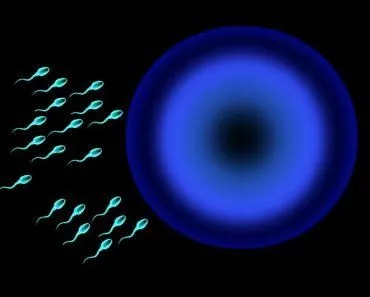
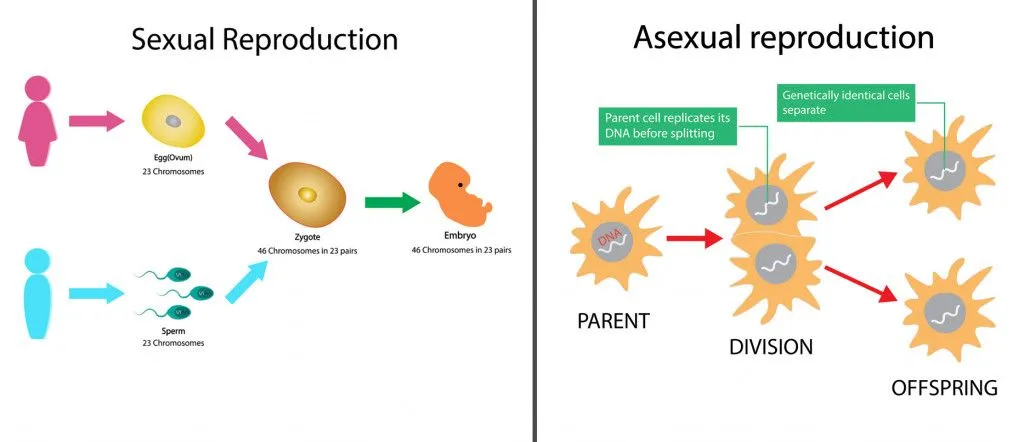
Animals reproduce either through sexual reproduction or asexual reproduction. In sexual reproduction, males and females mate to produce genetically unique offspring. Here, both the egg and sperm are necessary, as they the carry genetic information that is required to produce offspring.
Asexual reproduction, on the other hand, does not require the fusion of gametes to produce new individuals. Here, offspring are produced from a single parent’s ovum. Unlike sexual reproduction, where offspring are genetically diverse, offspring produced via asexual reproduction are identical to their parents (also called clones).
What Is Parthenogenesis?
Parthenogenesis is a type of asexual reproduction. Parthenogenetic organisms supplement genes provided by the sperm in sexual reproduction. New individuals develop from an unfertilized egg and are genetically identical to their parent.
Species that are parthenogenic may either be facultative, meaning that organisms can switch between sexual reproduction and parthenogenesis, or obligate, meaning that the organism is incapable of sexual reproduction.
Parthenogenetic Animals: Animals That Can Reproduce Asexually
There are over 80 known species of fish, reptiles and amphibians that reproduce parthenogenetically. These species rely on facultative parthenogenesis only under dire circumstances, including when females are isolated from males.
Here are a few examples of parthenogenetic species from different taxa.
Komodo Dragons
Let’s be honest… who would have ever thought the world’s largest lizard, the Komodo dragon (Varanus komodoensis), could reproduce via parthenogenesis? But yes, it’s true! In 2006, a female Komodo dragon named Flora, housed at Chester Zoo, U.K., laid 11 eggs, even though she had never mated or been in the presence of a male dragon — and seven of those eggs hatched into healthy male offspring.
Similarly, at London Zoo, another female named Sungai produced a clutch from which four offspring hatched roughly two-and-a-half years after her last contact with a male. She later went on to reproduce sexually after mating with a male dragon, which revealed that the species uses facultative parthenogenesis — switching to it only when needed.
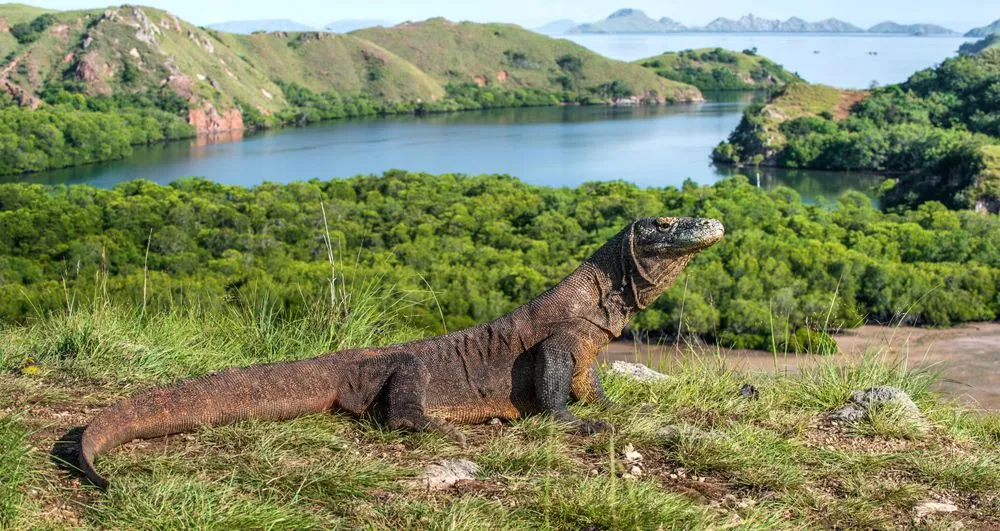
Komodo dragons are only found in some parts of the world, and they are under severe threat from poaching. As a result, their populations are often skewed—with fewer males and more females (or vice versa). Here, it is likely that female dragons were forced to adopt facultative parthenogenesis due to the lack of male dragons in captivity.
Stick Insects
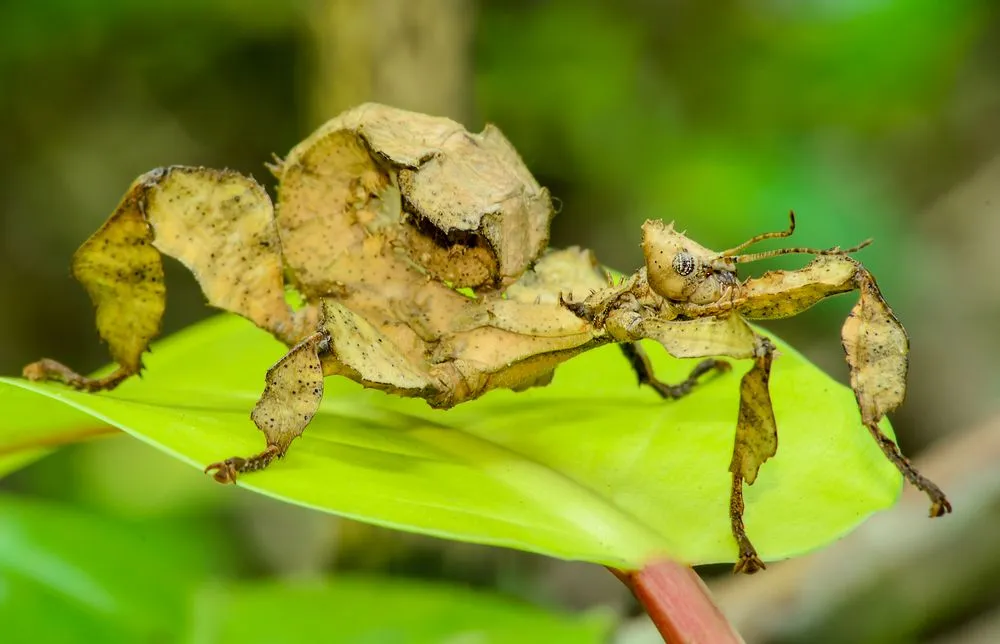
In a 2015 study, a group of Australian scientists investigated the life history of spiny leaf stick insects (Extatosoma tiaratum). They found that, depending on her state, a female could resist mating in one of three ways: already-mated females kicked their legs and curled their abdomens to fend males off; pre-reproductive virgin females secreted anti-aphrodisiac chemicals that repelled males; and parthenogenetic females altered their pheromones—the odor molecules organisms release to communicate—to appear inconspicuous to males in the first place.
The study concluded that female stick insects, under some circumstances, benefit by not mating. This, researchers suspect could further lead to the evolution of facultative parthenogenesis in the species.
Copperhead Snake
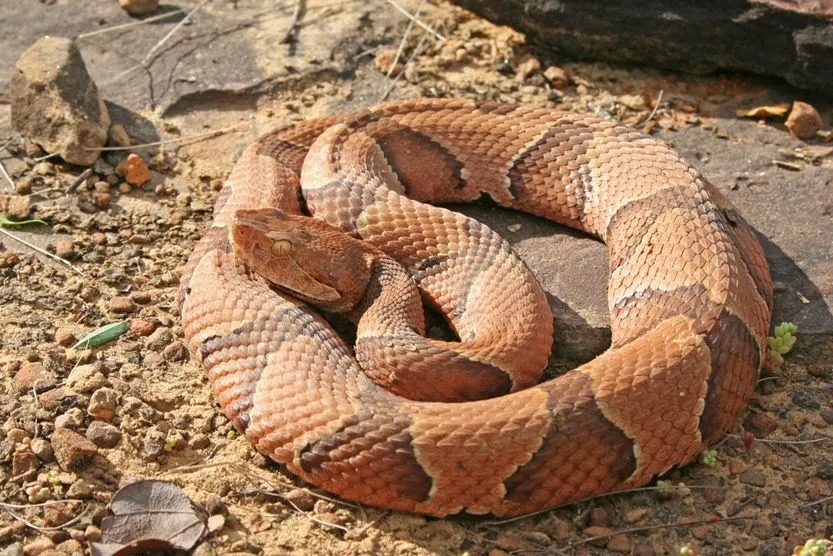
Several snake species can reproduce via parthenogenesis. One Copperhead (Agkistrodon contortrix) in Indiana, USA, gave birth to a stillborn offspring and four infertile eggs. They had captured this individual from the wild and kept her in an enclosure, one she had never shared with another snake. In fact, she had not mated in nine years.
Desert Grassland Whiptail Lizards
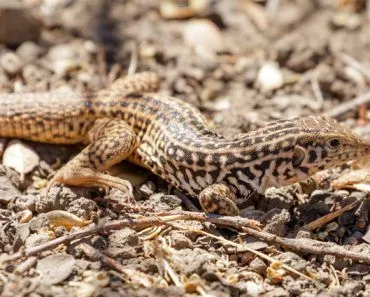
Desert grassland whiptail lizards (Aspidoscelis uniparens), as their name suggests, are found in desert and grassland ecosystems in the United States of America.
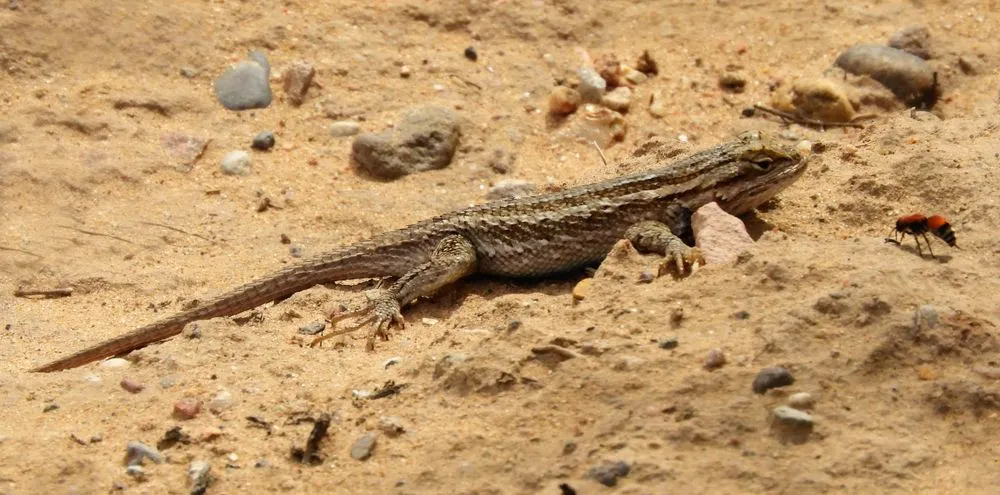
This species is unique, as they are an all-female, triploid species of hybrid origin. Therefore, as you might have already guessed, they can only reproduce using parthenogenesis. Their oocytes undergo a premeiotic doubling of the genome, so when meiosis occurs, pairing and recombination happen between identical sister chromosomes. The result: clonal, fully heterozygous female offspring that are essentially genetic copies of their mother.
This species is also known to exhibit male-like behavior in order to initiate pseudo-copulation with other females, which stimulates reproduction.
One of the major advantages of parthenogenesis in this species is that it can reproduce much faster than those species that reproduce sexually, allowing for a rapid increase in population when conditions are ideal.
Zebra Shark
A group of Australian researchers investigating captive zebra sharks (Stegostoma fasciatum) found that the species could switch from sexual reproduction to parthenogenetic reproduction in captive environments.
A wild-caught female named Leonie, housed at Reef HQ Aquarium in Townsville, Australia, was paired with a male zebra shark from 2006 to 2012, producing offspring sexually during that period. In 2012, the male was permanently removed. Once the mating stopped, so did her production of eggs.
In 2016 — three years after her last contact with the male — Leonie surprised the team by laying eggs again, this time without a partner. Three of those eggs hatched into pups (Cleo, CC, and Gemini), each genetically near-identical to her. The bigger surprise came later: her daughter Cleo, raised in captivity and never having mated with a male, also began producing parthenogenetic eggs of her own.
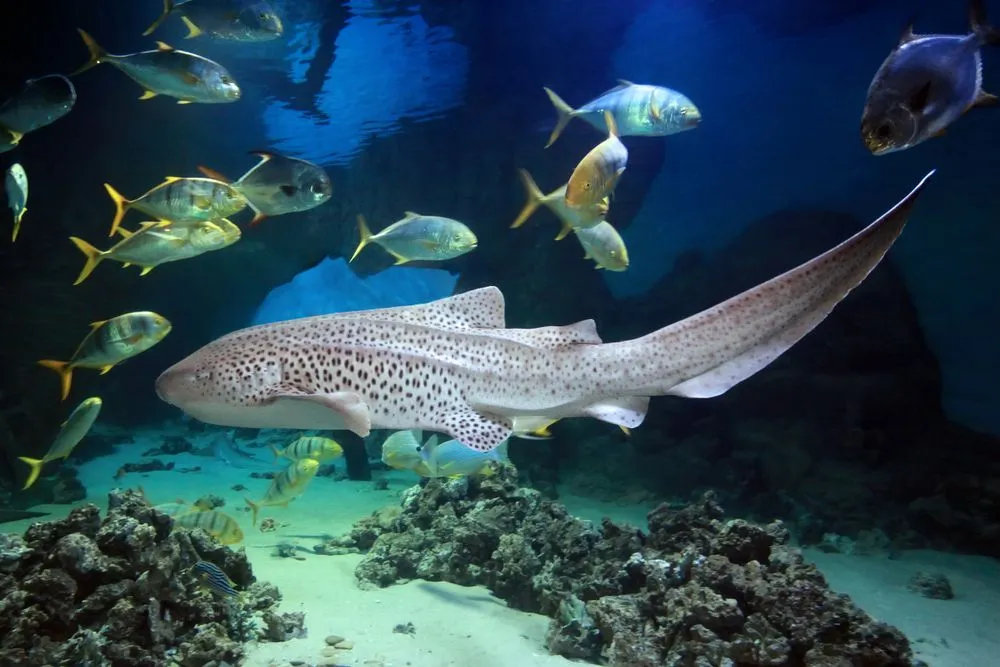
The researchers believe that the embryos in the mother’s egg developed because the shark could store the male’s sperm for a long time, or because it was parthenogenetic. On the other hand, parthenogenesis seemed most likely for the daughter, as she had never mated.
American Crocodile (a 2023 first!)
The list keeps growing. In 2023, scientists reported the first ever case of parthenogenesis in any crocodilian: a female American crocodile (Crocodylus acutus) that had been kept in isolation for 16 years at Parque Reptilandia in Costa Rica produced a clutch of 14 eggs, one of which contained a fully formed (though non-viable) fetus genetically near-identical to her. Because crocodilians and birds share a common ancestor with the dinosaurs, the discovery hints that facultative parthenogenesis may have a very deep evolutionary origin.
There are a few reasons animals choose (or are forced) to reproduce without mating. To begin with, parthenogenesis eliminates the cost of sexual reproduction entirely by avoiding any investments by males or in courtship. This saves animals a lot of time and energy.
Second, it helps species like komodo dragons thrive in uninhabited islands, as a single female can create a population on her own. Finally, such processes are likely the last resort for reproduction for many reptiles, insects, and amphibians living in harsh environments, such as deserts.
However, parthenogenetic species are often termed as ‘dead-ends’, since they produce clones, which do not have any new trait combinations. Because all the offspring are clones and are incapable of adapting to changing environments, they succumb faster to disease, which can ultimately threaten or reduce their populations in drastic ways.
References (click to expand)
- Watts, P. C., Buley, K. R., Sanderson, S., Boardman, W., Ciofi, C., & Gibson, R. (2006, December). Parthenogenesis in Komodo dragons. Nature. Springer Science and Business Media LLC.
- Burke, N. W., Crean, A. J., & Bonduriansky, R. (2015, March). The role of sexual conflict in the evolution of facultative parthenogenesis: a study on the spiny leaf stick insect. Animal Behaviour. Elsevier BV.
- Jordan, M. A., Perrine-Ripplinger, N., & Carter, E. T. (2015, March). An Independent Observation of Facultative Parthenogenesis in the Copperhead (Agkistrodon contortrix). Journal of Herpetology. Society for the Study of Amphibians and Reptiles.
- Desert grassland whiptail - Toronto Zoo | Animals. Toronto Zoo
- Dudgeon, C. L., Coulton, L., Bone, R., Ovenden, J. R., & Thomas, S. (2017, January 16). Switch from sexual to parthenogenetic reproduction in a zebra shark. Scientific Reports. Springer Science and Business Media LLC.