Table of Contents (click to expand)
We’ve all seen and loved the show, but in this article, we will get down to the specifics and see how scientifically accurate Breaking Bad really is.
Anyone who has seen the hit show Breaking Bad has likely found themselves wondering whether what they’re watching is reality or just a bunch of Hollywood BS. From surviving after being stranded in a desert with no food, water, or means of escaping, to killing a mob of mafia goons with an explosive powder that could fit in your palm, there have been many mind-blowing moments in the show. They could easily make you question reality, and leave you a little intrigued as to whether you could try it out yourself… I strongly suggest you don’t!

Even though most of the technical details are guised under the veil of science, the show definitely contains facts spiced up with fiction; it’s better to believe each depiction with a pinch of salt. However, to better our understanding and keep the spark of curiosity and wonder alive, here’s a look at some of the most riveting aspects of the show that could be replicated in real life.
Recommended Video for you:
1. Ricin
The most astonishing, hassle-free, and foolproof among the exploits of Walt and Jesse were their enemies who they killed without as much as a push, nor the messy disposal of chopping up bodies or dissolving them in bathtubs full of acid. Walt planned on using ricin in several instances, but he eventually used it to kill Lydia Rodarte-Quayle by replacing her stevia with the powder, which she then drank with her tea.
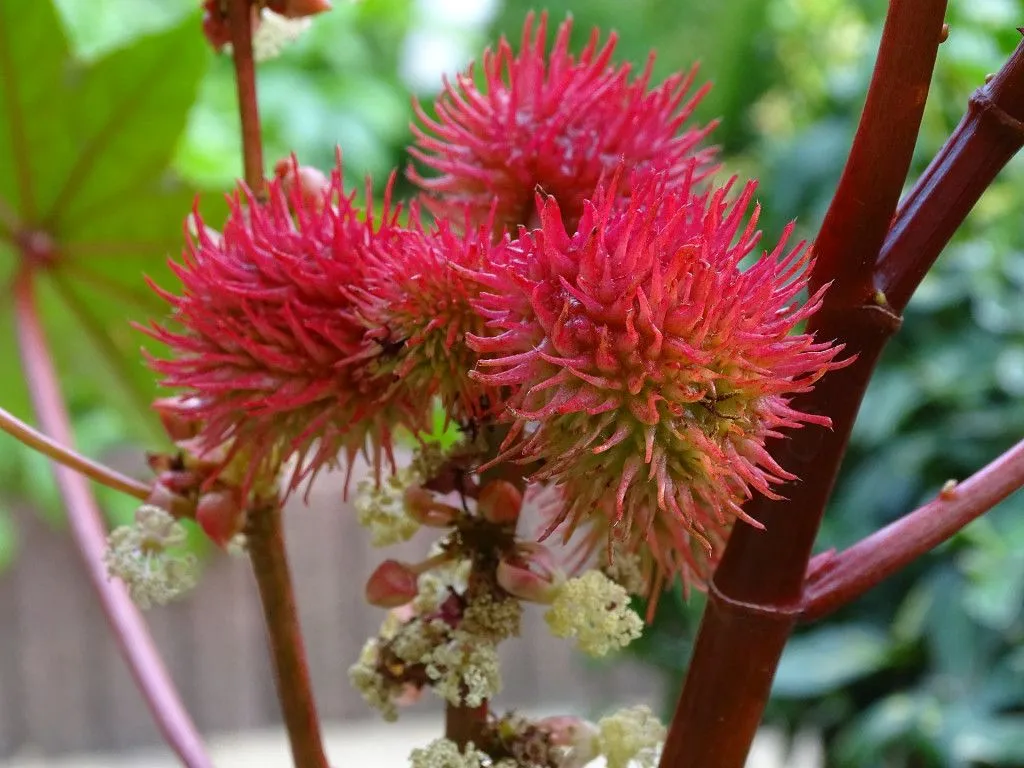
Ricin is a naturally occurring lectin (carbohydrate-binding protein) that is highly toxic and derived from beans of the castor oil plant. Exposure to ricin in the form of inhaling, ingesting, or injecting an amount of roughly eight beans is enough to prove lethal for an adult. This substance was also used by the KGB to murder Bulgarian journalist Georgi Markov in a very discreet manner, using a poison-tipped umbrella that pricked him in the back of his leg.
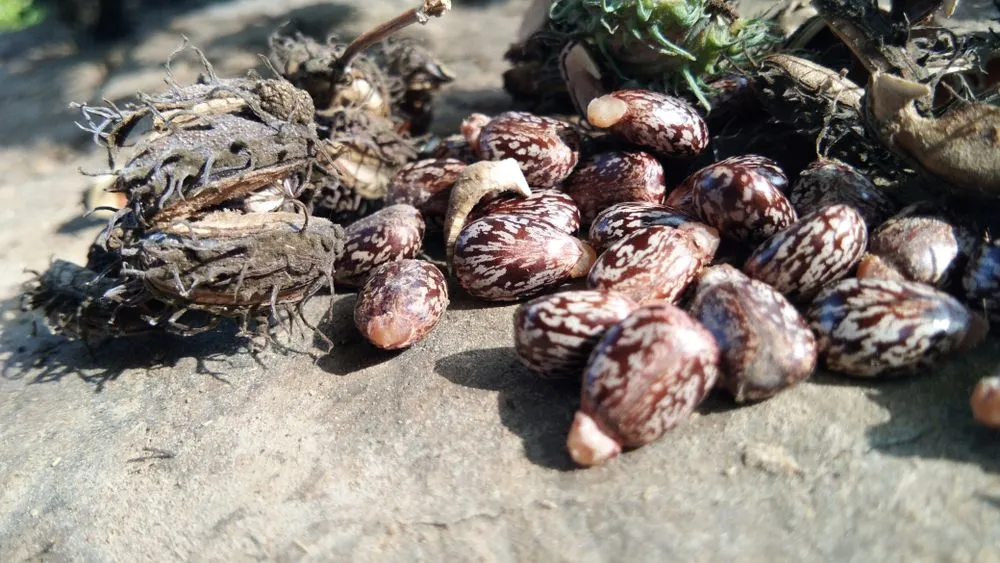
Ricin is toxic because it shuts down protein synthesis in the cell’s ribosomes (it cleaves a single adenine from the 28S rRNA), preventing cells from assembling the proteins required to keep the basic metabolism of life running. The symptoms of ricin aren’t seen immediately, but could take hours or even days to take effect, depending on the dosage. The effect is seen according to the manner the ricin was administered.
Recovery is possible, but the toxin is very difficult to trace, and can cause death within 36-48 hours. Ricin proves less effective when mixed with a liquid, and would require a more significant amount than what is shown on the show.
2. Dissolving Bodies With Hydrofluoric Acid
Probably one of the nastiest scenes in the show, for viewers and the protagonists, was the disposal of bodies by melting them in vats of Hydrofluoric acid. In the first season, we see the grotesque and gruesome outcome of this experiment, when Jesse, vaguely following Walt’s instructions, disposes of Emilio’s body in a bathtub full of acid, disregarding the warning that the acid would eat through everything except plastic.
The acid dissolves the body, but also burns a hole through the bathtub and the floor, spilling the soupy contents of a corpse all over the house.
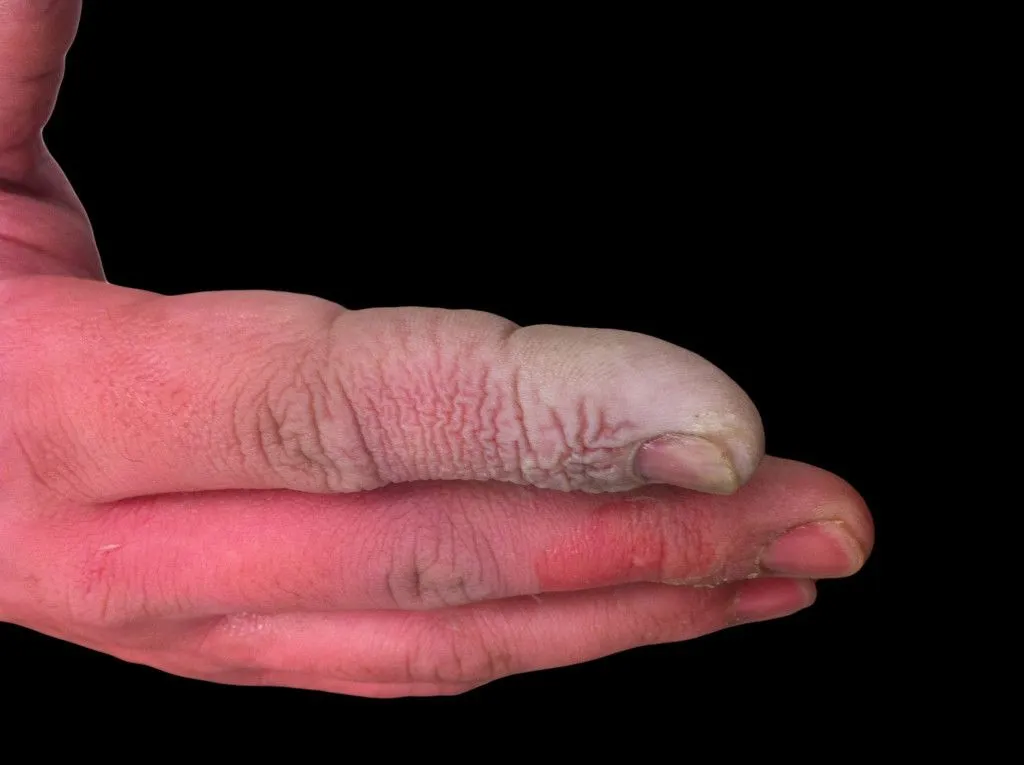
Hydrofluoric acid is hydrogen fluoride dissolved in water, which forms a highly corrosive solution that is uniquely good at attacking glass and silicate ceramics. Counter-intuitively, HF is technically a weak acid because it does not fully dissociate in water. The MythBusters team tested the bathtub scene and busted it: even with a much stronger acid mix than Walt described, it could not turn an entire body to sludge in a few hours, and a porcelain-coated steel tub on a wooden floor would not melt through cleanly the way it does on screen. So Walt's underlying chemistry advice — "don't use a porcelain bathtub, use a polyethylene container" — was right; the on-screen cinematic outcome is heavily dramatized.
3. Lockpicking
Taking notes from military-grade warfare, Walt came up with a stroke of brilliance when they needed to steal more methylamine for cooking meth, but had to do the job themselves (and let’s not forget, Walt was just a high-school chemistry teacher). They decided to break into a chemical store, but somehow had to break the lock of the heavy-duty door.
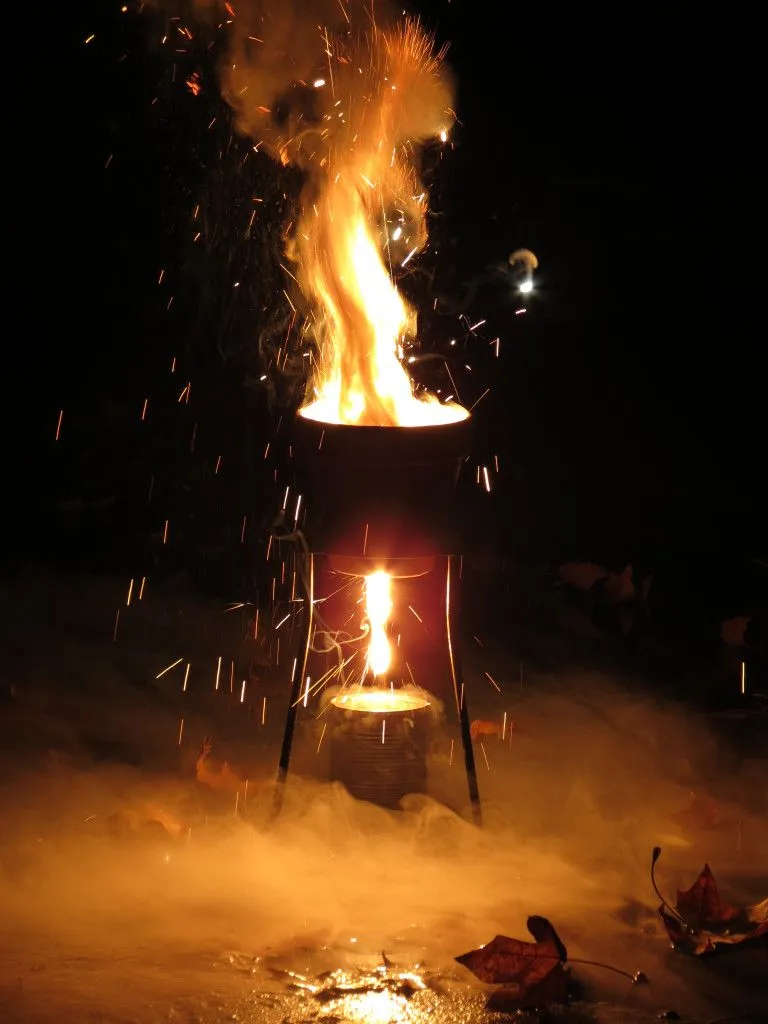
Walt then uses an accurate thermite reaction to burn through the lock. This is done by mixing metal oxide with a reactive metal powder, which undergoes a highly energetic reaction that creates a temperature high enough to be used for welding metal, which is definitely enough to break locks.
4. Phosphine Gas
As it turns out, cooking meth in an RV in the desert does come with its fair share of problems. During one of their cooks, Walt is threatened by two gangsters at gunpoint to give up his recipe. He uses this opportunity to make use of the many toxic chemicals required for the production of crystal meth to fill the RV with poisonous phosphine gas, then trapping the men inside.
In real chemistry, dropping red phosphorus into plain water doesn't actually produce phosphine in any useful quantity — it would need a strong base like sodium or potassium hydroxide, or a metal phosphide reacting with moisture, to release PH₃. Walt's recipe is therefore a Hollywood shortcut, but the underlying gas is genuinely terrifying: phosphine is colorless, has a faint garlic odor, and even short exposures can cause pulmonary edema and death.
5. The Lily Of The Valley Plant
We were all shocked by the sudden hospitalization of the young boy, Brock, and were all pretty suspicious of Walt and his potential use of ricin. However, it turned out that Walt didn’t actually poison him using ricin, but instead discreetly got away with doing it under the guise of another of nature’s deadly occurrences: the Lily of the Valley.

Every part of the lily-of-the-valley plant is toxic. It contains around 30 cardiac glycosides — most importantly convallatoxin — which inhibit the Na⁺/K⁺-ATPase pump in heart cells, much like the drug digitalis. At low doses this strengthens heart contractions; at toxic doses it produces nausea, vomiting, dilated pupils, irregular or slow heartbeat, heart block, and ultimately cardiac arrest. That cardiac mechanism is what nearly killed Brock.
This show uses several unique incidences of scientific accuracy in ways that are unimaginably distinctive and memorable! Walt might just be a chemistry teacher, but he used his brains to become a kingpin. With that in mind, maybe you should hit the books instead of the gym if you want to end up on top!
References (click to expand)
- Ricin poisoning - Mayo Clinic. Mayo Clinic
- Breaking Bad III – thermite break-in | The Mole - RSC Education. Try
- Alexandre, J., Foucault, A., Coutance, G., Scanu, P., & Milliez, P. (2012, February 28). Digitalis Intoxication Induced by an Acute Accidental Poisoning by Lily of the Valley. Circulation. Ovid Technologies (Wolters Kluwer Health).
- Bradberry, S. M., Dickers, K. J., Rice, P., Griffiths, G. D., & Vale, J. A. (2003). Ricin Poisoning. Toxicological Reviews. Springer Science and Business Media LLC.
- Convallatoxin (lily-of-the-valley cardiac glycoside) - Wikipedia