Table of Contents (click to expand)
If we could see all wavelengths of light, it would be overwhelming and confusing. We would not be able to see colors, and everything would appear in different tones of heat. We would be able to see through other objects, but people would appear less like their usual selves and more frightening instead.
Light is a form of electromagnetic radiation that consists of components with different wavelengths. You might already know that visible light, i.e. the light that we actually see and perceive, is just a small portion of all the light there is. So, what if we could see all the other components of the spectrum as well?
Let’s start with the left extreme of the spectrum…
Recommended Video for you:
Radio Waves
From your smartphone and television to computer networks and artificial satellites orbiting the planet, everything relies on radio waves to operate. Apart from these modern conveniences, almost everything in the universe emits radio waves, so being able to see these waves does more harm than good to your eyes, and it’s even worse for your brain! The latter would be bombarded with so much information in countless colors at all times that you would not be able to register/isolate anything at all, making you feel blinded by the influx of so much light and color.
Microwaves
The background lighting that fills the universe is actually the afterglow from the Big Bang. With microwave vision, we would see light shooting at us from everywhere in the sky (however, a small amount of that would be blocked by our atmosphere).
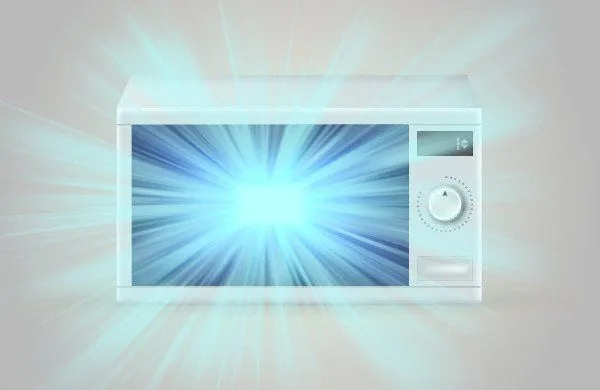
Other things in daily life that possess microwaves (like microwave ovens, GPS, traffic surveillance systems etc.) would also appear very brightly lit.
Infrared
With infrared vision, colors would essentially disappear, and you would only see things through different tones of heat. The hotter the object, the brighter it would appear. Human beings emit heat too (heat signature), so you would see every other person lit up according to how hot he/she is (no pun intended).
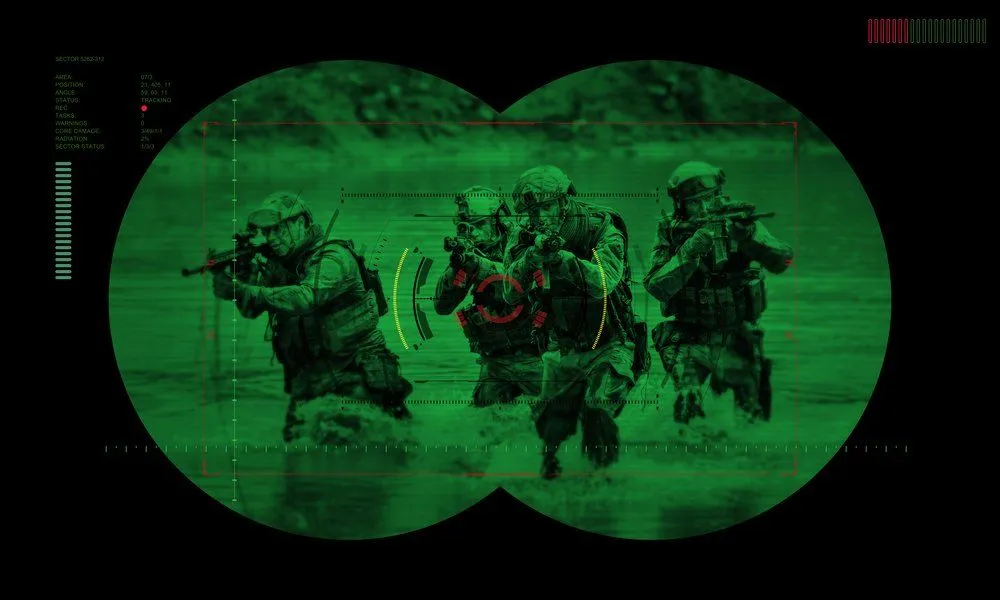
To add to that, you would be able to see people through thin objects like clothes, but solid walls would still block your view; people would appear less like their usual selves and more frightening instead, depending on their heat signature. In May 2025, researchers at the University of Science and Technology of China unveiled upconversion contact lenses that convert near-infrared light into visible light, briefly giving human volunteers a real (if limited) taste of infrared vision — no power source required.
Ultraviolet
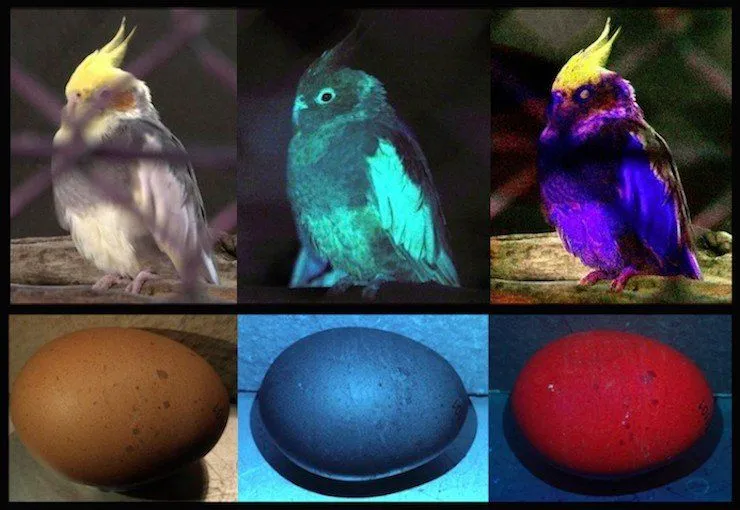
Normally, humans cannot perceive ultraviolet because our three types of cone photoreceptors (S, M and L, sensitive to short, medium and long wavelengths) only detect roughly blue, green and red light, and the eye’s lens absorbs most UV before it can reach the retina. However, animals like reindeer, sockeye salmon, butterflies and many birds have UV-sensitive photoreceptors. Reindeer use UV vision to spot lichens and predators against snow, while kestrels and other birds of prey can track the UV-reflecting urine trails left by voles and other small rodents.

That being said, humans can perceive UV light, but it comes at the cost of their eye lenses. People who have aphakia (the absence of an eye lens due to injury, surgery, ulcer etc.) have reported being able to see UV wavelengths. Claude Monet, an eminent painter and a “father” of French Impressionist painting, was able to see “impossible” colors due to the removal of lens following a cataract surgery.
Electronic gadgets that emit UV light (e.g., computer screens, tanning beds and UV lamps) would appear brighter, and seeing things with the UV filter would give our current perception of colors an overhaul.
X-Rays
Thanks to movies and pop culture’s love for X-ray vision, we have been led to believe that X-ray vision will let us see through other people’s clothes – as well as buildings and underground bunkers. The truth is, even if you could see through someone’s clothes using your X-ray vision (which, by the way, you can), it’s only their bones that you would be able to see. X-rays have a very small wavelength and high amounts of energy, which is why they can penetrate a lot of stuff to give that ‘see-through’ vision effect.
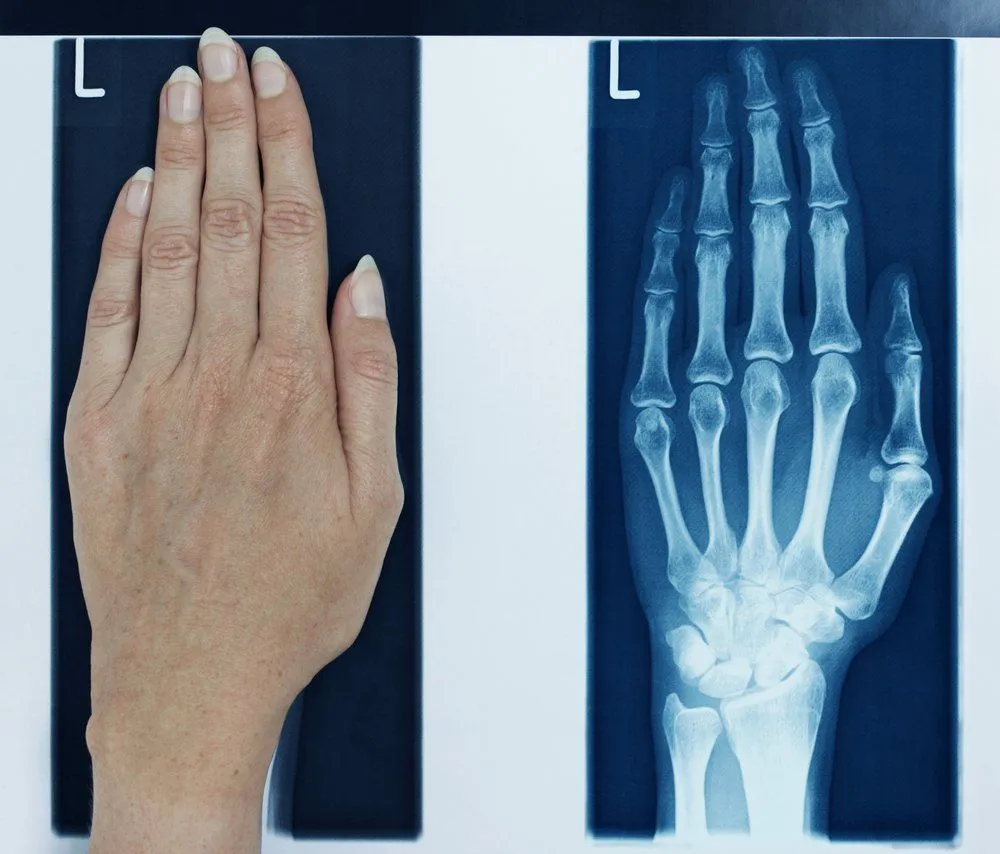
Having X-ray vision would be far less cool than pop culture has led you to believe: you’d see a slightly different-colored sky (the atmosphere has small amounts of X-rays) and you would need an iron eye mask to catch any shut-eye. X-rays can pass through thick layers of fat and muscle, so what opposition could thin eyelids possibly offer!
Gamma Rays
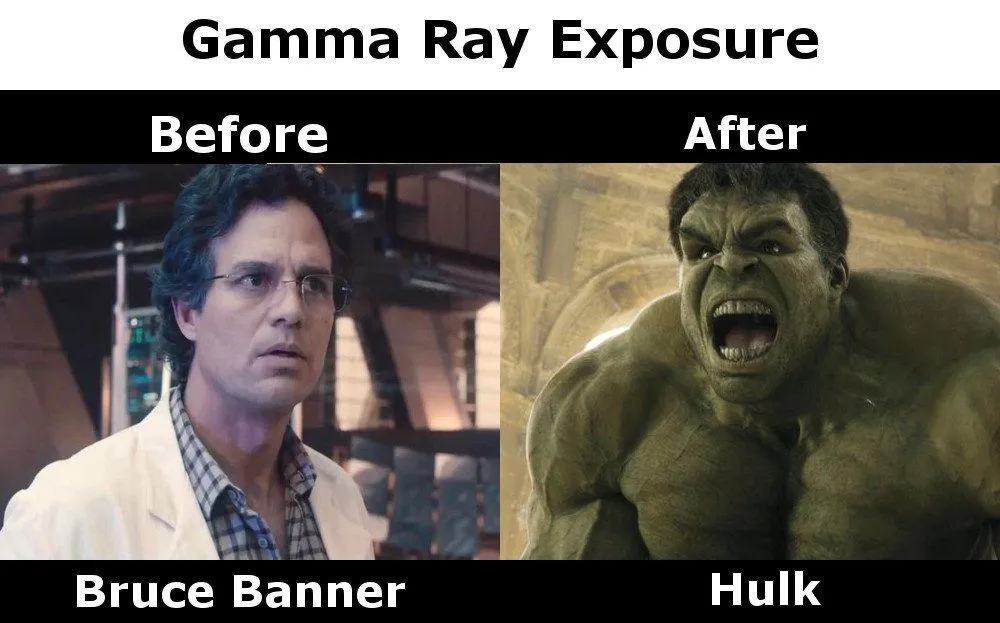
Sitting at the top of the electromagnetic spectrum (in terms of frequency) are gamma rays, which consist of extremely high-energy photons that can penetrate almost everything around us. Since there aren’t many sources of gamma rays around us, there wouldn’t be much difference in your vision. However, you could see radioactive materials (that emit gamma rays), but you should probably keep your distance from them. You wouldn’t want to see too many gamma rays, or else you might end up like Dr. Bruce Banner.
To conclude, it’s fair to say that having any other type of vision besides the one we have now would make things more problematic or uncomfortable for us. However, if there was an option to toggle these special visions on and off, I think it would be pretty darn cool.