Table of Contents (click to expand)
Yes, you can get tetanus from stepping on a rusty nail — but the rust itself is not the cause. Tetanus is caused by Clostridium tetani, a soil-dwelling bacterium that thrives in low-oxygen environments. A nail left outside often picks up these bacteria from soil or dust, and a deep puncture wound delivers them past your skin into a perfect oxygen-starved hiding spot. The single most important protection is a current tetanus vaccination — public-health authorities recommend a Tdap booster every 10 years (sooner if your wound is dirty and your last shot was more than 5 years ago).
Accidents happen all the time, and they happen in all different forms.
When you hear about an accident, it’s more commonly associated with a tragedy on the road or some other unfortunate event, but there are certain small, seemingly innocuous accidents that also happen constantly. Stepping on a rusty nail is one such accident.
Recommended Video for you:
What Is Tetanus?
Tetanus, which is also known as lockjaw, is a type of infection typically associated with being injured by some sharp object, such as knife, needle, or rusty nail. The reason it is also known as lockjaw is because one of the basic symptoms of tetanus comes in the form of contractions in the muscles around the mouth. The jaw seems to be ‘locked’ due to very little movement, hence the name.
These muscle contractions can often spread to other parts of the body, causing uncontrolled spasms. Some of these spasms are so strong that they can cause fractures, so tetanus is clearly nothing to fool around with. Furthermore, someone suffering from tetanus may have trouble swallowing and breathing, and may experience irritability, drooling, abnormal sweating and fever.
What Causes Tetanus?
Tetanus is caused by a spore-forming bacillus named Clostridium tetani. The bad news is that this bacterium is found quite commonly all over the world. These bacteria may be found in soil, feces, dust or even on the skin of human beings.
Now, let’s talk about how this all connects to blades and rusty nails. It’s important to note that these warnings aren’t limited to rusty nails; even perfectly new and polished ones (if they puncture the skin) can cause a deep wound that may lead to tetanus. Why is that? Let’s dig into the details…
How Does The Process Work?
The bacteria, C. tetani, can grow and reproduce only in the absence of oxygen. This bacterium enters the body through the wound, where there is an abundance of contamination and dead skin cells, as well as a deprivation of good oxygen flow. These puncture wounds can be caused by anything, including needles, animal bites, broken glass, knives, wood splinters or nails.
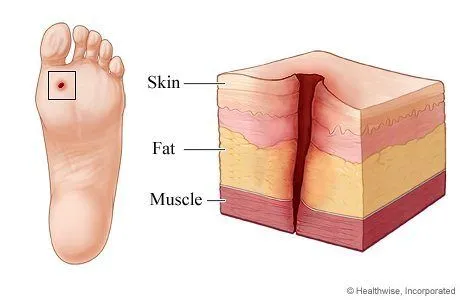
Once the bacteria enter the wound, they release a neurotoxin called tetanospasmin — one of the most potent biological poisons known, with a lethal dose of just a few nanograms per kilogram of body weight. The toxin travels along nerve cells, blocks the brain’s signals that relax muscles, and lets contraction signals run unchecked, which is why tetanus victims experience severe full-body spasms.
Why Are Rusty Objects Considered More Dangerous?
If an object is able to puncture your skin, then it can potentially cause tetanus. The reason why rusty nails are often blamed more than other objects is that due to the exposure of the nail to air, water and soil from the surroundings, the tetanus-causing bacteria can enter the nail and hide there, almost guaranteeing that the bacteria will enter the body. Any piercing injury should be looked at carefully, not just the ones caused by rusty metallic objects, but the chances of contracting tetanus are much higher with those rusted materials.
It is also important to note that cleaning the wound with normal disinfectant won’t help much, as spores of C. tetani are resistant to antiseptics. The best thing you can do is head to the nearest hospital, where you will be given an antitoxin known as tetanus immunoglobulin.
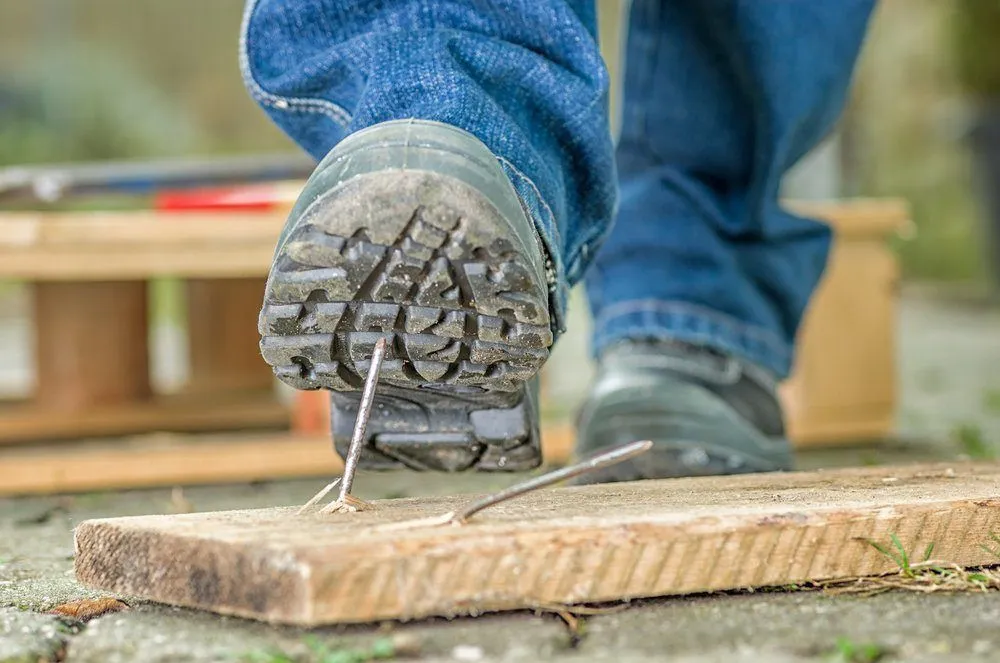
Now that you know the whole story, don’t blame old, rusty needles and nails for tetanus; they’re just carriers for this dangerous bacteria. And remember, even an innocuous cut or scratch by a brand-new material can also be just as deadly. Take a trip to the hospital just to make sure!
The real protection against tetanus is your vaccination history. The CDC recommends a Tdap (tetanus, diphtheria, pertussis) booster every 10 years for adults, and within 5 years of any dirty or deep wound. Thanks to widespread vaccination, tetanus is now extraordinarily rare in countries with mature immunisation programmes — the United States typically reports fewer than 30 cases a year, and global deaths have fallen from over 200,000 in the early 2000s to roughly 25,000 in 2024 (most still in regions with low maternal and neonatal vaccination coverage). If you can’t remember when you last had a booster and you just stepped on a nail, that’s a good reason to head to the clinic.
References (click to expand)
- If you step on a rusty nail, will you really get tetanus?. HowStuffWorks
- How to Know when You Need a Tetanus Shot - wikiHow. wikiHow
- Cut by rusty metal! Do I need a tetanus shot? - Go Ask Alice!. Columbia University
- I stepped on a nail. Do I need a tetanus shot? | BuckMD Blog. The Ohio State University