Unlike plants, photosynthetic algae don’t need to be green. Many algae, such as those in the ocean, come in a variety of colors, ranging from red to purple. They simply have different photosynthetic pigments that allow them to absorb the light of different wavelengths.
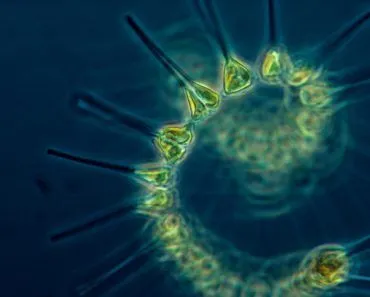
Algae is far more than just irritating green scum at the bottom of your fishbowl. Together with the rest of ocean phytoplankton, algae are estimated to produce roughly half of the oxygen in Earth’s atmosphere. They were traditionally placed in the kingdom Protista, a large group composed of mostly unicellular eukaryotic organisms; modern molecular taxonomy now spreads them across several eukaryotic supergroups, with red and green algae sitting on the same branch as land plants.
It is very important to understand the role played by algae in the structural framework of our planet’s atmosphere.
Recommended Video for you:
Algae, The First Plants
To understand why I call algae colorful rainbow plants, it’s critical to know a bit about the evolution of life.
Four billion years ago, Earth’s atmosphere was reduced because of gases such as carbon dioxide, methane, and water vapor.
Sunlight split water vapor into oxygen and hydrogen, but the oxygen was used for the combustion of methane, leaving the atmosphere without any oxygen. This led to the sustenance of anaerobic life.
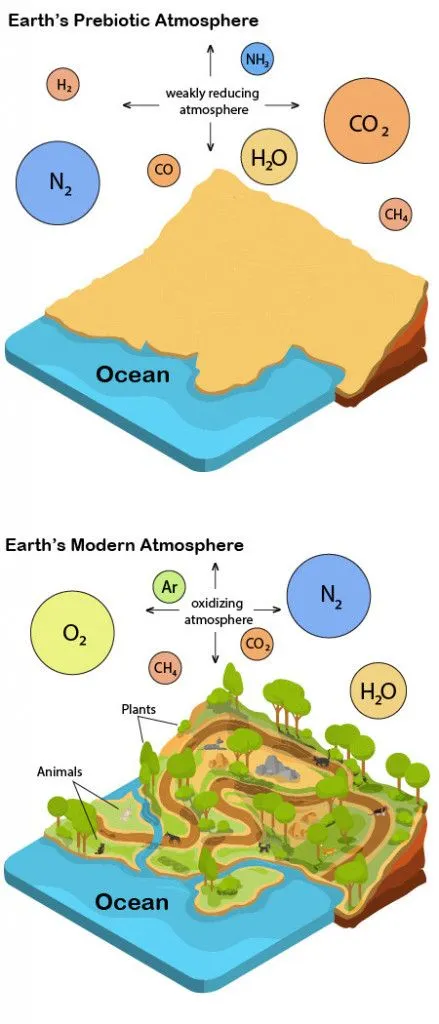
Today, we live in an atmosphere with 21% oxygen that supports aerobic life, but how did this transformation happen?
The atmosphere became filled with oxygen in 2 phases:
- The nascent stage, during which cyanobacteria introduced oxygen to the earth’s atmosphere (2.7 billion years ago)
- The growth stage, during which the algae suffused the earth with 21% oxygen (1.7 billion years ago)
Nascent Stage
About 2.7 billion years ago, cyanobacteria—the path-changing bacteria, with their remarkable ability to make their food by photosynthesis—came into existence. This was the first biological step towards trapping energy from sunlight and converting it to chemical energy. And as we know, oxygen was the byproduct.
Methane, a greenhouse gas, was replaced by oxygen, which slowly formed the ozone layer. However, the oxygen level was still not sufficient to support a dominance of aerobic life.
Growth Stage
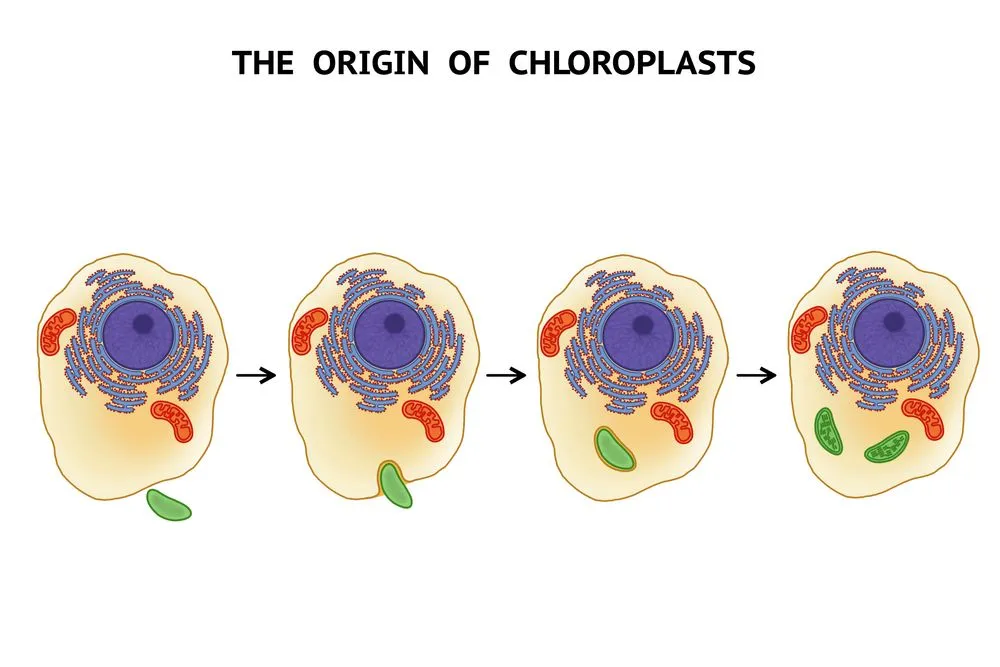
1.7 billion years ago, the first single-celled eukaryote, algae, came into existence. These early eukaryotes probably engulfed cyanobacteria, but instead of digesting the autotrophic bacteria, the eukaryotes learned to live in symbiosis, giving rise to the diverse world of algae we still see today. The engulfed cyanobacteria with its chlorophyll evolved to become the chloroplast. This evolutionary process is popularly known as the ‘endosymbiotic theory.’ Several evolutionary factors led to the birth of algae, which exist as many species that vary in size, color, shape, taste, and geographical location.
Algae Exist As A Rainbow Of Colors
Not all algae are green, as they come in different colors. In addition to chlorophyll, many algae possess additional pigments called phycobilin, which masks chlorophyll.
The Spectrum Of White Light
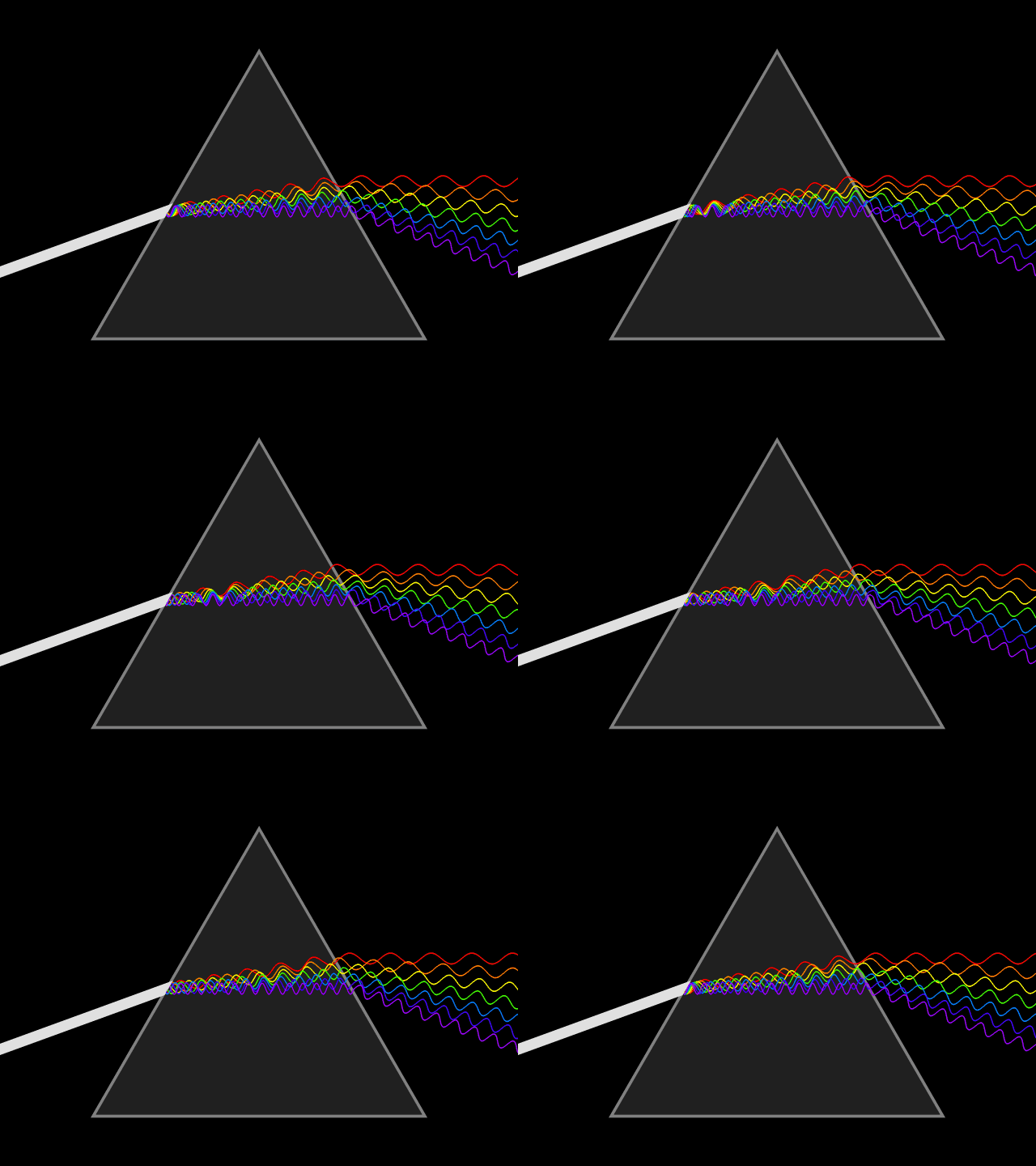
White light or visible light is a spectrum of different colors with wavelengths ranging from 380 to 700nm. The colors are in the order of red, orange, yellow, green, blue, indigo and violet, which merge to form white light.
How Do We Perceive Color?
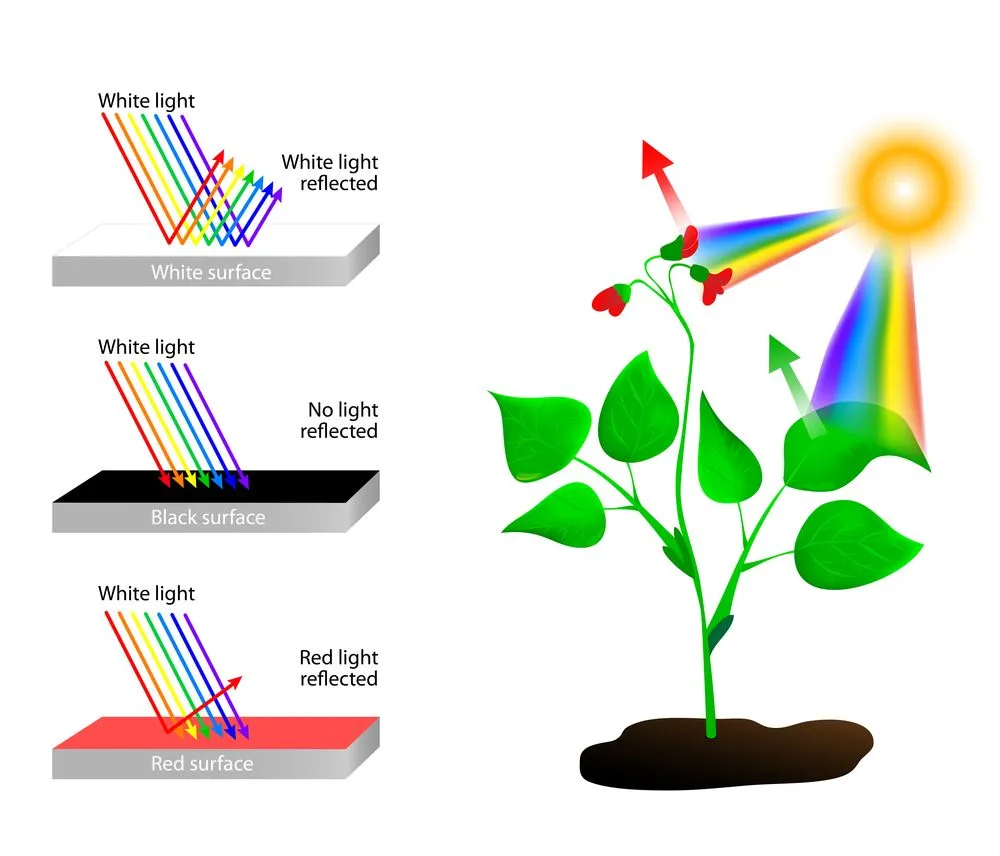
What we see as the color of an object is actually the color that is reflected by the object.
For example, a black body absorbs all seven colors of light and nothing is reflected, so it appears black. Remember, black is not a color; it is the absence of color.
In contrast, white light reflects all wavelengths of light, which then merge together to become white light, and the object can therefore be seen as a white object.
Why Do Terrestrial Algae/green Plants Appear Green?
Sunlight is a mixture of all the colors of light that combine to form the color white.
Chlorophyll is the photosynthetic pigment that absorbs blue (around 430 nm) and red (around 660 nm) wavelengths most strongly, while green light is largely reflected — which is why plants appear green.
So Why Do Some Algae Come In Other Colors?
Algae that grow on the surface of water absorb red and blue light and reflect green light, and thus appear green.
However, red light cannot penetrate deep water the way blue and green light can. Therefore, algae that grow deeper in the ocean rely on accessory pigments — phycobilins (phycoerythrin and phycocyanin) in red algae, fucoxanthin in brown algae — which absorb the wavelengths that do reach them and pass that energy on to chlorophyll for photosynthesis to occur. Different algae carry different accessory pigments, which is why algae come in colors other than green.
Algae In All Its Colorful Glory
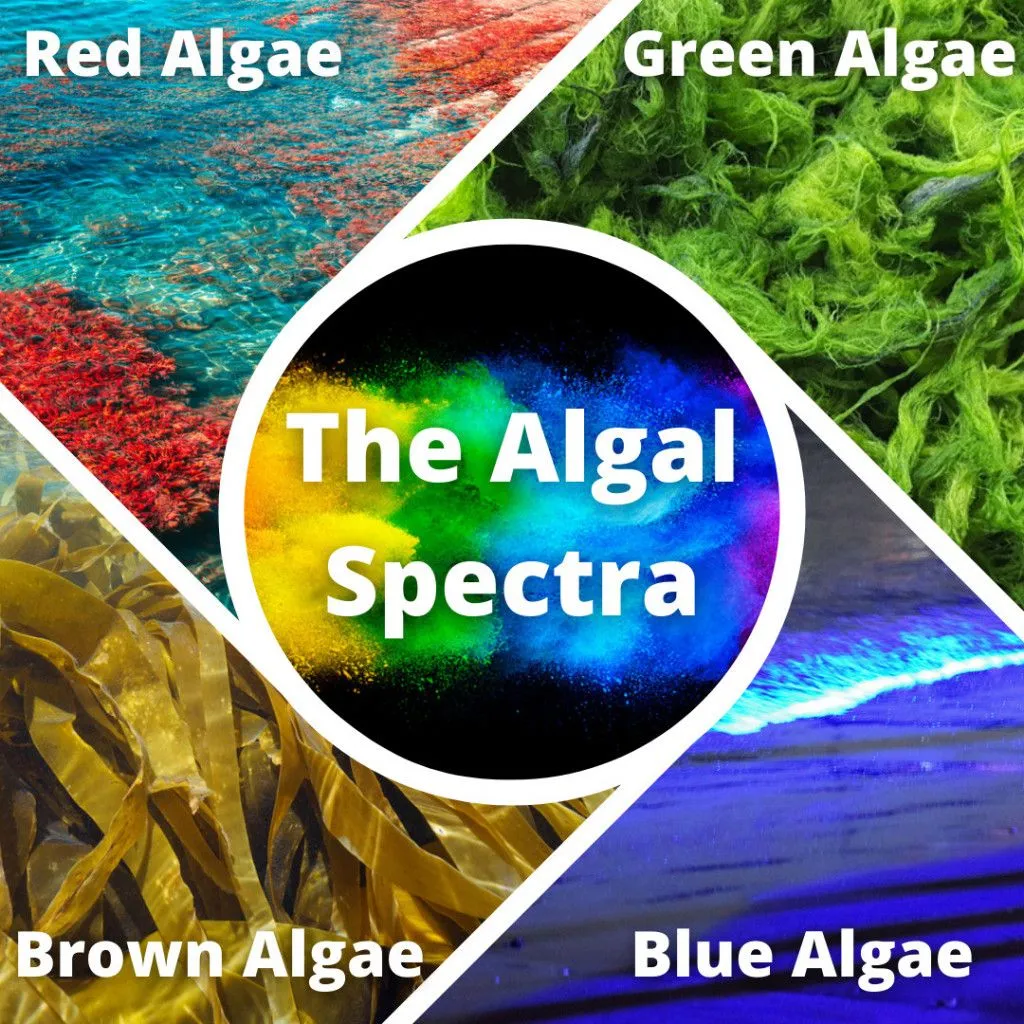
Macroalgae come in three major types: Brown algae, green algae, and red algae. All algal species carry chlorophyll, but their characteristic color is due to other pigments that mask the green chlorophyll.
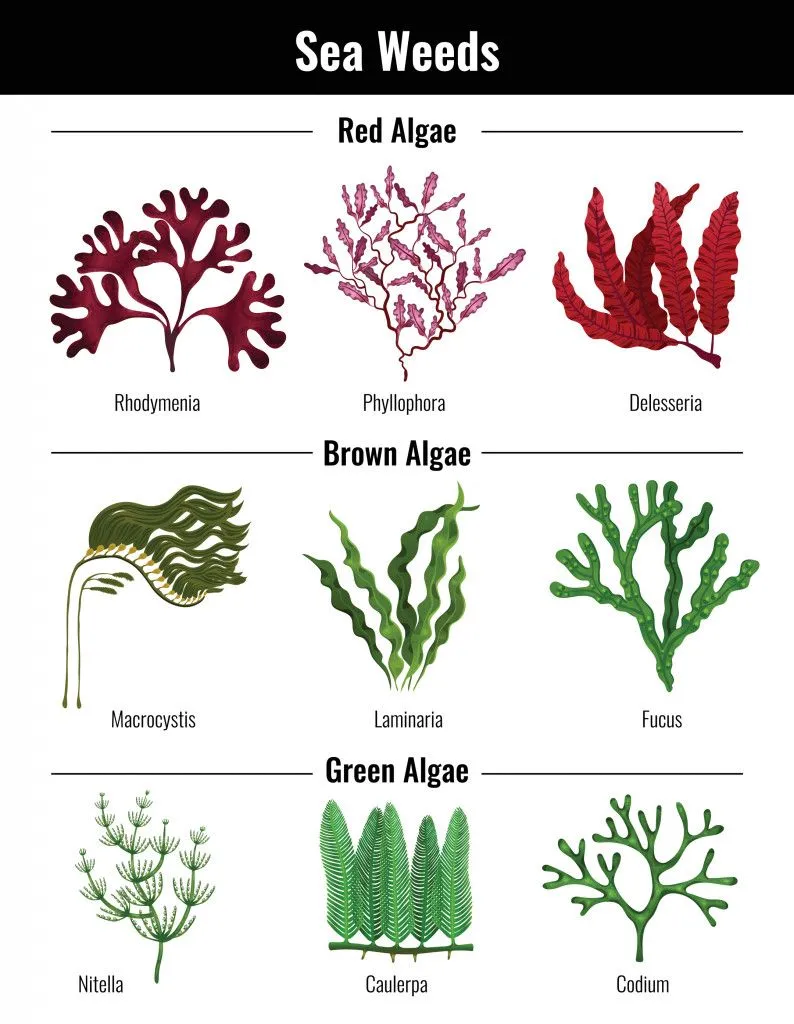
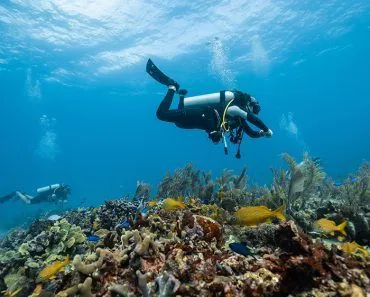
Red algae (Rhodophyta): contain chlorophyll a and the accessory pigment phycoerythrin, which gives them their characteristic red hue. Coralline red algae help build tropical reefs. Several species are eaten directly — the sushi wrap nori is made from Pyropia/Porphyra — and others are the source of the gelling agents agar and carrageenan.
Brown algae (Phaeophyceae): contain chlorophylls a and c plus the brown pigment fucoxanthin. They are almost exclusively marine, and the largest among them — giant kelp (Macrocystis pyrifera) — can grow up to about 60 meters long, making them the longest algae on Earth. Brown algae are the major commercial source of alginate.
Green algae (Chlorophyta): contain chlorophylls a and b in roughly the same proportions found in land plants — which evolved from green algal ancestors. The group includes around 7,000 species, ranging from microscopic unicellular forms to large seaweeds like sea lettuce (Ulva).
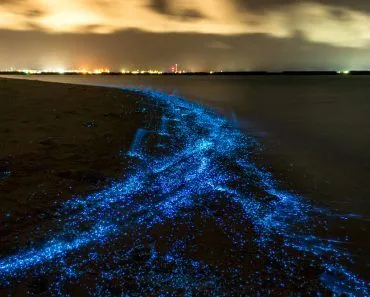
Glowing algae (dinoflagellates): single-celled algae that contain chlorophylls a and c along with the pigment peridinin. Many species are bioluminescent, lighting up coastlines with bright blue glows when disturbed.
A Final Word
The omnipresent algae is found on land and in water. It is believed to be the Food of the Future, as it already provides food for the tiniest shrimp all the way to the enormous blue whale. Algae represent a rich source of proteins, omega-3 fatty acids, vitamins and essential minerals. They are also being considered as the Fuel of the Future and the Fertilizers of the Future.
No matter how hard you try, it’s hard to avoid algae, and given its likely role in our sustainable future, we should all get used to algae in our lives!