Table of Contents (click to expand)
Helicity is the projection of a particle’s spin onto its direction of momentum — a single number that tells you whether the spin is aligned with (right-handed, h = +1) or against (left-handed, h = −1) the particle’s motion. For massless particles it is Lorentz-invariant; for massive particles it depends on the observer’s frame. The famous 1958 Goldhaber experiment measured the neutrino as left-handed.
We identify and refer to our friends and people around us by their names. The name of an individual is an identification tool. Two people may have the same first name, but different surnames. This makes it easy to identify each other.
What if one does not know someone’s name?
They would instead describe their physical attributes, as every person has unique physical features and behavior.
In the atomic world, how do we identify particles?
By name, of course!
Just as we do in the full-scale physical world, we identify atomic particles by their characteristic behavior.
Recommended Video for you:
Spin
Each particle has a spin. The rotation of the particle determines its spin, which gives a lot of insight about the particle. The spin also has quantity and direction. The values of spin are either integers or fractional.
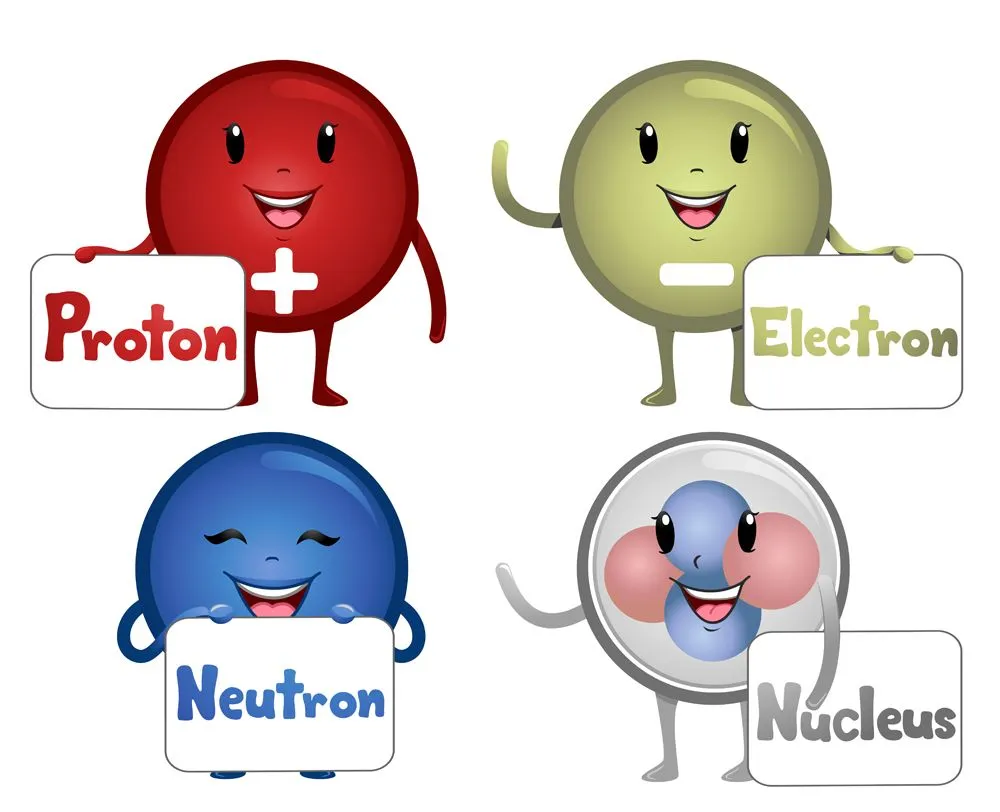
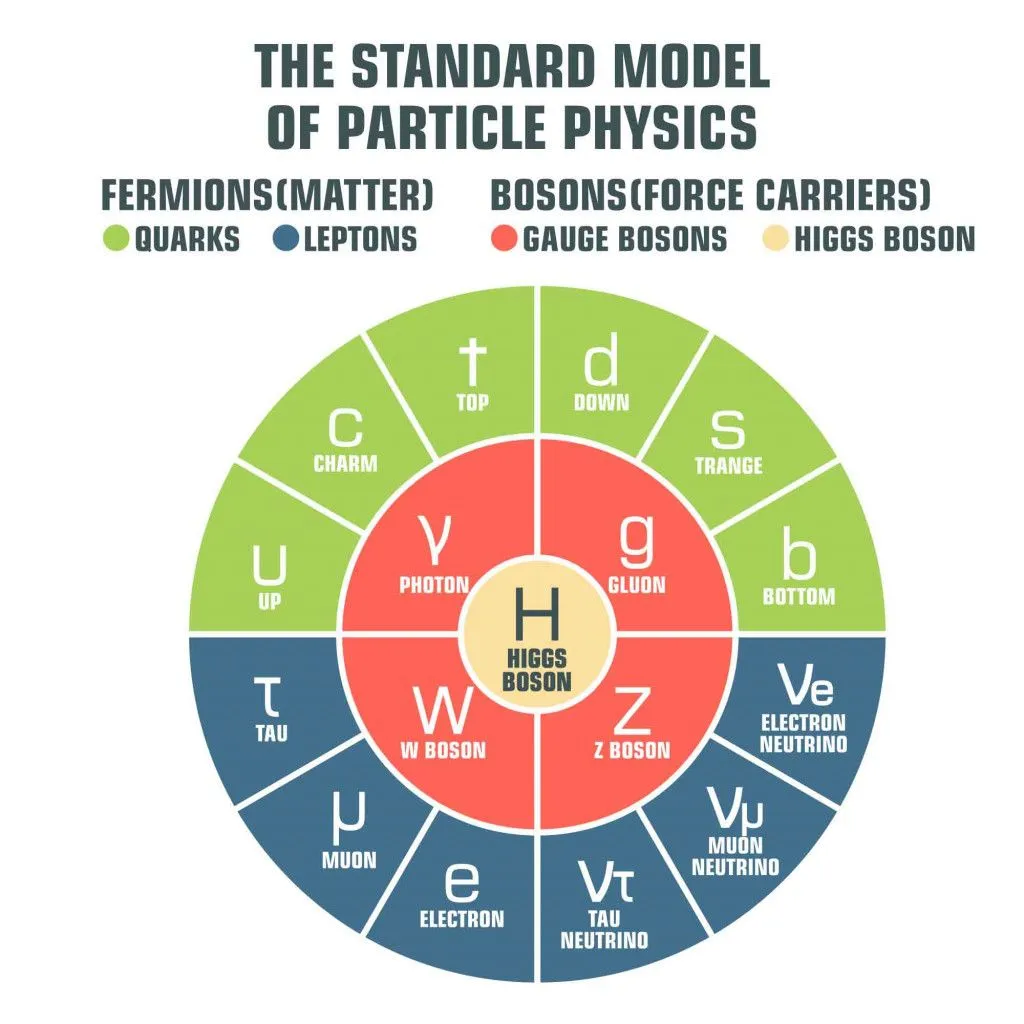
Particles with fractional spin values are fermions. Those particles with integer spin values are bosons. Thus, any particle is either categorized as a fermion or boson, based on its spin value.
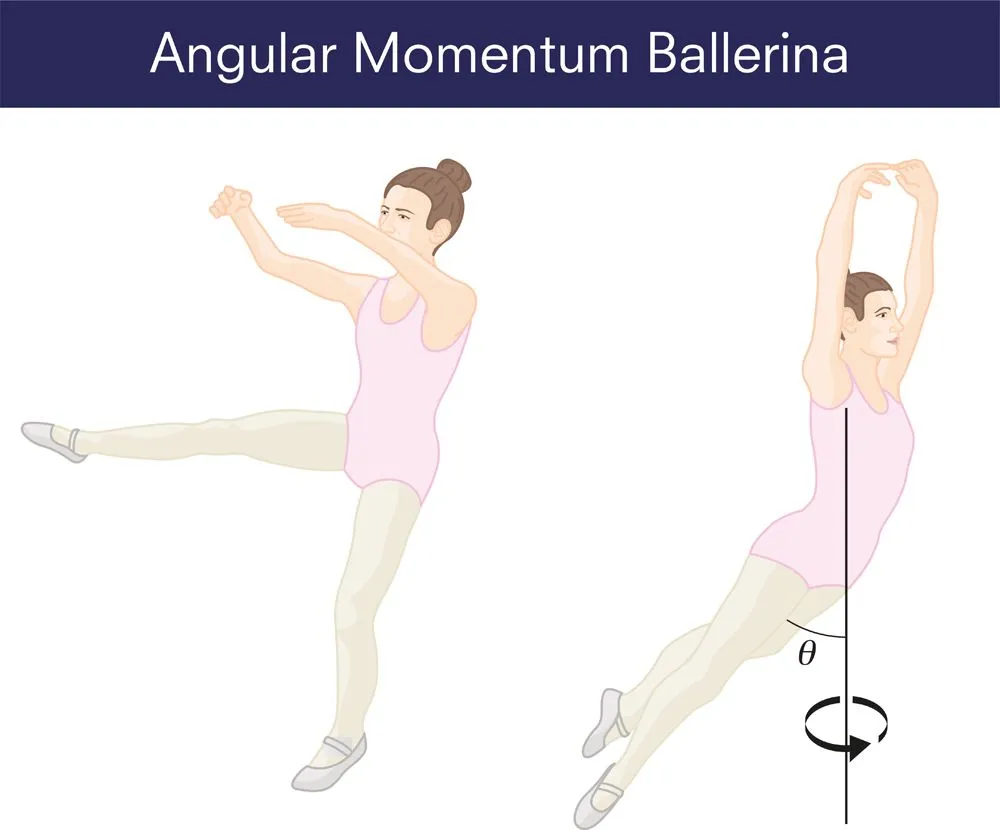
Imagine yourself spinning around with your hands stretched outwards. Now, rapidly bring them closer to your body.
What do you observe?
You will likely find yourself turning much faster than before. This phenomenon is referred to as the conservation of angular momentum. Angular momentum is present in every rotating object or particle. Thus, we can conclude that spinning particles similarly exhibit angular momentum. The spin value of the particle is unique, providing information about the angular momentum of that particle.
Inside An Atom
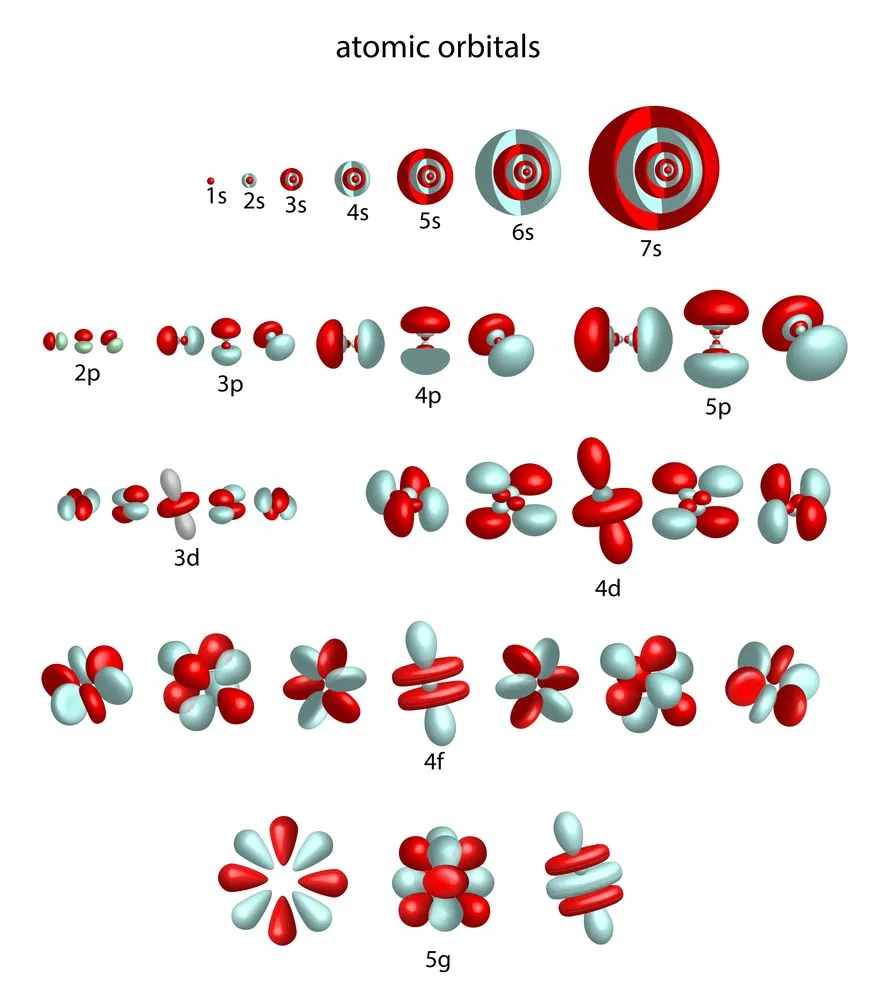
An atom has orbits, which is where electrons are found. Each orbit, in turn, has many orbitals within it.
One can imagine the orbits as roads/paths, while the orbitals are vehicles, and the electrons are people inside the vehicles. An electron is always found in these orbitals. Like the vehicles that move on the roads, the orbitals (vehicles) are aligned in the orbits.
The electrons inside the orbitals have a particular spin. They are often paired inside an orbital. If an electron is rotating clockwise, the other paired electron is rotating anti-clockwise. Thus, electrons have opposite spins that are denoted by ‘+’ and ‘-‘ signs.
This shows that spin has both a value and a direction.
Helicity
Helicity is the projection of a particle’s spin onto its direction of motion. Stated more formally, if S is the spin vector and p̂ is the unit vector in the direction of momentum, helicity is the eigenvalue of S·p̂ — a single number that tells you whether the particle’s spin is aligned with, or against, the way it’s travelling.
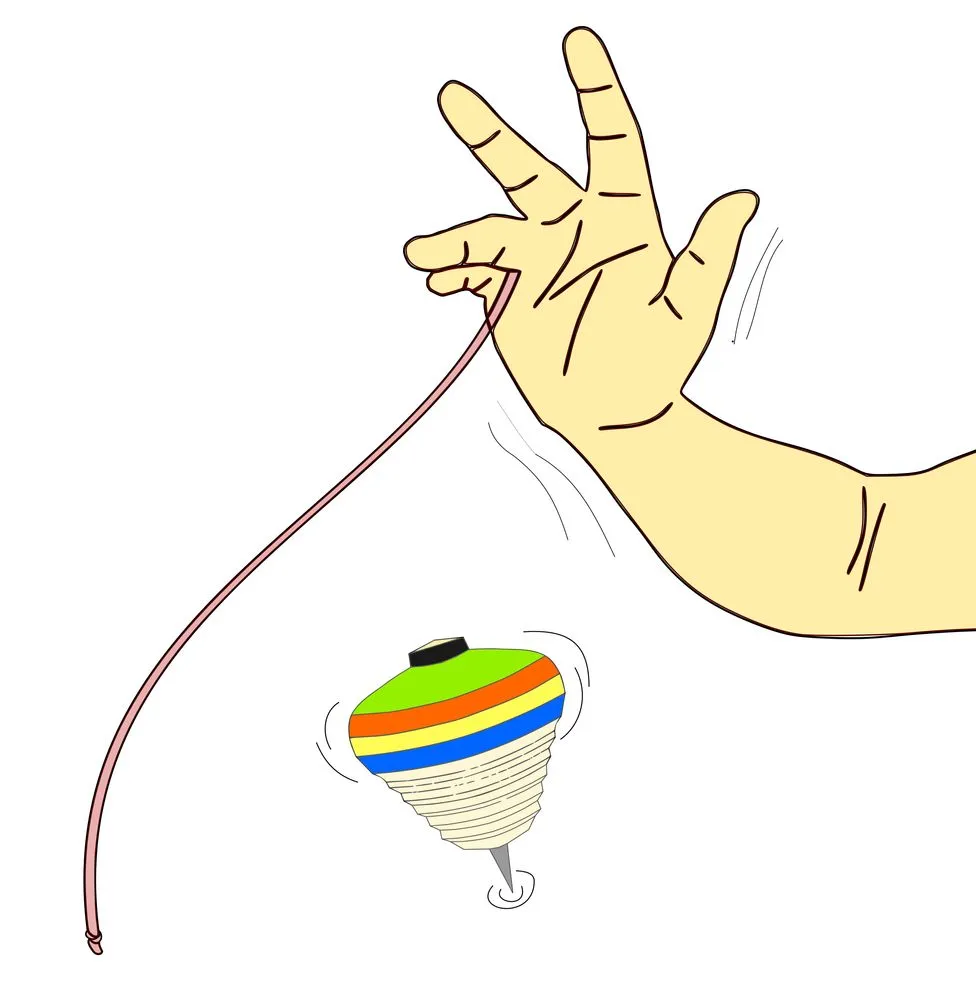
In a sky flier toy, the fan part is set to spinning motion as it separates from the main toy. Now, due to gravity, we observe that the spinning fan also moves downwards. In this moment, the toy has two kinds of motion. One is the rotational motion, which we see as it spins around its central axis. Another is linear motion due to the gravity of the earth. This is analogous to the helicity observed in particles.

A particle has spin (an intrinsic angular momentum) and linear momentum. Whether its spin lines up with its momentum or against it is what helicity captures, much as the sky-flier toy combines rotation about an axis with linear travel.
A heads-up: helicity does not mean the particle is physically tracing a helix in space — that’s a charged-particle-in-a-magnetic-field story. Helicity is a quantum-mechanical projection, not a literal helical trajectory.
DNA string. EPS10 file with reflections(Levente Naghi)S” class=”wp-image-39268″ height=”607″ src=”https://uploads.scienceabc.com/2020/12/Double-helix-vector-illustration-which-resembles-a-DNA-string.-EPS10-file-with-reflectionsLevente-NaghiS.webp” width=”809″/> Helix (Photo Credit : Levente Naghi/Shutterstock)
Left And Right Helicity
Helicity comes in two types: left helicity and right helicity.
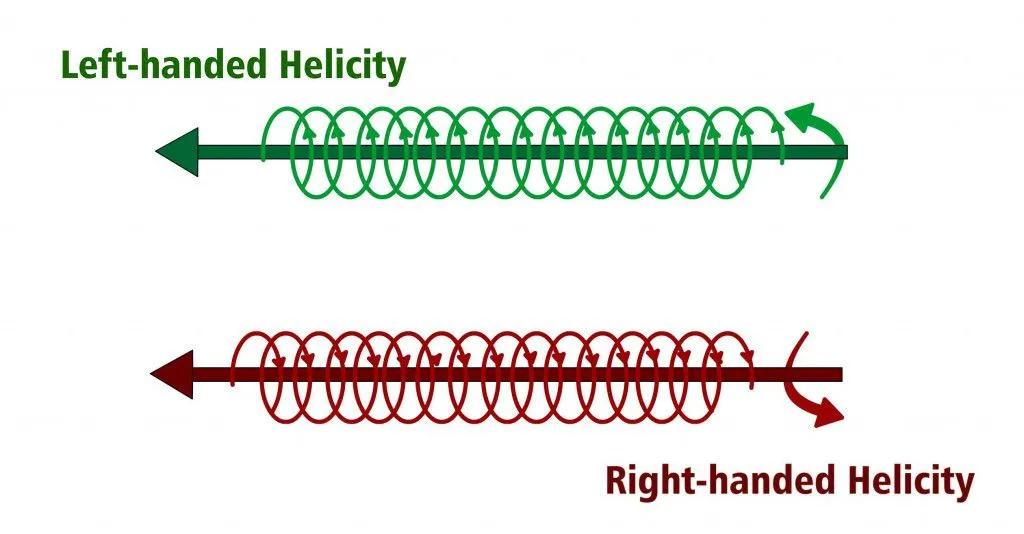
Left helicity is described by the left-hand thumb rule. It uses the left hand to show the direction of motion of the particle, while the curled four fingers of the left hand show the direction of the spin. The thumb points in the direction of the linear motion of the particle.
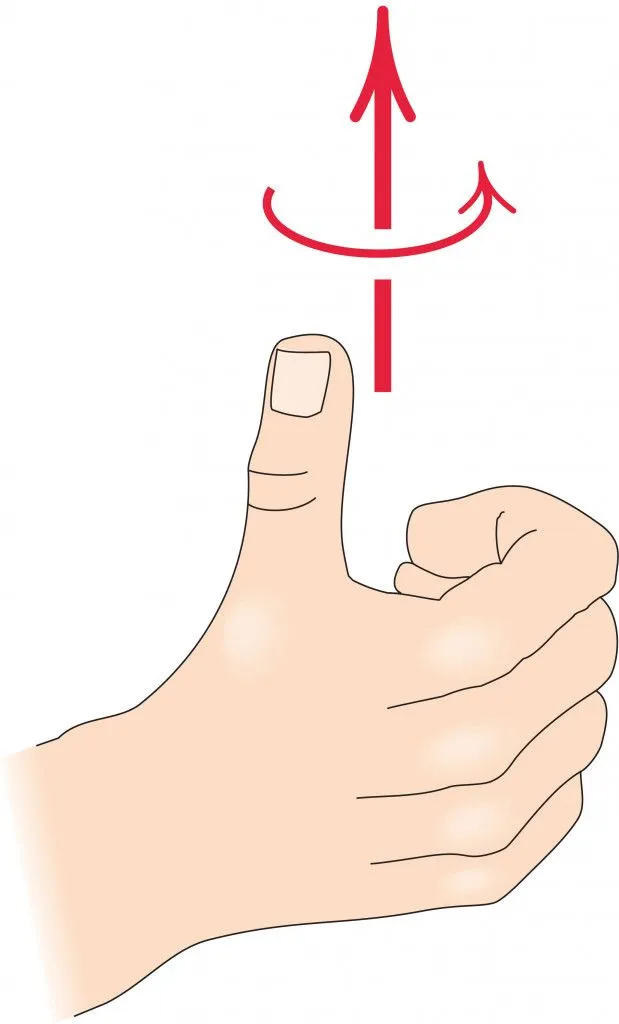
Likewise, right helicity is given by the right-hand thumb rule. The four fingers of the right-hand curl in the direction of the spin, while the thumb points in the direction of linear motion of that particle.
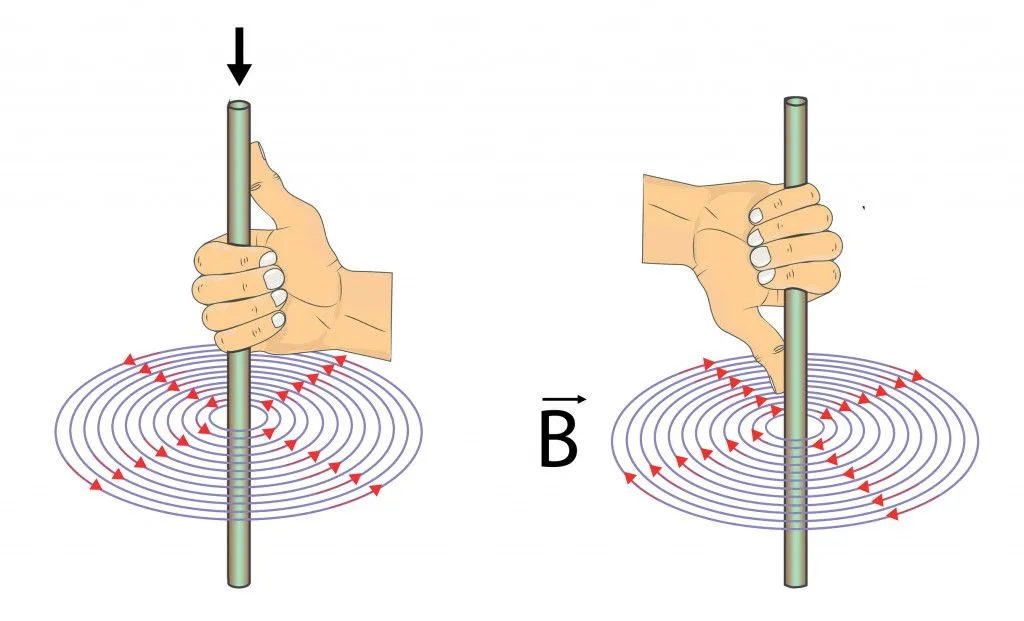
A particle is spinning along the clockwise direction, so the right-hand thumb rule shows that the direction of its linear motion is downwards. Therefore, the particle is in right helicity. If the direction of its linear motion changes to the upward direction, the helicity has changed to left helicity or left-handedness.
In some cases, helicity is constant with time, while in other cases, helicity varies. This variation helps us understand the behavioral patterns of the interacting particle.
Applications Of Helicity
Helicity gives us a lot of information about a particle. It has helped scientists understand the properties and nature of interacting particles, and it plays a key role in our understanding of antiparticles. One important subtlety: helicity is Lorentz-invariant only for massless particles (like photons or, in the Standard Model, neutrinos taken as massless). For massive particles, an observer can in principle move faster than the particle, overtake it, and see its momentum direction reversed — so the helicity actually flips sign depending on the frame. The famous Goldhaber-Grodzins-Sunyar experiment (Brookhaven, 1958) measured the helicity of the neutrino as left-handed (h = −1) by following electron capture in 152Eu — one of the foundational results confirming parity violation in the weak interaction.
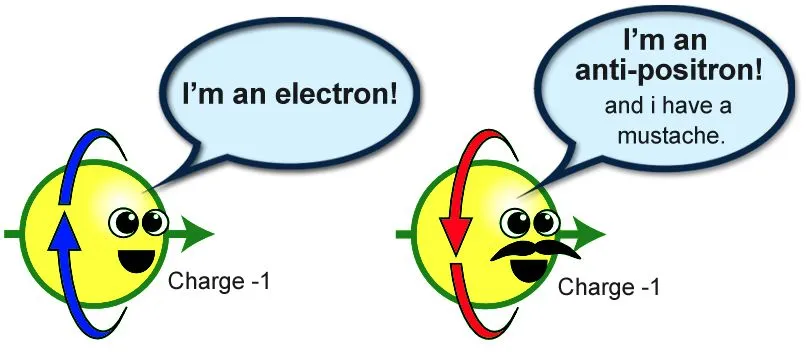
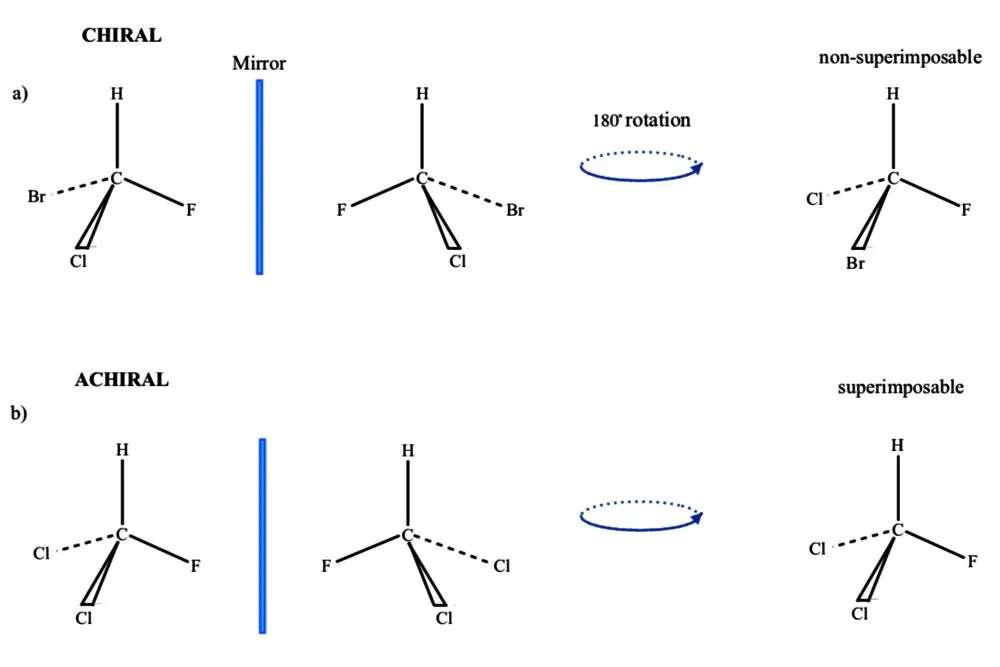
Helicity patterns help scientists better understand numerous physical and chemical observations in laboratories. Chemistry uses the closely related but distinct concept of chirality — the handedness of molecules — to study and design optically active compounds. Helicity (particle physics) and chirality (chemistry) coincide for massless particles like photons, but in general they are separate ideas.