Table of Contents (click to expand)
An ecotone is the transition zone where two ecosystems meet and blend — for example, the marshland between a river and dry land, the mangroves between sea and shore, or the treeline between forest and alpine meadow. The term was coined by ecologist Frederic E. Clements in 1905, from the Greek oikos ("home") and tonos ("tension"). Ecotones are famously rich in species, holding life from both adjacent ecosystems plus a few specialists found nowhere else — a phenomenon known as the edge effect.
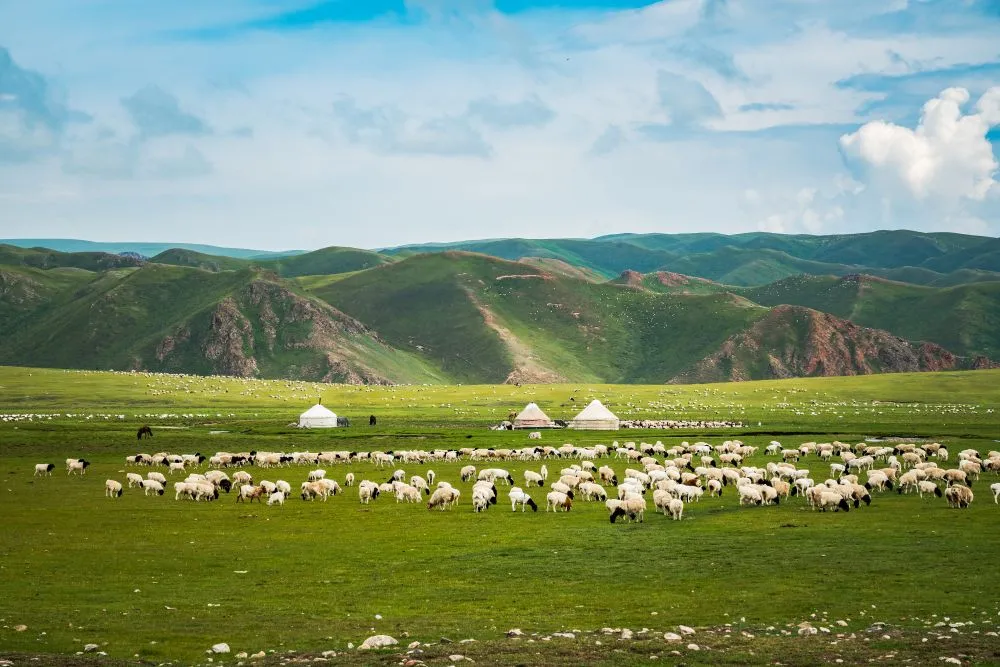
While traveling through the countryside, you have probably noticed small farms centered around isolated huts. Usually, the farmers stay here and take care of the land around their residence. A little farther behind them, the forest begins and spreads out massively with densely packed wild trees and a variety of animals who call it home. However, have you ever thought about these regions as some of the most exciting areas in terms of diversity? Well, you’re about to find out why!
Recommended Video for you:
What Is An Ecotone?
An ecotone is an area that represents the boundary between two ecosystems — a transition zone that is biologically distinct from either of the ecosystems it lies between. The word itself was coined in 1905 by American ecologist Frederic E. Clements, blending the Greek oikos (home or household) with tonos (tension), to capture the idea of two ecological communities pulling against each other at their shared edge. To make this concrete, picture a marshland sitting between a river and the dry land beyond it: the marsh is neither pure aquatic nor pure terrestrial, but its own intermediate world with characteristics drawn from both.
How Is An Ecotone Formed?
Before diving into this question, we must first understand what an ecosystem is. An ecosystem is an area where all living components interact with the non-living components to maintain their small bubble of life. The living components include plants and animals, while the non-living components include the soil, weather, sunlight, water, etc. For instance, if we were to consider the ocean as our area, then the ecosystem in question would be referred to as the marine ecosystem.
However, there are no sharp boundaries between most ecosystems. This means that there is a delicate zone where the blending of flora and fauna occurs. This region is the ecotone. These regions form due to a variety of different factors, such as climate, location, temperature, soil, and elevation. This is why ecotones are very common in mountain ranges, where slope, sunlight, and altitude shift continuously — the alpine treeline, where forest gives way to tundra, is a textbook example. Other classic ecotones include marshes (between water and land), mangroves (between sea and coast), estuaries (between freshwater and saltwater), savannas (between forest and grassland), and forest edges (between woodland and field). At a planetary scale, ecologists also recognize "biome ecotones" like the boreal-tundra boundary, which 2024–2025 satellite studies show is now shifting northward as the climate warms.
Why Are Ecotones So Special?
Ecotones, in simple terms, are transitional lands, which is why they provide such valuable insights and information regarding the evolution of the topography. Moreover, such a region is also very susceptible to climate- and human-induced changes. These changes result in modifications related to the biodiversity, structure, and functioning of the thriving flora and fauna.
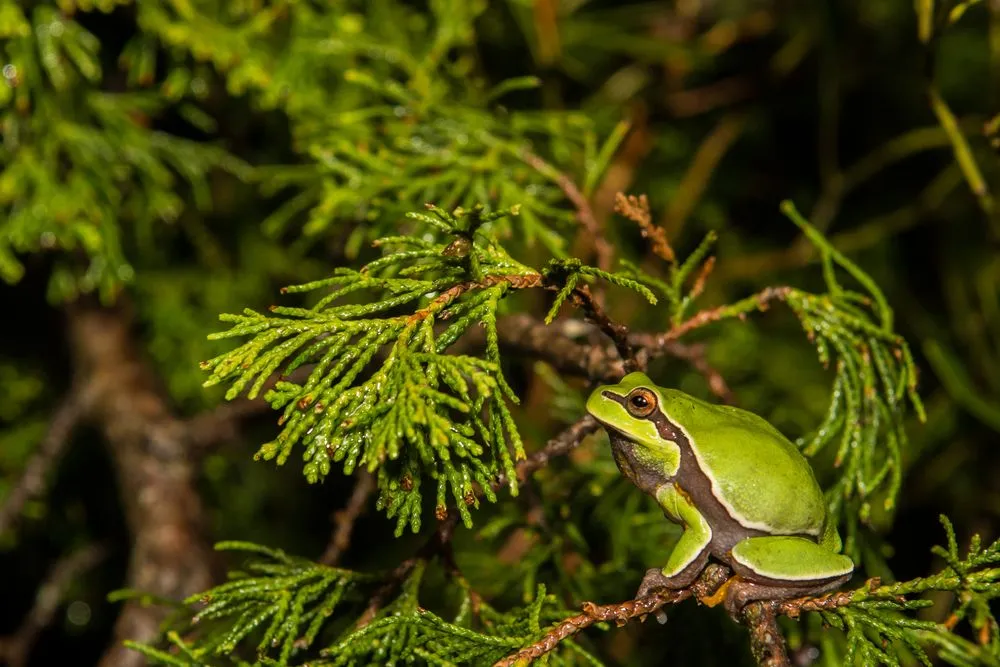
Not only this, but ecotones are also very special when it comes to species diversity. The transitioning region boasts species richness and elaborate biodiversity. This is because they contain animal and plant species from both the adjacent ecosystems. Moreover, in ecotones, certain other species that are specially adapted for living in this zone will also thrive. Such species are often not found in the adjacent ecosystems. Therefore, the variation produced in such areas contributes to increased biodiversity!
What Is The Edge Effect?
When we talk about global diplomacy, we inevitably quote Machiavelli. Similarly, when one talks about ecotones, discussing the “edge effect” is unavoidable. The literal meaning of the term “edge” is the outside limit of a surface or an area. In our context, the “edge effect” refers to the way species richness and population density tend to spike along the boundary between two adjacent ecosystems — an idea formalized by wildlife ecologist Aldo Leopold in his 1933 book Game Management, where he noted that the most game animals were always to be found where habitats meet.
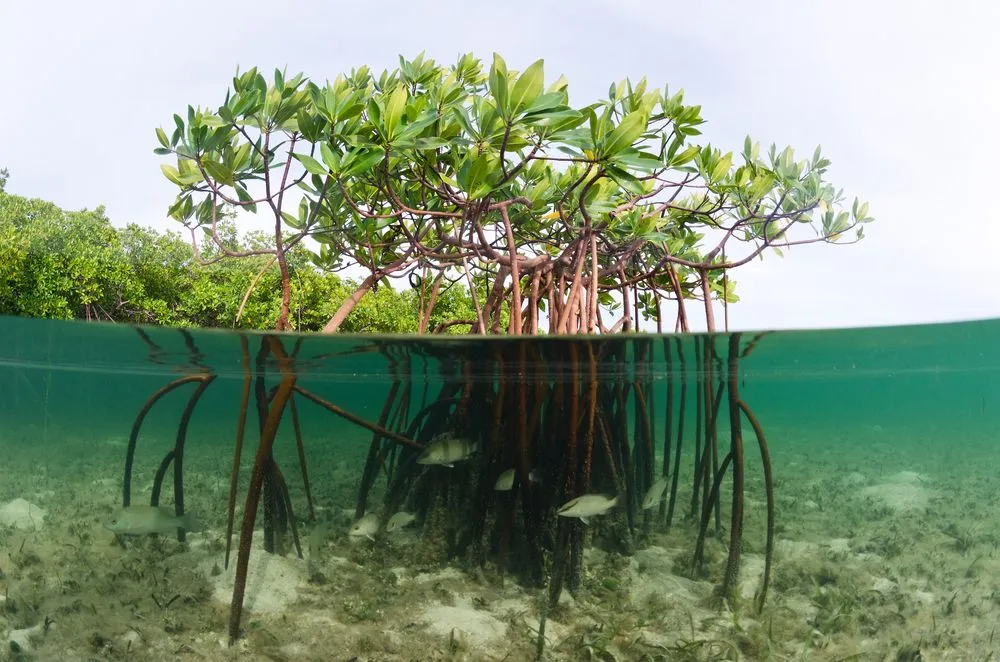
As mentioned above, an ecotone represents the transition region between two ecosystems. Therefore, we observe an increased population and diversity of plant and animal species here. This phenomenon is formally referred to as the edge effect. The influence caused by the contrasting characteristics of the two adjacent ecosystems causes such changes. The best example of the edge effect can be mangroves. Mangrove vegetation supports animal and plant species that are adapted to live both on land and water.
What Is The Significance Of Ecotones?
Ecotones are the biological analogs of buffer states. They act as buffer regions when catastrophic conditions strike and protect the adjacent ecosystem from any prospective dangers. For instance, if a tsunami hits a coast, it’s usually the mangrove vegetation that acts as the shock absorbers. It prevents a massive amount of danger from infiltrating the terrestrial region.
Moreover, ecotones act as biodiversity hotspots between two ecosystems. As such, this area is of high environmental and scientific importance. Because this region borders two well-defined ecosystems, it promotes gene flow from one community to another, thereby giving rise to interesting variations. As such, ecotones hold evolutionary significance for researchers!
The next time you hit the coast, don’t forget to make a note of the plants and animals thriving there. You will find fish only in the sea and beasts only on the land. However, in the center of these two lie the coasts, where you will find a few fish, several terrestrial animals, and some other unique creatures that can survive both on land and water. Thus, ecotones not only promote biodiversity, but also represent a region that is even richer than its neighbors!