Table of Contents (click to expand)
The Moon is called “the Moon” because it was the only known natural satellite for most of human history. The English word “moon” derives from Old English mōna, related to the Latin word mensis (month), since the Moon was used to measure the passing of months. It is also known by its Latin name Luna and its Greek name Selene.
Since the first human beings looked up into the night sky and noticed the bright, silvery orb overhead, people have been fascinated by the moon. In the past, it has been linked to birth rate, menstruation, the tidal movements of the planet, human behavior, sleep quality, and even law and order, and while some of those have been discounted as being affected by the moon, it still remains a powerful part of our collective global awareness. It also happens to be incredibly beautiful!
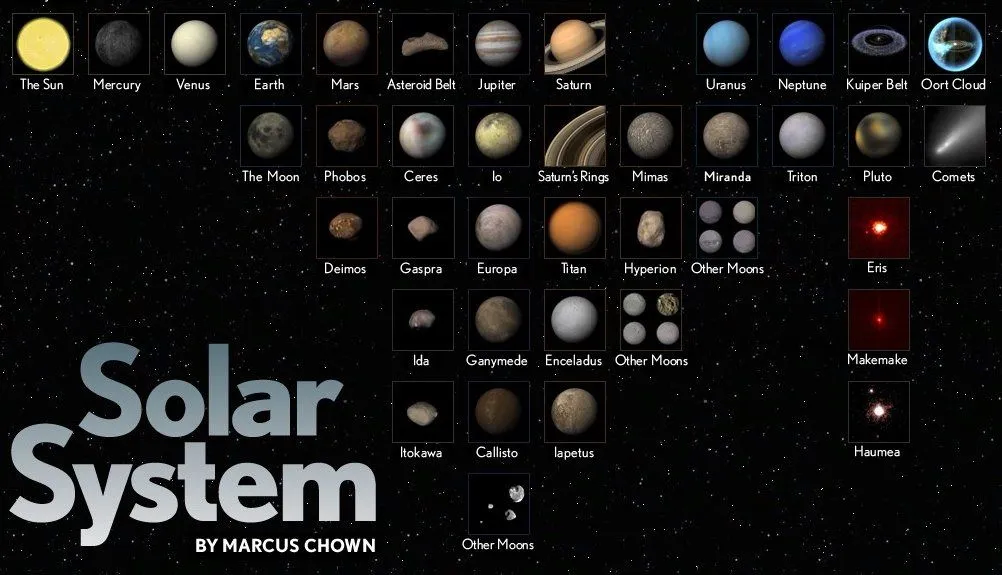
However, there are hundreds of other “moons” identified in our solar system alone, and all of them have different names – Io, Titan, Triton, Callisto, Europa, Mimas, and Phobos, just to name a few. If all those other planetary moons have cool names, why is the moon of Earth, the most famous of them all, simply called “the moon”?
Recommended Video for you:
First Come, First Named
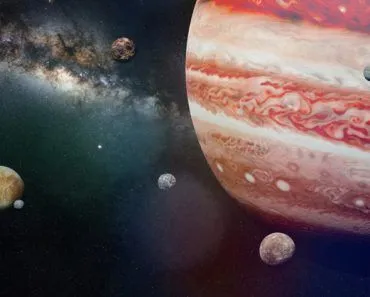
Although human beings have been aware of our planet’s Moon for thousands of years, it wasn’t until 1610 that Galileo Galilei discovered four moons orbiting Jupiter, proving that Earth was not unique in having a natural satellite. In that sense, our Moon only got that name because it was the first of such objects to be known. The English word “moon” derives from Old English mōna, related to the Latin mensis (month), since ancient people used the Moon to measure the passing of months. Since Galileo’s discovery, many large objects have been found orbiting other planets, and since they behave in the same way as our lunar companion, they too are called “moons”.
Furthermore, the name “the Moon” is only the English version of the word, and in fact, the Moon has been known by many names throughout human history, including Luna, perhaps its most famous name. Luna is the Latin name for our closest celestial neighbor, while the Greeks called it Selene. In Chinese, the Moon is called Yuè (月), while the Chinese moon goddess is Chang’e. The ancient Egyptian moon god was Khonsu, while Thoth, the god of wisdom and writing, also had strong lunar associations. The Moon has been called Tsukiyomi by the Japanese, Sin by the Mesopotamians, and Máni in Norse mythology.

Most of these primitive (and current) names for the moon are derived from gods and goddesses, because in the early millennia of human civilizations, the moon was highly present in origin stories, pagan traditions, and other polytheistic cultural ideas.
[adinserter block=”2″]
However, remnants of those older names for our planet’s moon are still a part of our language to this day. Have you ever considered the word “lunatic”? This has its origins in the belief that the moon could control human behavior, and even drive people mad in certain situations. Even selenology – the scientific study of Earth’s Moon – takes its name from Selene, the Greek name for the Moon.
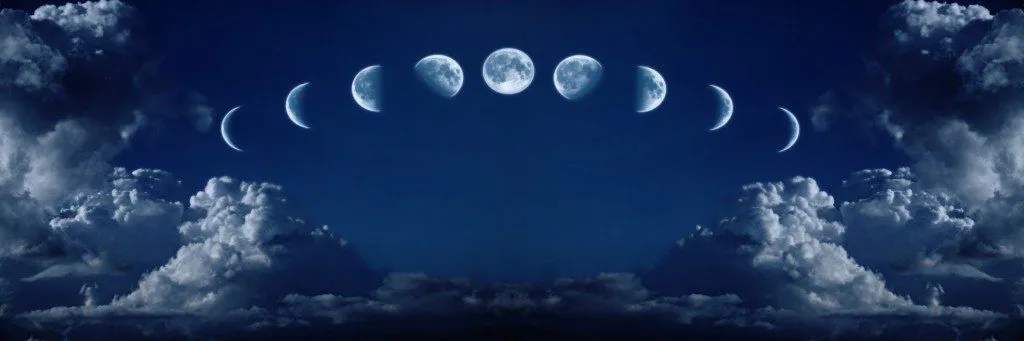
Therefore, next time someone questions you about why our Moon has such a boring name (or a lack of one entirely), you can calmly explain that our Moon simply set the precedent for others we hadn’t discovered yet. Furthermore, the Moon actually has many names in different languages, stretching all the way back to the very beginnings of human language!