Phosphorus is a non-renewable resource and we cannot manufacture more of it. At current production rates, USGS-listed phosphate rock reserves (~74 billion tons in 2025) cover roughly 300 years, but they are heavily concentrated in Morocco/Western Sahara (~68%). The bigger near-term risks are geopolitical concentration, declining ore quality, and rising prices — not absolute exhaustion — though peak production is still expected later this century. A massive new Norwegian deposit announced in 2023 could nearly double global reserves once mining begins later this decade.
Did you know that phosphorus is a non-renewable resource? There is only a finite amount of phosphorus on this planet, and once we use up this amount, it can’t be replaced.
However, phosphorus is a critical nutrient for agriculture and food security. Plants need three primary nutrients: Nitrogen, Phosphorus, and Potassium. Sustained food production requires a sustained supply of these key nutrients (along with some others).
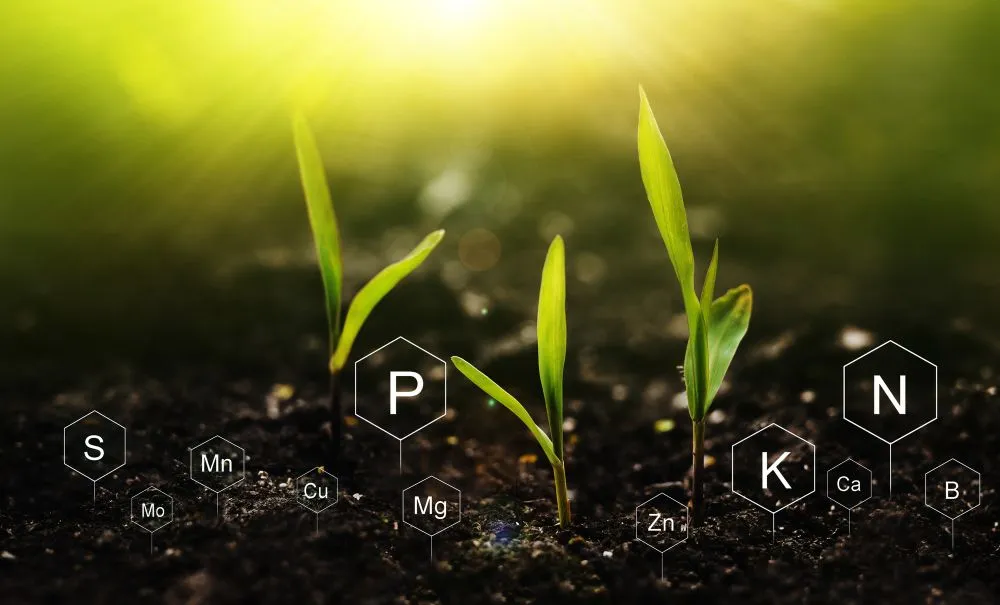
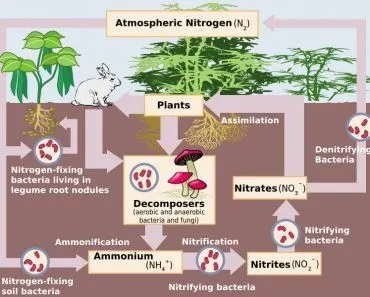
Nitrogen fertilizer is made from atmospheric nitrogen, of which there is an abundant supply. Potassium comes from potash reserves, of which there are finite amounts, but we still have quite a bit of it remaining. At current consumption, USGS-listed potash reserves represent roughly 100 years of supply, while total identified resources stretch into the thousands of years.
However, we are rapidly using up our limited supplies of phosphorus, as we continue to over-fertilize our fields, and we further lose that phosphorus through our sewage systems.
Securing a long-term supply of phosphorus is key to global food security. What will happen when we use up all the phosphorus on Earth? Are there ways to make our phosphorus supplies last longer?
Recommended Video for you:
Why Do Plants Need Phosphorus And How Do They Get It?
Phosphorus makes up some very important biomolecules. It is part of DNA, RNA, and the molecules that compose your cell membrane. It is also an essential part of respiration and energy transfer in all life, as it is part of the energy currency of the cell: ATP (adenosine triphosphate).
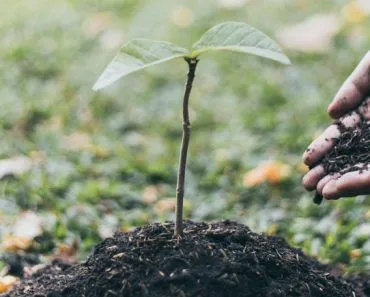
Plants need phosphorus to form new plant cells through cell division, meaning that plants need it to grow. Phosphorus deficiency leads to stunted growth and discolored leaves.
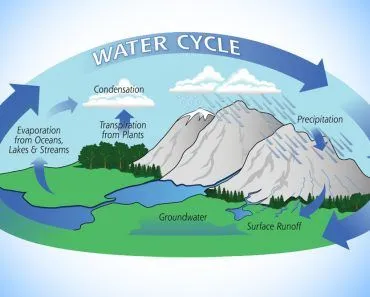
Plants get their phosphorus from the soil. The phosphorus returns back to the soil when the plant dies and decays. This is part of a natural cycle called the phosphorus cycle, which balances the phosphorus levels on Earth.
Now, when we grow crops, it’s a bit different.
Plants use phosphorus from the soil when we grow crops, but every time we harvest crops, the phosphorus that the plant had used and assimilated into itself is effectively removed. We transport those crops to consumers somewhere far away. This phosphorus that is removed from the soil needs to be replenished.
Consumers eat the food and the phosphorus is excreted from their bodies. At that point, the phosphorus enters the urban sewage system along with the excreta.
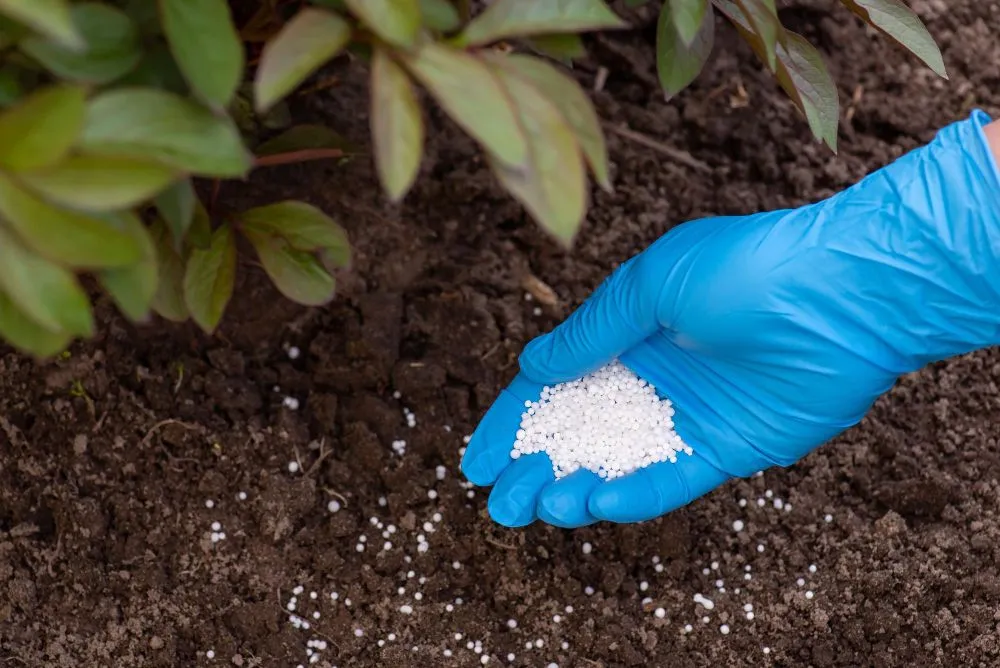
Traditionally, farmers used manure and human excreta to supplement the naturally available phosphorus in the soil. Fertilizers made from organic waste (human and industrial), animal excreta, slaughter house byproducts and related sources were also used. However, with increasing population, urbanization, and an ever-increasing demand for food, in the mid-19th century, farmers switched to mineral phosphorus fertilizers, which contain a higher concentration of phosphorus.
Globally, phosphate rock production hit 240 million tons in 2024 (USGS), which translates to roughly 65 million tons of P2O5, or about 28 million tons of elemental phosphorus.
Phosphorus Is A Non-Renewable Resource
Phosphorus cannot be synthesized in the lab. It comes from mineral phosphorite or rock phosphate. According to the USGS Mineral Commodity Summaries 2025, world phosphate rock reserves stand at roughly 74 billion tons (with total resources, including lower-grade or harder-to-extract ore, well above 300 billion tons), but these reserves are not evenly distributed. They are also not equally (and easily) accessible because of geopolitical tensions.
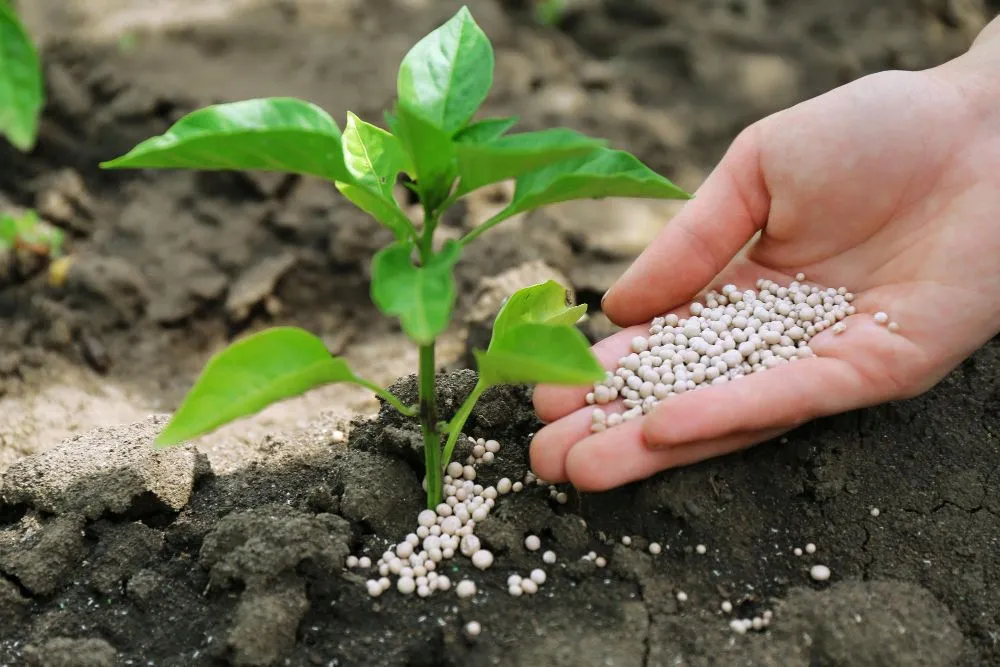
Phosphorus fertilizer is produced after mining phosphorite or rock phosphate, and then treating it with sulphuric acid or phosphoric acid. Crushed rock phosphate itself is also used as fertilizer, but the phosphorus in rock phosphate is very insoluble.
Morocco (with Western Sahara) holds the lion’s share — about 50 billion tons, or roughly 68% of global phosphorite reserves. Other countries with phosphorite reserves include China (~5%), Egypt (~3.8%), Algeria (~3%), Syria (~2.4%), and smaller holdings in Brazil, Saudi Arabia, Australia, Russia, South Africa, Jordan, the USA, Finland and Tunisia.
Although Morocco has the largest reserves, it is not the largest producer of phosphate — China is, mining around 110 million tons in 2024, and at that rate its 3.7-billion-ton reserve would be depleted in roughly 34 years. China has also limited the export of phosphorus to secure its domestic supply. The United States produced about 20 million tons in 2024 against 1.0 billion tons of reserves, giving it ~50 years of remaining domestic phosphate (an upward revision from the older "less than 30 years" estimate published in 2009).
Peak Phosphorus: What Is It?
The concept of peak phosphorus was popularised by Cordell, Drangert and White in a widely cited 2009 paper, which estimated the point at which the production of good-quality phosphate rock would peak. Their figure of 2033 was based on USGS reserves of about 16 billion tons; after Morocco’s 2010-2012 upward revision to ~50 billion tons, more recent estimates push the peak much further back — into the mid-to-late 21st century, or beyond — though the broader concern about quality decline and rising cost remains.
Beyond this point, the quality of phosphorus will decline, and the cost of producing more phosphorus will be greater than the profit. As a result, either the production will decline or the price will significantly increase.
90% of the rock phosphate that is mined is used for food production (human food and animal feed).
A widely repeated 2009 estimate suggested we would run out of phosphorus in 50-100 years. The current picture is somewhat less alarming: at 240 Mt/yr of phosphate rock against ~74 billion tons of reserves and ~300 billion tons of total resources, we have several centuries of supply in absolute terms. The real risks are nearer-term — geopolitical concentration in Morocco, depletion of high-grade ore, growing fertilizer demand from a rising global population and changing diets, and new pressure from lithium-iron-phosphate (LFP) batteries.
Is There A Solution?
We need phosphorus for food security. This means that we need to find a way to continue maintaining a steady supply of phosphorus in agricultural soil. The solution can be on the supply side or on the demand side.
On the supply side, exploration for more reserves, as well as innovations in how we mine phosphorus, may provide ways to extend this finite resource. One especially big development came in 2023, when the Norwegian company Norge Mining announced confirmation of a phosphate rock deposit at Bjerkreim-Sokndal estimated at up to 70 billion tons of ore — potentially enough to nearly double currently known global reserves. The Norwegian government has fast-tracked the permits, with first mining targeted for around 2028.
On the other hand, there is significant room for improvement on the demand side.
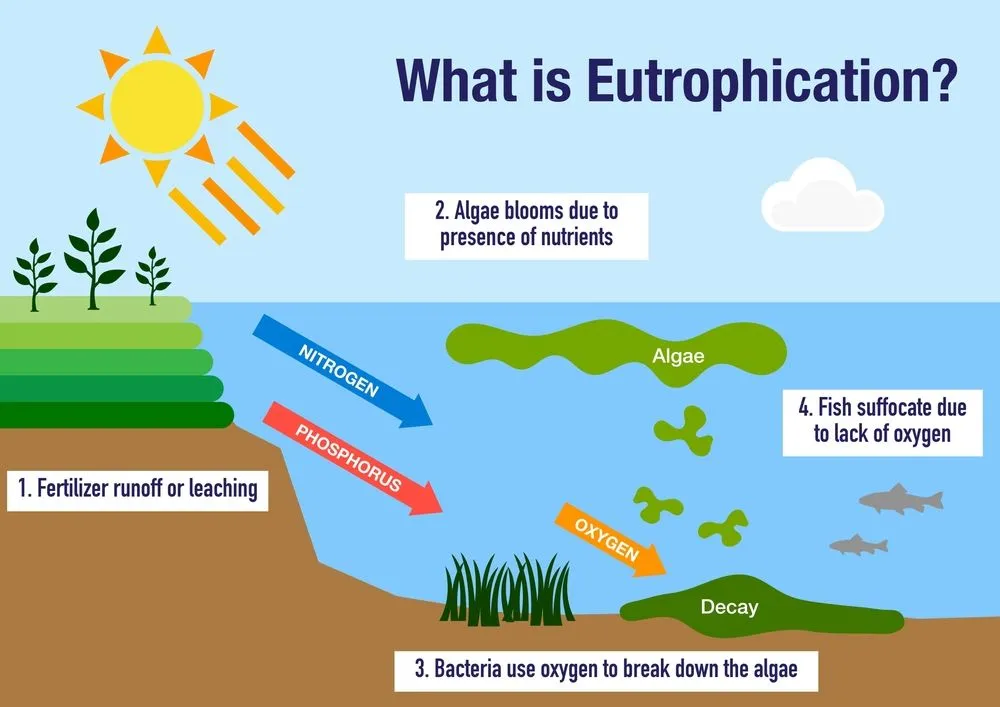
Currently, there is a huge problem with the over-use of fertilizer, which leads to a lot of waste. Only about 20% of the phosphorus we use in agriculture is actually utilized in food production. The rest is wasted through run-off water from fields and leads to the eutrophication of ground water systems.
Understanding the genetics of efficient phosphorus use by plants can lead to the development of crop varieties that use phosphorus more efficiently and will need less phosphorus fertilizer for optimum yield.
In addition, dietary choices also have an implication on how much phosphorus is used. A vegetarian diet uses significantly less phosphorus than a meat-based diet.
Recycling Phosphorus
At the same time, there are significant opportunities to recycle the phosphorus we use. Examples of recycling phosphorus include recovering phosphorus from manure and human excreta.
When farmers use manure, some of the phosphorus used up by the crops destined to become animal feed is returned to the soil. However, the supply for manure in regions with phosphorus-enriched soil is often high, and in areas with phosphorus-deficient soil, it is limited.
Humans excrete almost 100% of the phosphorus consumed in their food and the highest concentration of this phosphorus is in urine. Human excreta often ends up in urban sewage disposal systems and waterways. Currently, only 10% of human excreta is circulated back into the agricultural system. This is starting to change: more than forty phosphorus-recovery technologies are now commercialised (struvite precipitation from wastewater is the most mature), and the EU’s revised Urban Wastewater Treatment Directive (2024) requires nitrogen and phosphorus recovery at all large treatment plants by 2039. The EU has also kept phosphate rock and white phosphorus on its Critical Raw Materials list under the 2024 CRM Act.
Other ways to recycle phosphorus including plowing crop residues into the field, as well as composting waste from households, food-processing plants and food retailers.
Conclusion
There is no viable replacement for phosphorus fertilizer today.
Given the importance of phosphorus in ensuring food security, we need a more focused effort to reduce wastage, optimize use, and recycle phosphorus efficiently. Although small-scale trials for recovering phosphorus from waste and excreta exist, it will take many years to do this on a scale that is large enough to support global agricultural production.
References (click to expand)
- (2022, September 15). Approaching peak phosphorus. Nature Plants. Springer Science and Business Media LLC.
- Cordell, D., Drangert, J.-O., & White, S. (2009, May). The story of phosphorus: Global food security and food for thought. Global Environmental Change. Elsevier BV.
- Countries With the Largest Phosphate Reserves.
- Why phosphorus is important.
- Phosphorus Basics | Integrated Crop Management.