Table of Contents (click to expand)
The wriggling death observed when salt is poured on snails and slugs can be attributed to the process of osmosis. The rapid water loss leads to their death.
Snails And Slugs
The rainy season brings with it cool breezes, a blanket of grey clouds and plenty of unwelcome guests. I’m talking about monsoon pests, primarily snails and slugs! They (snails and slugs) are every gardener’s nightmare, creeping around the crops, munching on leaves and roots as they go. Even though they’re only tiny creatures, their ravenous appetites enable them to eat several times their own body weight every single day.
What Makes Salt Deadly?
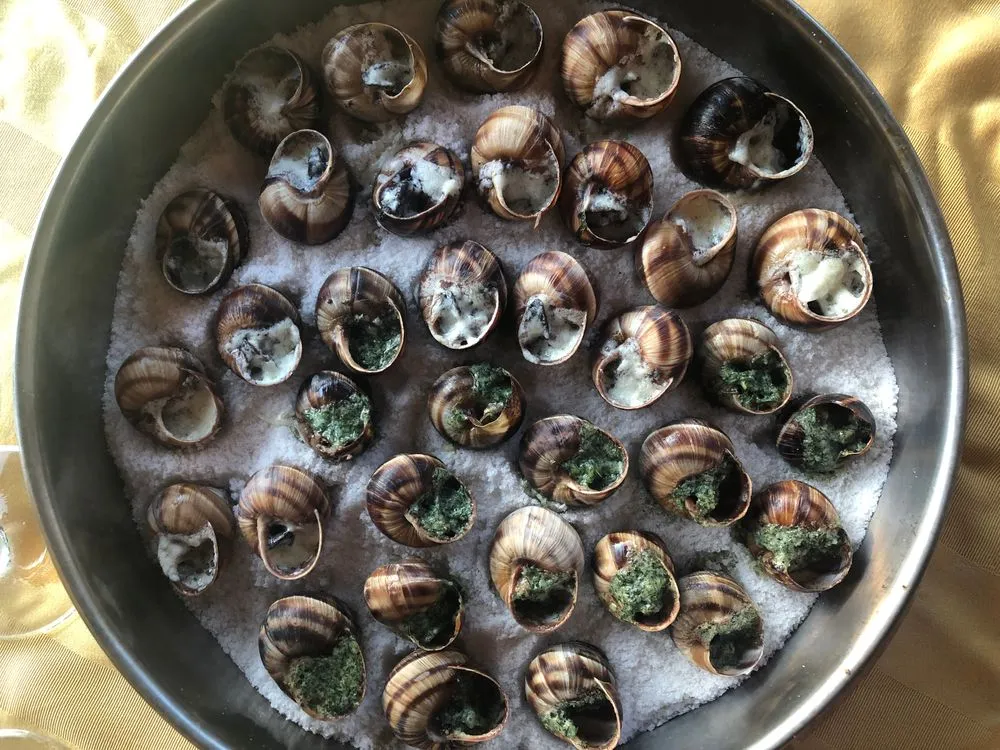
Animal cells are not composed of water alone. They also contain several ions, including Na+ and Cl-, which form common salt. When salt is sprinkled on a snail or slug, the crystals dissolve into the moisture on their skin and the surrounding mucus, creating a highly concentrated NaCl solution. Because the snail's body fluids are far less salty than this new outside layer, the cells now sit in what biologists call a hypertonic environment. Water rushes out of the cells through their semi-permeable membranes to try to dilute the salt outside, and the cells shrivel. The flow only stops when the solute concentration on both sides of the membrane is equal—long after enough water has been lost to be fatal. Marine snails and sea slugs avoid this fate because they are osmoconformers: the total solute concentration of their body fluids matches that of seawater, so there is no gradient to drive water out. Freshwater snails are not internally salty, however; they actively pump out excess water and would die just as quickly as a garden snail if dropped into a strong salt solution.
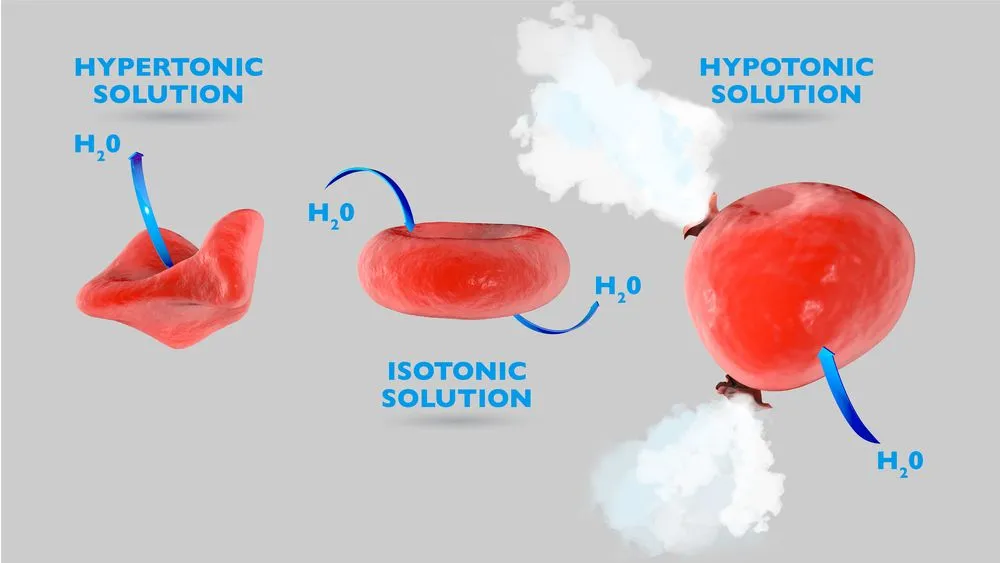
Coming back to the unfortunate land dwellers: water loss triggers a frantic production of slime as the snail tries to keep its skin from drying out, and the foaming or bubbling you see is air being driven out of the body as it shrivels. Enough salt is fatal within minutes. Whether the experience constitutes pain in the way humans understand it is harder to say than the article used to claim. Snails and slugs do have nociceptors, withdraw sharply from harmful stimuli and even respond to opioid analgesics, so the response is at minimum highly stressful. But the 2024 New York Declaration on Animal Consciousness lists cephalopod molluscs, decapod crustaceans and insects as having a "realistic possibility" of conscious experience—gastropods are not on that list. Either way, salting is an indiscriminate and slow way to kill them.
Nature’s Best Armor
Water makes up roughly 55-60% of the adult human body. Now, imagine losing half of that water in just a few minutes. Unlike snails and slugs, humans have a thick layer of skin that is highly advanced, acting as a great suit of armor provided by nature. The outer layer, the epidermis, maintains osmotic pressure and prevents excess water and heat loss. Snails and slugs have no such benefit—their skin is permeable and constantly leaks moisture, which is why a single careless pinch of salt is enough to kill them. If you have ever had the misfortune of getting salt on an open wound, you know firsthand a small taste of the torture experienced by these creepy crawlers. (The popular claim that this is the origin of the phrase 'to rub salt in the wound' is a folk etymology; the expression actually traces back to salt's much older use as a crude antiseptic on wounds and to the naval discipline of rubbing salt or brine into the lacerations left by a cat-o'-nine-tails flogging—snails have nothing to do with it.)
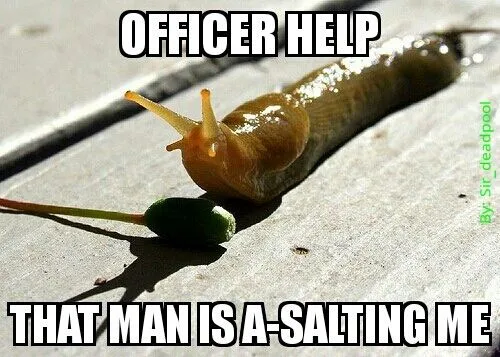
So, as organisms evolved, their skin also advanced biologically. Thanks to our skin, we don’t have to think twice before holding a handful of salt. Unfortunately, the ending is more gruesome and fatal in the case of gastropods like snails and slugs when it comes to the power of osmosis. Although every gardener wants to save their beloved plants from being munched on by these hungry pests, salt is not the most humane solution. A study published in BMC Ecology by scientists from the University of Natural Resources and Life Sciences, Vienna suggests that earthworms are a preferable solution to this problem.
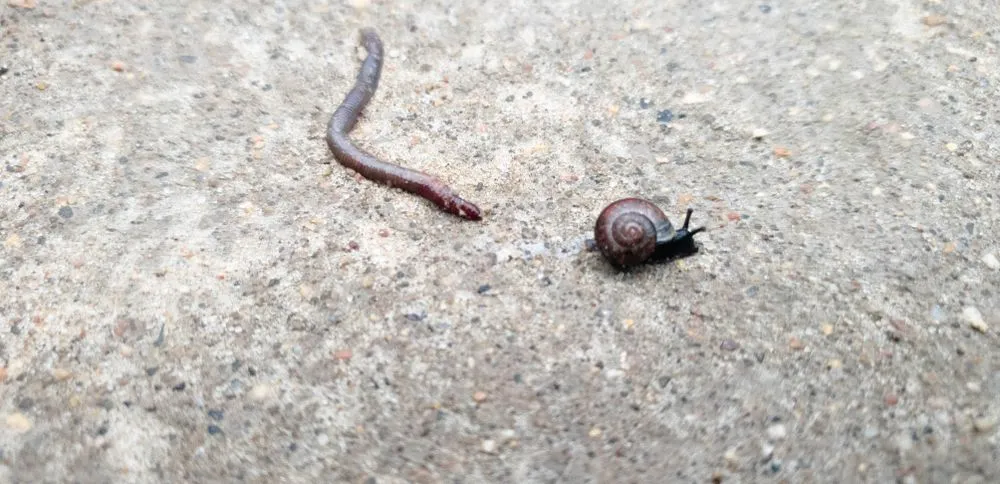
Earthworms go above and beyond to remind us that they truly are a gardener’s best friend. These burrowing creatures not only improve soil fertility, but also decrease slug-induced damage by a whopping 60%. The 18% increase in nitrogen in the soil helps the plants better protect themselves. Unable to gorge in peace, the snails and slugs migrate to ‘greener’ pastures.
If earthworms alone aren't enough, current pest-management guidance from UC IPM and the RHS recommends iron phosphate baits (sold as Sluggo, Slug Magic and similar), which are safe around pets, wildlife and earthworms; copper bands four to six inches wide around raised beds, which deliver a mild shock-like reaction with snail mucus; hand-picking after dark; and biological control with the parasitic nematode Phasmarhabditis hermaphrodita (Nemaslug). Beer traps, despite their popularity, only attract slugs from a few feet away and need constant refilling. Older metaldehyde-based pellets have been banned outright in the United Kingdom since 2022 because of their toxicity to pets, hedgehogs and birds, leaving iron phosphate and nematodes as the standard going forward.
References (click to expand)
- Why do snails bubble when salt gets on them? do they die? if .... The University of California, Santa Barbara
- Snails and Slugs Management Guidelines--UC IPM. ipm.ucanr.edu
- Earthworms in Your Garden May Help Prevent Invasive Slugs .... Smithsonian
- The Water in You: Water and the Human Body - USGS. The United States Geological Survey
- How does skin work? - InformedHealth.org - NCBI Bookshelf. The National Center for Biotechnology Information
- (2002, April). Contoversies in Experimental Dermatology. Experimental Dermatology. Wiley.
- Zaller, J. G., Parth, M., Szunyogh, I., Semmelrock, I., Sochurek, S., Pinheiro, M., … Drapela, T. (2013). Herbivory of an invasive slug is affected by earthworms and the composition of plant communities. BMC Ecology. Springer Science and Business Media LLC.