The Brothers Grimm’s Kinder- und Hausmärchen (1812) was framed as the literature of the German Volk — a shared body of language, custom, and history. By presenting tales like Snow White, Cinderella, and Hansel and Gretel as authentically German folk inheritance, the Grimms helped knit together a cultural identity for German-speakers still divided into dozens of states, feeding the 19th-century nationalist push that eventually produced a unified Germany under Bismarck.
Once upon a time in a land far, far away, where dragons roared, princesses ruled, and talking animals had a thing for cracking clever jokes, there existed a collection of enchanting stories known as Grimm’s Fairy Tales.
These stories, as dark as a moonless night sky and as bright as the hay-gold hair of an imprisoned princess, took readers on a delightful journey through enchanted forests, mysterious castles, and realms where imagination reigned supreme. However, they also managed, at the same time, to aid in the birth of a nation.

Recommended Video for you:
Who Were The Brothers Grimm?
The Brothers Grimm, Jacob Ludwig Carl Grimm (1785–1863) and Wilhelm Carl Grimm (1786–1859), were 19th-century German academics, linguists, and authors best known for their legendary collection of fairy tales — first published in 1812 as Kinder- und Hausmärchen (Children’s and Household Tales). Their most significant contribution to literature and folklore was their collection of fairy tales, which contained familiar stories, such as “Cinderella,” “Sleeping Beauty,” “Hansel and Gretel,” and “Snow White,” among many others.
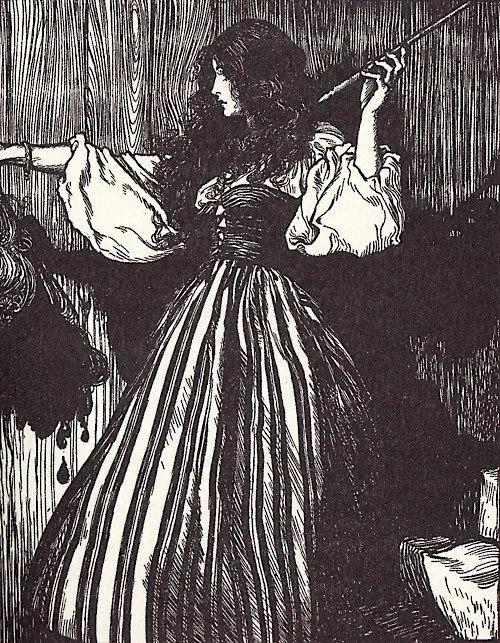
The Grimms’ collection was groundbreaking for its time, as it sought to preserve and document the oral tradition of German folk tales. Contrary to the popular image of two brothers roaming the countryside chatting up peasants, most of their tales actually came from educated middle-class acquaintances — the Hassenpflug sisters, the Wild family (Wilhelm later married Dorothea Wild), and Dorothea Viehmann, a tailor’s wife of French Huguenot descent — and from printed literary sources. The original 1812 edition was a scholarly philological project, not a children’s book; it carried academic prefaces and an appendix on sources, and contained material far too dark and bawdy for young readers. Only in later editions did Wilhelm progressively rewrite the tales to suit children. They also compiled works from other genres, including mythology, legends, and historical texts.
Why Did They Collect Fairy Tales?
The Brothers Grimm, shaped by their careers as state librarians and university professors (in Kassel, Göttingen, and later Berlin), had a broader purpose beyond simply preserving German folk tales and fostering national consciousness. They believed that the ruling monarchs should recognize and honor the cultural and ethnic uniqueness of the people they governed. Drawing on their extensive knowledge of Germanic grammar, law, mythology, and stories, they sought to awaken the nation’s cultural identity and simultaneously educate and engage with the ruling elite.
How Did The Idea German Nationalism Come To Be?
In the 19th century, Germany went through significant changes that led to the emergence of a unified nation. Before this time, Germany was composed of many separate states with their own rulers and unique identities.
However, German-speaking people began to feel a stronger connection through their shared language, culture, and history. The invasion and occupation of German territories by France caused the Germans to resist and yearn for self-rule. The defeat of Napoleon in the Battle of Leipzig in 1813 further ignited a sense of nationalism among them.
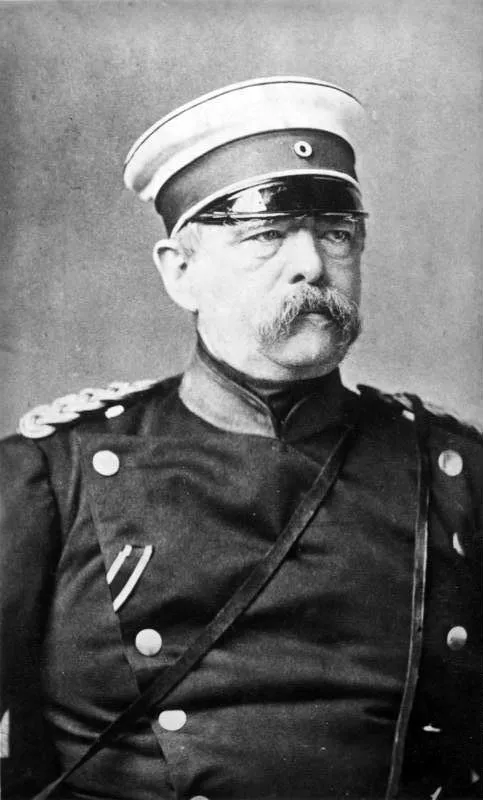
It wasn’t until the mid-19th century that a crucial move towards German nationhood was made. Otto von Bismarck, Minister-President of Prussia (and later the first Chancellor of the unified German Empire), cleverly orchestrated a series of wars and diplomatic moves that brought most German states together under Prussia’s leadership. The Franco-Prussian War of 1870–1871 sealed the deal: on 18 January 1871, the German Empire was proclaimed in the Hall of Mirrors at Versailles, with Wilhelm I as Kaiser at the “helm”.
How Did Fairy Tales Create A Sense Of Nationalism?
Fairy tales employ specific techniques to transport readers into enchanting worlds populated by familiar characters, vivid imagery, and thrilling problem-solving. While these stories often feature daunting challenges like abandonment, treachery, and peril, they ultimately impart valuable lessons about the power of collaboration, ingenuity, and justified action to overcome adversity.
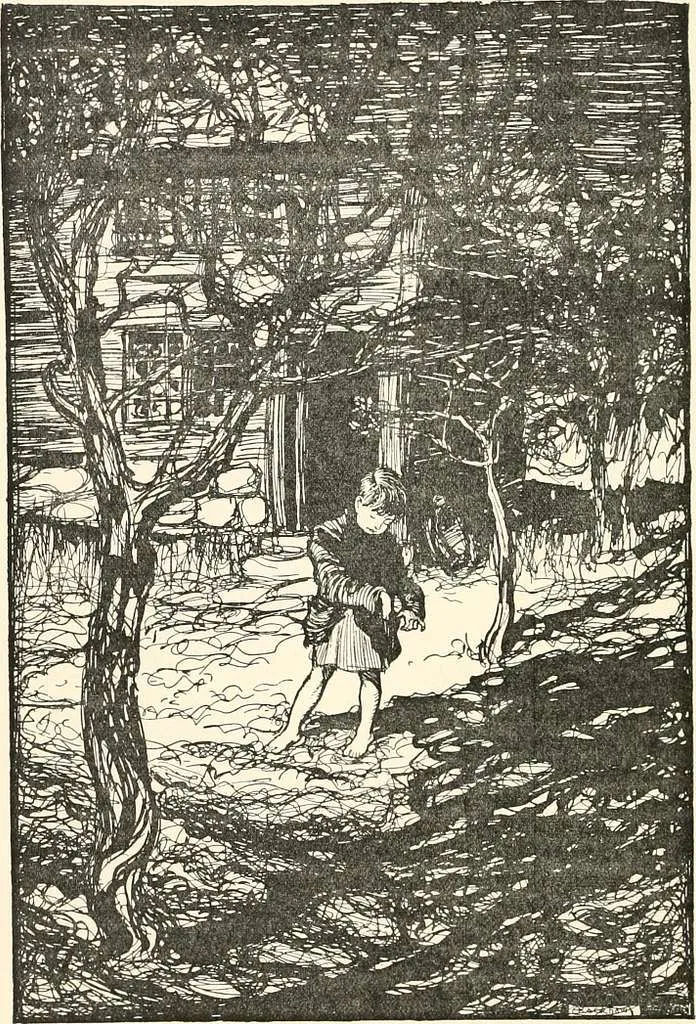
Fairy tales have long been utilized to promote nationalist ideals, highlighting how cultural norms and innate human tendencies can sometimes lead to unfathomable acts of cruelty—how one evil figure, an Other, can be vanquished by the heroes who represent the nation.
The Brothers Grimm, known for their support of nationalism, utilized fairy tales as vehicles to transport readers into realms where righteousness prevails over wickedness through intense confrontations. This era coincided with the rise of print culture and the integration of oral traditions within the popular consciousness through print, which paralleled the emergence of modern nationalism, seeking to preserve simpler folk customs while constructing an idealized national identity, or “volk”.
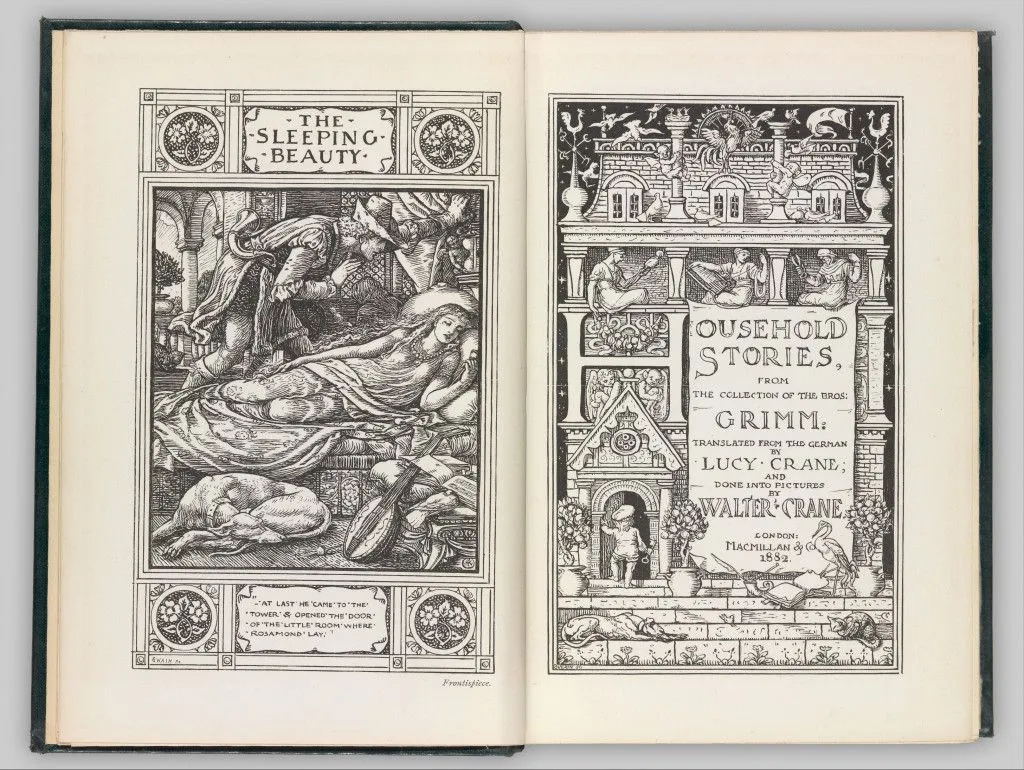
For the Grimm brothers, “volk” referred to the German people or the collective identity of the German folk. They viewed the volk as the embodiment of the national spirit, representing the cultural, linguistic, and historical heritage of the German people. Their nationalist campaign aimed to reinforce a sense of national pride and unity among the German people by showcasing the richness and uniqueness of their cultural expressions.
In their work, the Grimms emphasized the importance of the volk as the protagonist in the narrative of the modern nation. They saw the volk as a vital force that could counteract the disruptive influences of modernity, which was pulling the people’s traditional forms of bonding asunder, by embodying traditional folk values and customs.
Conclusion
People don’t automatically have a strong sense of national pride from the moment they’re born. It’s something that develops as they grow up and are influenced by their family, school, and the society in which they live. In Germany, as nationalism and the very idea of what a nation ought to be was growing, fairy tales became far more than just stories.
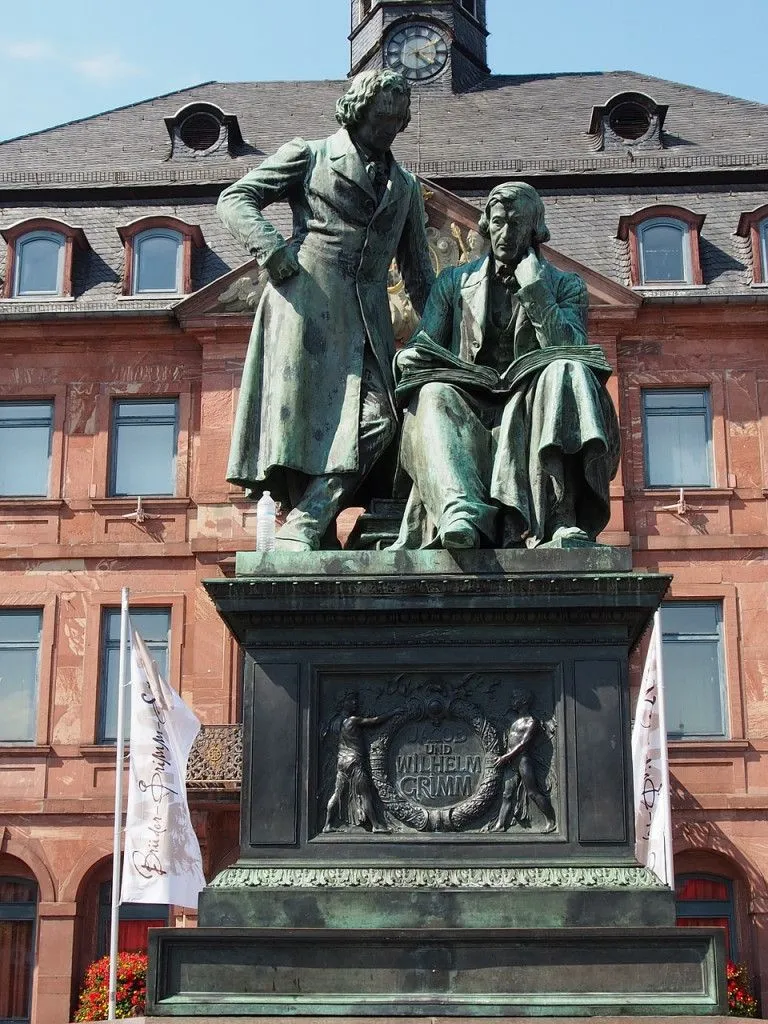
The Brothers Grimm believed that the fairy tales they collected came from German roots. They wanted to show the importance of German culture and heritage in these tales. They included elements like kings, princes, princesses, and magical creatures to make the stories authentic to the image of medieval Germany they were creating.
They did this because they felt proud of their country and wanted to inspire others to feel the same way. Whether they realized it or not, their goal was to celebrate German traditions and make people proud of their heritage through these fairy tales. Through this shared pride, they sought to create a sense of nationhood among Germans, who had until then been predominantly loyal to their local identities.
References (click to expand)
- S Harshbarger. (2013) Grimm and Grimmer: “Hansel and Gretel” and Fairy Tale ....
- Zipes, J. (1987, April). The Enchanted Forest of the Brothers Grimm: New Modes of Approaching the Grimms' Fairy Tales. The Germanic Review: Literature, Culture, Theory. Informa UK Limited.
- RB Bottigheimer. (1982) Tale Spinners: Submerged Voices in Grimms' Fairy Tales. JSTOR