Table of Contents (click to expand)
Nuclear reactors can run for long periods of time without human interference, but they are not designed to do so. In the event of a natural disaster or a power outage, backup systems would kick in to keep the reactor stable until the fuel runs dry. However, if the backup power is also compromised, the reactor would eventually heat up and either explode or melt through the reactor chamber.
“The unleashed power of the atom has changed everything save our modes of thinking, and we thus drift toward unparalleled catastrophes.”-Albert Einstein
On April 26, 1986, the world experienced what is still its worst civil nuclear disaster: the Chernobyl accident in what is now Ukraine. (Smaller-scale accidents had happened earlier—Three Mile Island in 1979, Windscale in 1957, Kyshtym in 1957—but Chernobyl was on a different scale entirely.) So bad was the disaster that the half-million Soviet soldiers were dispatched to help contain the radiation. Chernobyl, to its credit, was not a small nuclear power plant. It was one of the largest nuclear power plants of its time and had the best engineers working to maintain it. Even with engineers actively running the plant, Chernobyl’s reactor 4 went out of control and exploded within seconds of the failed safety test. How long would a nuclear reactor function properly before it failed if humans were removed from the equation?
Recommended Video for you:
Working Of A Nuclear Power Plant
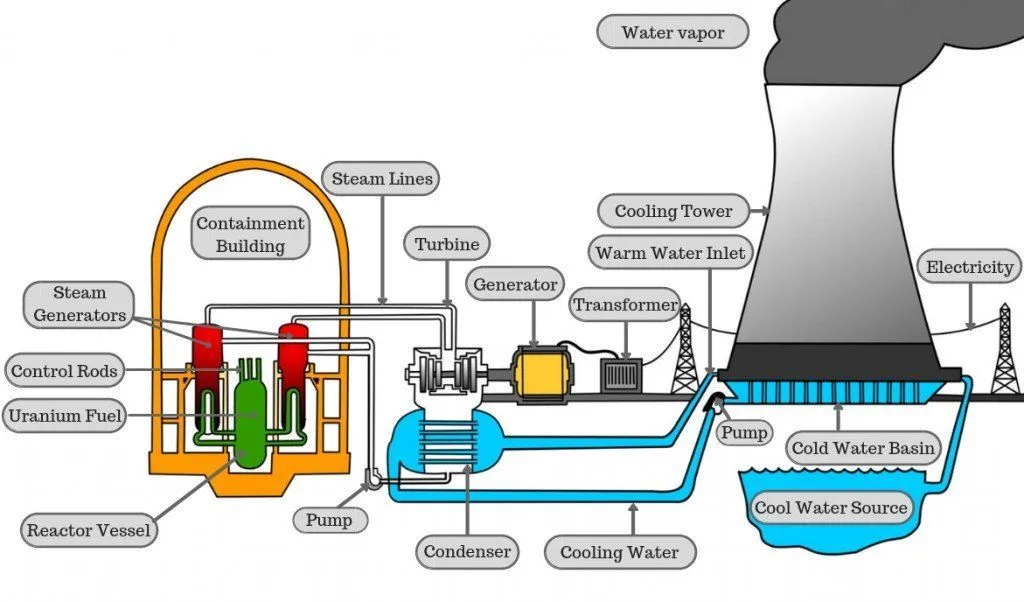
In our explanation, we will only be considering the working of a thermal nuclear reactor. Thermal nuclear reactors can broadly be classified into three main categories. The Containment Structure houses the main nuclear reactor and the steam generator. It is a building that is always made from reinforced concrete to ensure that radiation is always contained within the structure.
The Nuclear Reactor is where nuclear fission takes place. Nuclear fission is a nuclear process (not a chemical one)—the nuclei of heavy atoms such as uranium-235 split apart when struck by a neutron, releasing huge amounts of heat and more neutrons that sustain the chain reaction. This heat is transferred to water, which circulates within the reactor and carries heat to the steam generator. Even though the water in the reactor reaches well over 300°C, it does not boil. This is because it is held under very high pressure—about 155–160 bar, roughly 155 times atmospheric pressure—which keeps it as a liquid instead of letting it flash into steam.
The Steam Generator is responsible for taking away incoming heat from the nuclear reactor. The steam generator also contains water, but it must be remembered that water from the reactor and the water present within the steam generator never mix. This is because water from the nuclear reactor is radioactive and never leaves the nuclear reactor. Water in the steam generator is converted to steam, which is carried to the generators.
The Electrical Generators are responsible for the generation of electricity. This is possible when steam is brought in from the steam generator. Steam entering the generator comes in at very high speeds. This helps move the turbine of the generator, which converts the mechanical energy from the turbine into electricity. Once the steam passes through the turbine of the generator, it is sent to a condenser.
A Condenser is usually a system of metallic pipes that come into contact with the steam exiting a generator. Its duty is to cool the steam down, so it shifts back into the water; the cooled down water is then sent back to the steam generator. After cooling down the steam, the water in the condenser carries away the heat to the cooling tower. A Cooling Tower handles the cooling of the incoming water from the condenser. This is usually done with the help of large mechanical fans present within the tower. However, even with the fans, a certain amount of water will evaporate over time. Another property of the cooling tower is to provide a constant fresh supply of cool water, when needed, from the reservoir.
Learning From Man-Made Errors And Natural Disasters
To understand the magnitude of the disastrous effects of an unmanned nuclear reactor, let’s take a look back at history. Let’s take a look at the two biggest accidents of all time – Chernobyl and Fukushima.
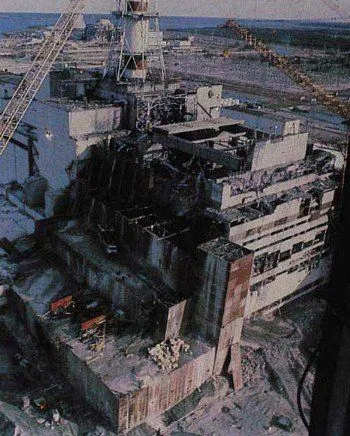
The Chernobyl Disaster spanned two days from April 25-26 in 1986. It is considered the biggest nuclear disaster of the former Soviet Union. It occurred in the small town of Pripyat, in modern-day Ukraine. The disaster occurred for two main reasons. The first one is that the higher officials had directed the engineers to switch off the safety systems before investigating a power blackout late one night. The second cause is that the reactor core had design flaws, and was arranged in a position, not in line with the safety checklist provided to the engineers. These two factors combined together led to uncontrolled nuclear fission, which resulted in the reactor’s core heating up and causing a catastrophic blast.
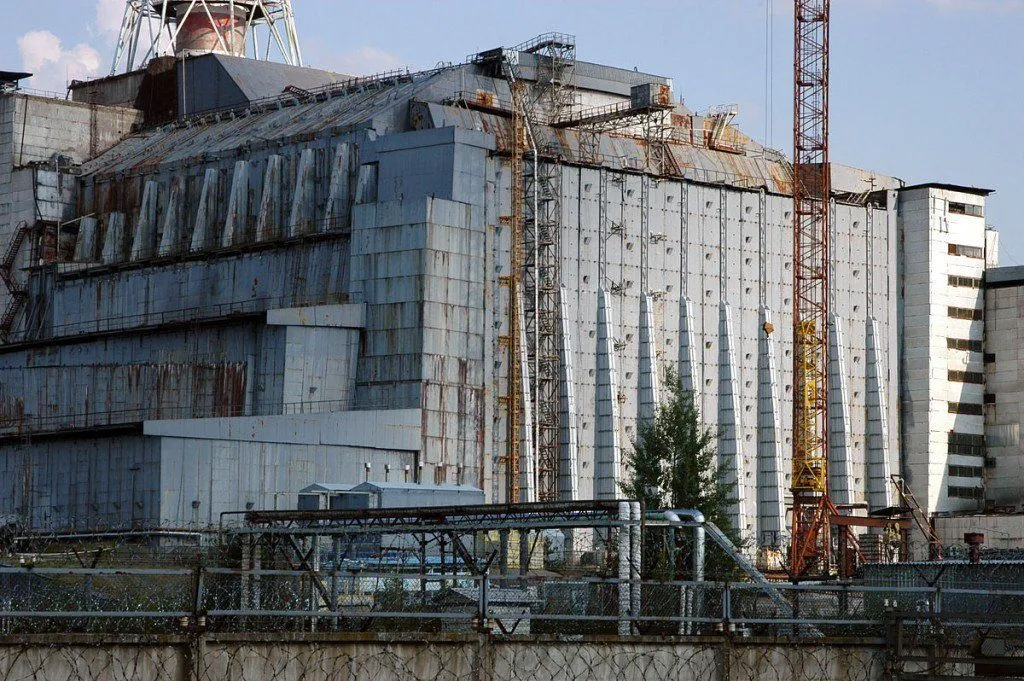
The blast and its effects were so deadly that the city of Pripyat was immediately evacuated. Irradiated dust from the blast spread as far as Sweden. To combat the effects of the radiation, the Soviet Union mobilised some 500,000 “liquidators” (military and civilian) to build the original concrete-and-steel “Sarcophagus”—a hastily built shelter with walls roughly 3–4 metres thick at its base—to contain the radiation. (A larger New Safe Confinement arch was slid over the failing sarcophagus in 2016.) If you think Chernobyl was bad, however, the Fukushima Disaster has actually been given a higher disaster impact rating by the World Nuclear Association.
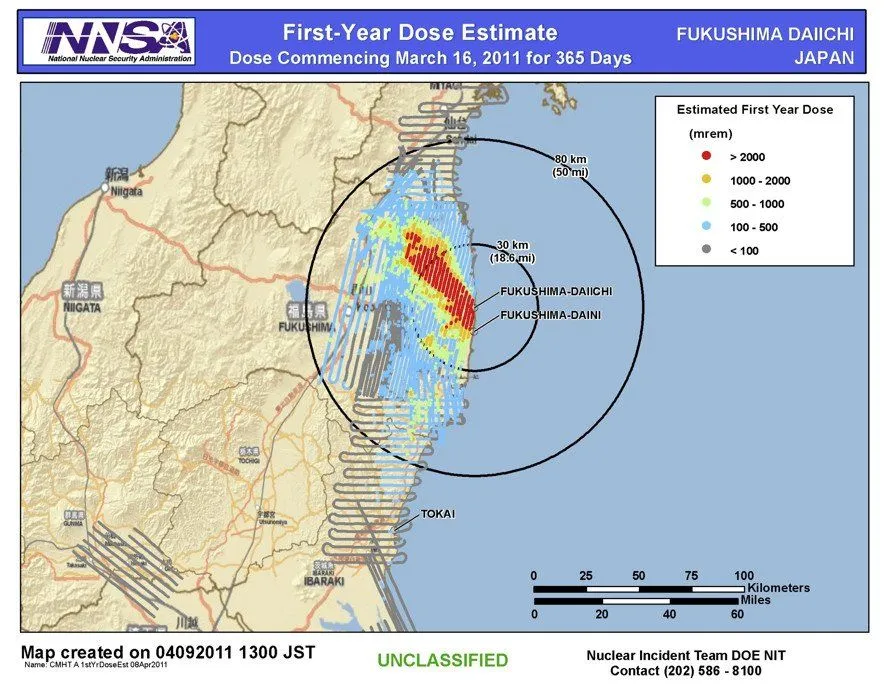
The Fukushima Daiichi Disaster is the full name for the disaster that occurred on the east coast of northern Japan, in the Fukushima prefecture. The accident began on March 11, 2011. A magnitude 9.0–9.1 undersea earthquake off the Pacific coast of Tōhoku—the most powerful earthquake ever recorded in Japan—triggered an enormous tsunami. The earthquake itself caused the external power lines to the plant to fail, but the reactor cores at Fukushima Daiichi automatically shut down (SCRAMmed) as designed, and backup diesel generators kicked in to keep cooling water circulating.
About 50 minutes after the earthquake, however, a tsunami roughly 13–14 metres high arrived—far higher than the plant’s 5.7-metre seawall was designed for—and overtopped the defences. Sea water flooded the basement rooms housing the backup diesel generators, knocking out almost all emergency power. With no way to remove decay heat, three of the six reactor cores melted down over the following days. Molten fuel and reactor materials (“corium”) breached the bottom of the pressure vessels and pooled in the primary containments at units 1, 2, and 3.
THE ANSWER…..
Now that we have a clearer understanding of man-made errors and natural disasters, let’s try constructing a modern-day scenario of what might happen to nuclear reactors without any human presence in the modern day.
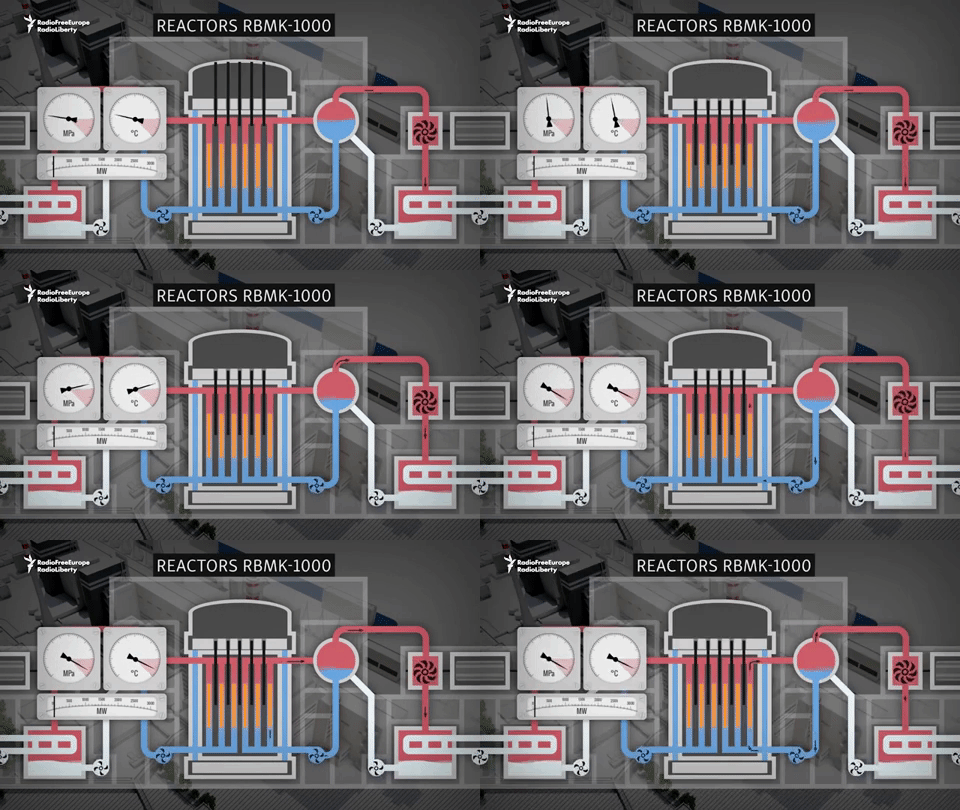
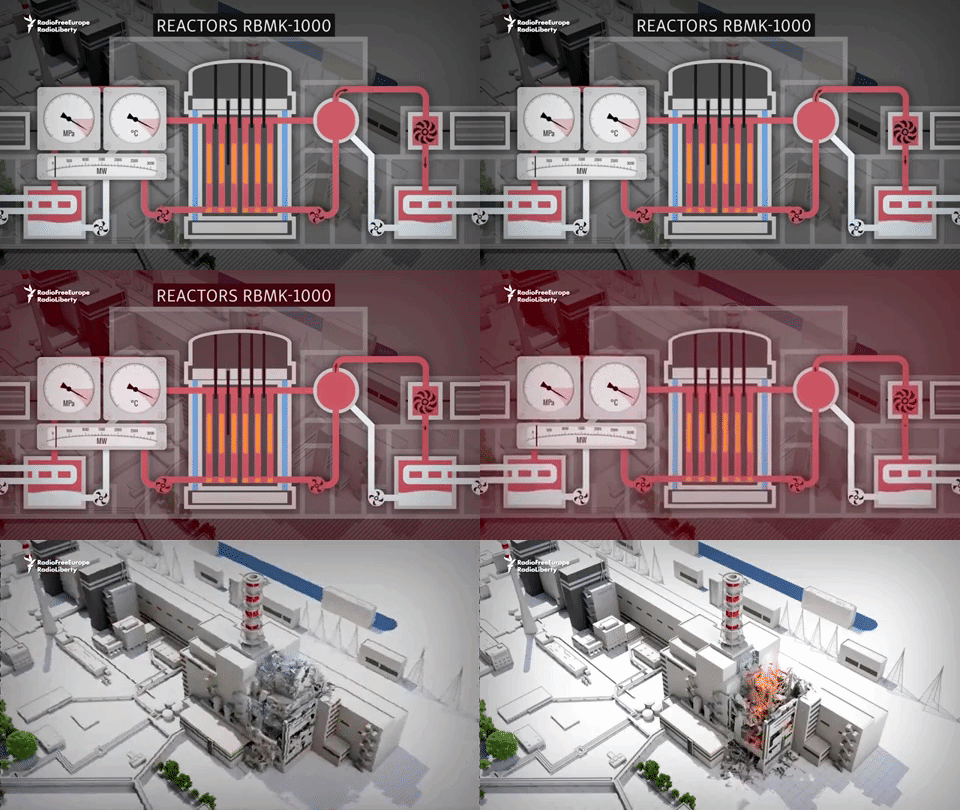
Today’s state-of-the-art control systems ensure that human error is held to a bare minimum. Even without humans, nuclear power plants have automated protocols like SCRAM, which can shut down the reactor completely. The control systems are updated to the point that, as long as mainline and backup power is present, it will keep the reactor in a stable state until the fuel runs dry.
However, in the case of natural disasters, the first thing that would happen is that the main power line would be shut down. If the backup power source is not compromised, then it would kick in as soon the main line fails. The cooling system remains online even if the main power line fails, due to the help of the back-up. Either the backup power runs out of juice or the backup power is also compromised (as in the case of Fukushima) due to a severe natural disaster. This would lead to the reactor core heating up, at which point two possible situations occur. Either the reactor design is weak, which leads to an explosion, like what happened at Chernobyl, or the fuel burns through the reactor and penetrates to the bedrock.
The amount of time an unmanned nuclear reactor would last given the above scenarios would be a week, This time frame has been concluded upon after studying the timeline of failure of Fukushima and Chernobyl.
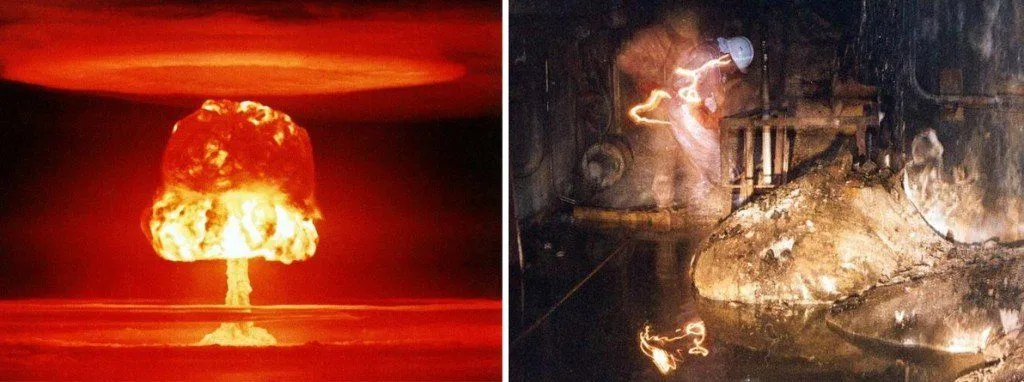
FUN FACT: Read about the elephant’s foot, the nuclear fuel deposit at the bottom of the Chernobyl plant!