Table of Contents (click to expand)
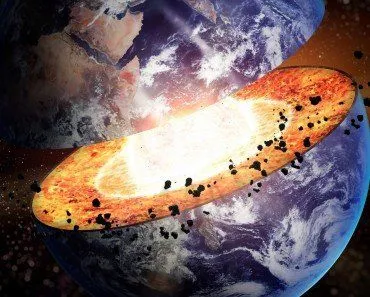
Scientists study earthquakes to learn about the Earth’s core. They also look at the density of the Earth to make assumptions about what the core is made of.
We have explored almost all of the land on Earth, and we have travelled deep into the great depths of the ocean. We have explored quite a bit of the sky, and have even landed on the moon. However, when it comes to digging through and going beneath our own surface, we haven’t achieved very much at all. The deepest we have gone under the Earth’s surface is a paltry 12.3 kilometers (about 7.6 miles). There is a superdeep borehole in Russia – the Kola Superdeep Borehole, drilled to a true vertical depth of 12,262 metres in 1989 – which is the deepest that humans have ever gone by digging through the Earth’s surface.
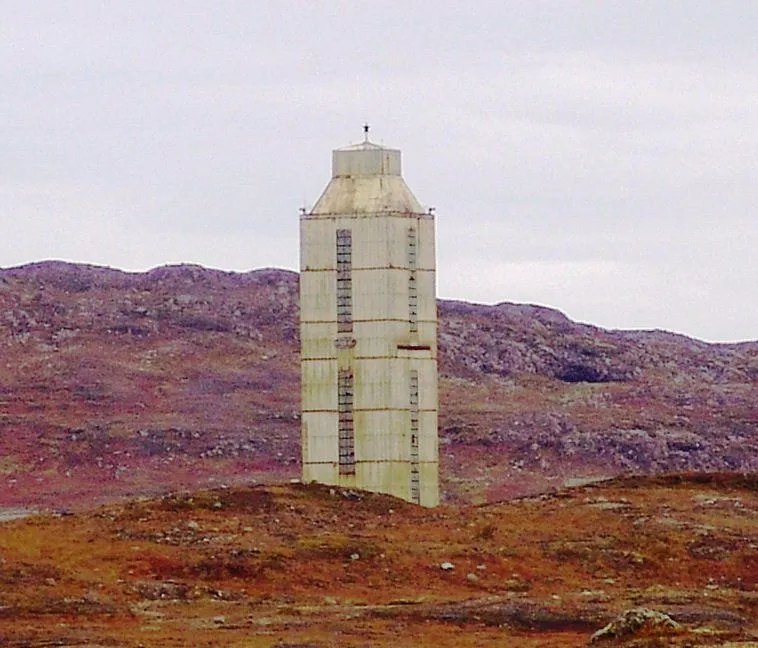
Although we have only gone about 7.6 miles underground, we still know a great deal about the metals present deep in the planet’s core. We also know that the core is insanely hot – with the inner core at temperatures near 5,400 °C (9,800 °F), comparable to the surface of the Sun – but how do we know all that?
Recommended Video for you:
We Don’t Know Much!
First off, let me tell you that we DO NOT know much about the core of our planet or its temperature conditions with absolute certainty, just like we don’t know the precise age of our planet, or our moon, or the sun, or the universe etc. All we can do is use our intelligence and devise reliable principles, then put them into practice with the help of technological tools. Finally, we come up with the best guesses, or at least the most educated guesses about these things.
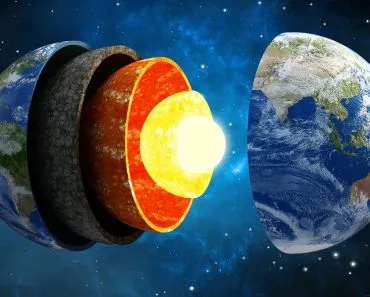
There’s a reason that geologists always say they think that Earth’s core is mainly composed of iron – with a solid inner core surrounded by a molten outer core – and that it’s very hot.
So, how do scientists and geologists make such educated guesses?
By Studying Earthquakes
That sounds a little absurd, I agree, but it’s true. One of the main ways through which we learn about our planet’s core and its deep secrets is by studying earthquakes – powerful shocks that jolt and run across the planet’s surface.
Imagine you have a rock in your hands and someone taps on it with a hammer while you’re holding it. You’d sense different things when the hammer taps on the far side of the rock, or when the hammer taps right next to your hands. You can keep a record of different sensations you felt when the hammer tapped at different places all over the rock while you held it.
You can try the same experiment with a bunch of other materials as well, like an inflated basketball, a bucket of water, a bottle of ketchup etc., to get an idea of how the vibrations feel when the hammer taps on different objects.
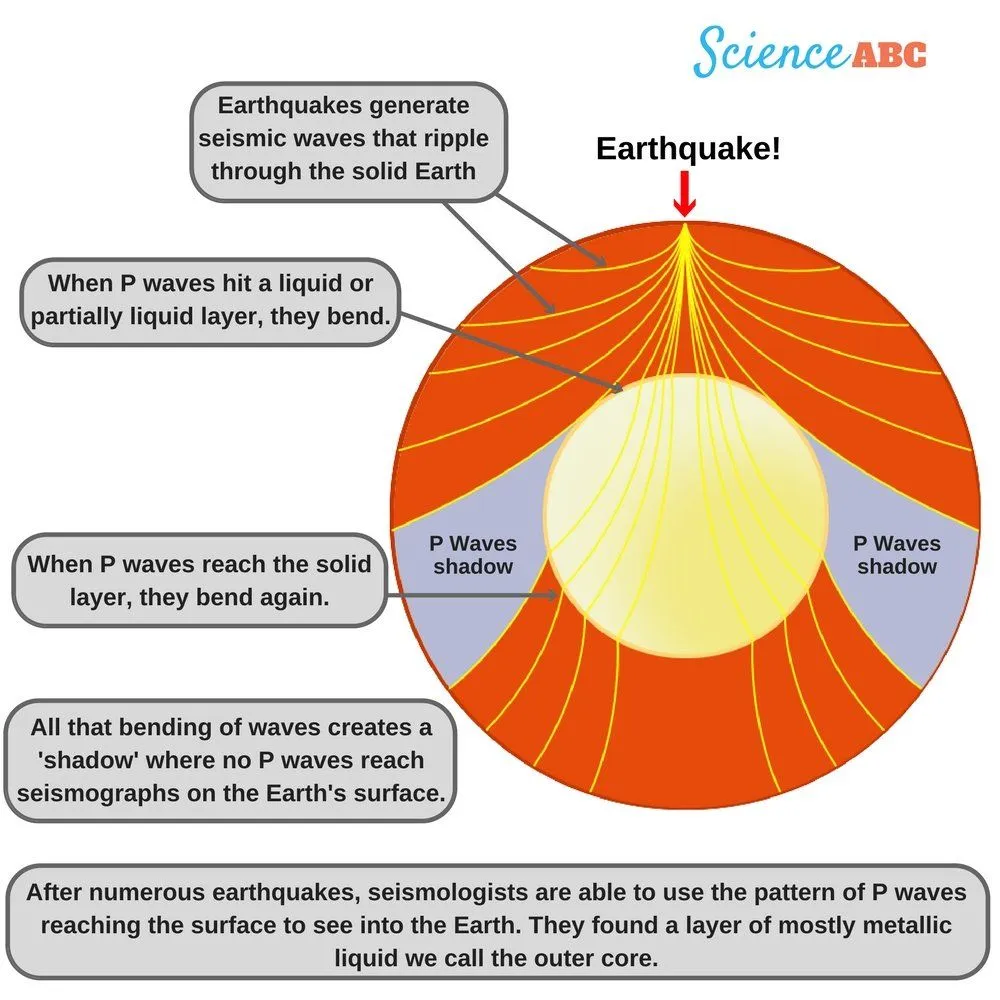
An earthquake works much the same way. It sends vibrations (seismic waves) through not only the surface, but also through the Earth’s interiors. These waves travel at different speeds, depending on what kind of material they’re traveling through. We have ‘listening posts’ installed all over the globe that basically ‘feel and record’ the vibrations as they pass.
Based on their data, scientists can deduce what materials the Earth’s interior possesses (by calculating how long it takes for these waves to reach the listening post from the earthquake’s point of origin). Now that we have readings for the speed of the seismic waves, we can match them up with materials with which we are familiar, and subsequently make the best guess about what the Earth’s interior is made of.
Earth’s Density
Another way we can make estimates regarding the composition of Earth’s interior regions is by recording and calculating how dense our planet is.
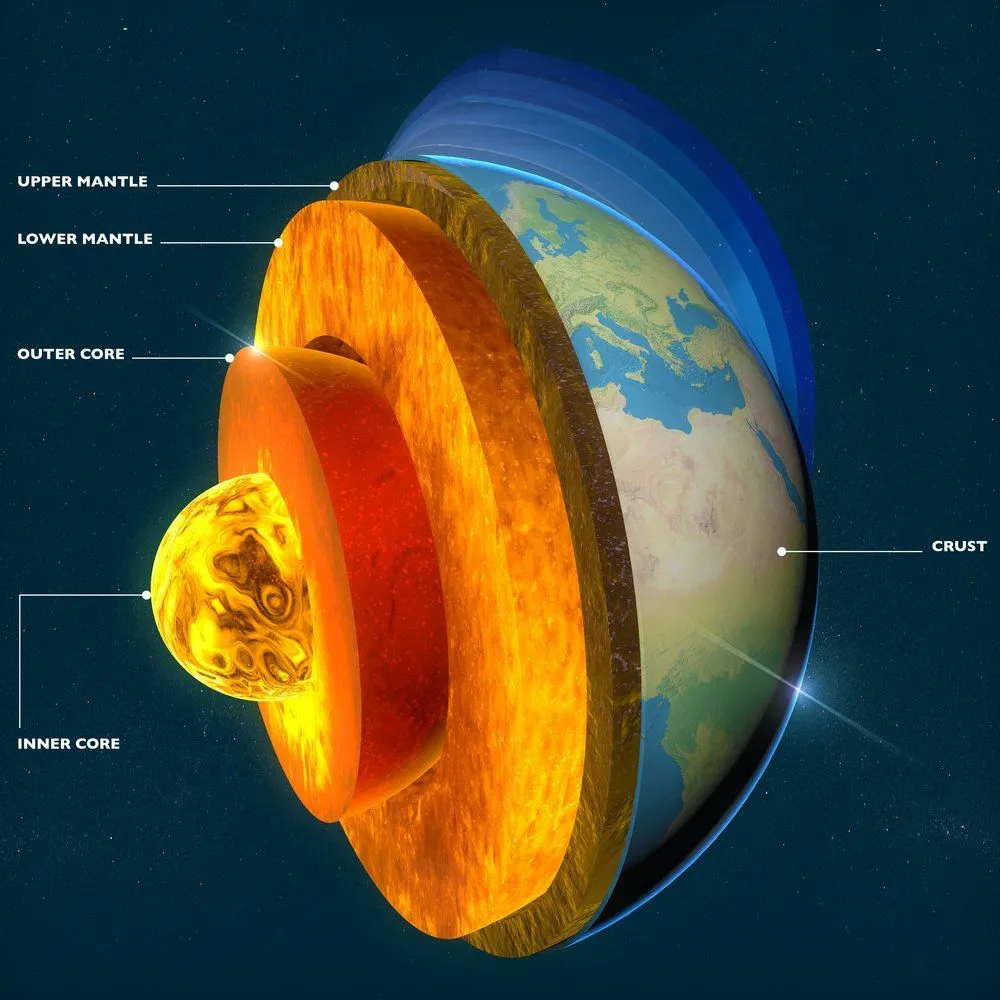
The average density of the planet is around 5.51 grams per cubic centimeter. (Source). We do know that rock’s density falls in the range of 3 grams per cubic centimeter. This leads us to assume that Earth’s core must be made of much denser stuff, for the average to come out to as 5.5. (Source)
In addition to that, we also know that heavy metals like iron, while having a density of about 7.87 grams per cubic centimeter at the surface, are squeezed to densities of 9.9 to 13 grams per cubic centimeter under the colossal pressures inside Earth’s core. That somewhat validates our assumption about iron being present in the center of the Earth. Furthermore, the speed of seismic waves through Earth’s center resembles the speeds you would get if you pass those waves through molten iron in the outer core, while the solid inner core slows them down in a different, characteristic way. Thus, based on the type of metals that have been abundant in the solar system, long before the birth of Earth, it’s fair to assume that Earth’s core would most likely consist of iron, nickel and similar metals – with around 5% nickel and roughly 10% lighter elements such as oxygen, silicon, sulfur and carbon mixed in to match the seismic data.
I don’t know about you, but I’m positively overwhelmed by the sheer intelligence of such methods that scientists use to make estimates about things and regions of planets that we could never see or experience ourselves. If you liked this article, you might want to check out this one too: How Do We Know The Big Bang Happened If No One Was There To See It?
What Have Scientists Recently Discovered About Earth’s Core?
Even though we cannot drill more than a few kilometres into the planet, modern seismology, mineral physics and computer simulations keep refining the picture of what lies beneath our feet:
- The inner core has slowed down. A 2024 study published in Nature by USC researchers confirmed that since around 2010 Earth’s solid inner core has been spinning slightly slower than the rest of the planet, reversing direction relative to the surface as part of an apparent ~70-year cycle.
- The inner core is changing shape. 2025 seismic analyses suggest the boundary of the inner core is not perfectly smooth – it appears to be deforming over decades, possibly due to interactions with the swirling molten outer core.
- It isn’t pure iron. The seismic-wave speeds inside the core do not quite match those of pure iron-nickel alloy. Recent experiments and ab-initio simulations indicate that the core also contains roughly 10% lighter elements – most likely a mix of oxygen, silicon, sulfur, hydrogen and carbon – which can even produce an onion-like layered structure.
So while the broad story – a hot, mostly-iron core with a solid centre and a molten shell – has held up for almost a century, the details are still actively being rewritten by new data.
References (click to expand)
- kola superdeep borehole: Topics by Science.gov. Science.gov
- Ganchin, Y. V., Smithson, S. B., Morozov, I. B., Smythe, D. K., Garipov, V. Z., Karaev, N. A., & Kristofferson, Y. (1998, March). Seismic studies around the Kola Superdeep Borehole, Russia. Tectonophysics. Elsevier BV.
- How do scientists known what the center of the earth is?. The University of California, Santa Barbara
- Density of the earth - jersey.uoregon.edu
- USC study confirms the rotation of Earth’s inner core has slowed (USC News, 2024).
- Hirose, K., Wood, B. & Vočadlo, L. (2021). Light elements in the Earth’s core. Nature Reviews Earth & Environment.